






What's Happening?
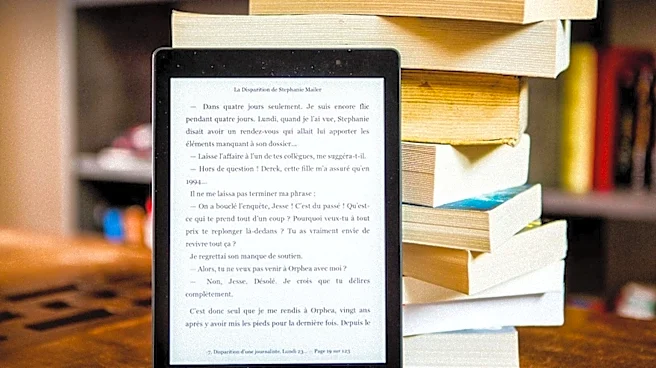
A developer known as unrealJune has successfully implemented Quick Share functionality on jailbroken Kindle devices. Quick Share, typically used for wireless file transfer between Android smartphones, now allows users to send files to their modified Kindles.
This implementation requires a jailbroken Kindle running the Kindle Unified Application Launcher and KOReader, along with SSH access and a machine equipped with Go and Docker for building the project. The current iteration of the Quick Share plugin for KOReader is receive-only, meaning files can be sent to the Kindle but not from it. Additionally, the Kindle automatically accepts incoming files, and it can function as its own access point (AP) if no network is available, offering a convenient way to transfer files wirelessly.
Why It's Important?
This development is significant for Kindle users who frequently transfer files to their e-readers, offering a streamlined and wireless alternative to traditional methods. It enhances the utility of jailbroken Kindles by integrating a popular file-sharing protocol, making the devices more versatile and user-friendly. For the open-source community, it represents a notable achievement in extending the capabilities of existing hardware through custom software development. This project highlights the ongoing efforts to improve inter-device sharing, an area that often presents challenges across different platforms. By enabling Quick Share on Kindles, it addresses a common pain point for users who desire seamless content transfer, potentially increasing the appeal of jailbroken devices for a niche but dedicated user base.
What's Next?
The current implementation is receive-only, suggesting potential future developments could include the ability to send files from the Kindle to other devices. Further refinements might also address the automatic acceptance of files, possibly introducing user prompts for security-conscious individuals. The open-source nature of this project means that other developers can contribute to its evolution, potentially adding new features, improving stability, or expanding compatibility with different Kindle models and software versions. As the project gains traction, it could inspire similar integrations of popular sharing protocols onto other specialized devices, fostering a more interconnected ecosystem of gadgets. The continued growth of such community-driven projects underscores the power of open-source development in enhancing consumer electronics.
Beyond the Headlines
This project touches upon the broader theme of device ownership and the right to repair or modify personal electronics. By jailbreaking and customizing their Kindles, users are asserting greater control over their devices beyond the manufacturer's intended use. This raises ethical questions about proprietary software and hardware limitations versus user freedom and innovation. Culturally, it reflects a growing DIY ethos in technology, where users are not just consumers but active participants in shaping their digital tools. The security implications of automatically accepting files, while convenient, also highlight the ongoing tension between ease of use and data protection, a critical consideration in an increasingly connected world. This initiative contributes to a larger movement advocating for more open and adaptable technology ecosystems.