







What's Happening?
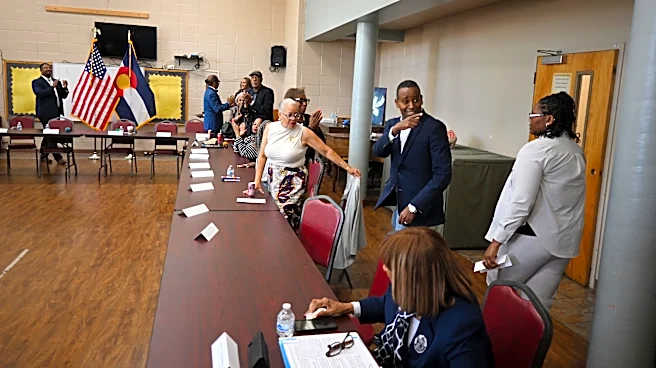
Prosecutors in Boulder, Jefferson, and Denver counties in Colorado recently held 'warrant forgiveness' events, part of a program called Fresh Start. These events offered individuals with outstanding arrest warrants for minor crimes an opportunity to resolve
their legal issues without immediate arrest. Approximately 30 people attended the event in Boulder County, where law enforcement guaranteed they would not be arrested on site. Christian Gardner-Wood, a chief deputy District Attorney who organized the Boulder County event, noted that this initiative has been running for about seven years, occurring once or twice annually. The program aims to provide a pathway for individuals to clear minor warrants, such as those for forgotten traffic tickets or missed court dates, which can otherwise escalate into more significant legal problems.
Why It's Important?
These 'warrant forgiveness' events are significant as they represent a proactive approach by law enforcement to address a backlog of minor legal infractions and reduce the burden on the justice system. By offering a non-arrest pathway, these programs encourage individuals to voluntarily resolve their warrants, preventing potential arrests during routine interactions like traffic stops or background checks. This can help individuals avoid the negative consequences of an outstanding warrant, which can impact employment, housing, and overall personal stability. For the justice system, it can lead to a more efficient allocation of resources, allowing law enforcement to focus on more serious crimes while clearing administrative warrants that might otherwise consume court time and police effort. The initiative also fosters community trust by providing a less punitive method for resolving legal issues.
What's Next?
The continued success and potential expansion of 'warrant forgiveness' programs like Fresh Start could lead to similar initiatives in other U.S. jurisdictions. As these programs demonstrate their effectiveness in clearing minor warrants and reducing the strain on the legal system, more counties and states might adopt similar strategies. The focus will likely remain on minor offenses, offering opportunities for individuals to address issues such as unpaid fines or missed court appearances without the threat of immediate incarceration. Law enforcement agencies and community organizations may continue to collaborate to promote these events, ensuring that those with outstanding warrants are aware of the opportunity to resolve their legal matters voluntarily and avoid more severe repercussions.
Beyond the Headlines
Beyond the immediate benefits of clearing warrants, these programs touch upon broader issues of criminal justice reform and community engagement. They highlight a shift towards restorative justice practices, where the emphasis is on resolution and rehabilitation rather than solely on punishment. By removing the fear of arrest, these events encourage individuals to re-engage with the legal system, potentially leading to a reduction in recidivism for minor offenses. The initiative also underscores the importance of public access to legal information and the need for transparent processes that allow individuals to understand and address their legal standing. Such programs can contribute to a more equitable justice system by providing accessible avenues for resolution, particularly for those who may lack the resources or knowledge to navigate complex legal procedures.