







What's Happening?
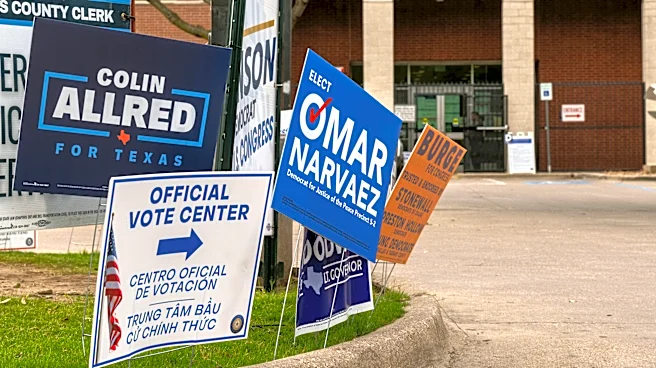
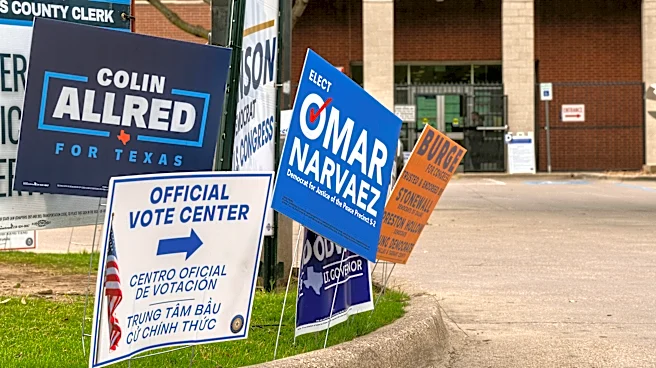
Colin Allred has emerged victorious in the Democratic primary runoff for Texas' 33rd Congressional District, defeating U.S. Rep. Julie Johnson. The runoff was necessitated after neither candidate secured more than 50% of the vote in the initial March
3 primary. Allred, a former congressman from Dallas, led the initial primary with nearly 44% of the vote, while Johnson garnered over 33%. The campaign was marked by intense exchanges, with Allred criticizing Johnson's past stock trades, suggesting they were linked to civil rights violations. Johnson, in turn, scrutinized Allred's voting record, particularly concerning Immigration and Customs Enforcement (ICE). Allred campaigned on his North Texas roots and his experience in securing federal funding, positioning himself as a problem-solver and critic of corporate influence in politics.
Why It's Important?
Allred's victory in the Democratic runoff sets the stage for a significant contest in the upcoming November elections, where he will face the Republican nominee. This race is crucial as it could influence the balance of power in Congress, particularly in a district that has been a Democratic stronghold. Allred's focus on reducing corporate influence and addressing civil rights issues resonates with progressive voters, potentially energizing the Democratic base. His criticisms of ICE and the current administration's policies may also appeal to voters concerned about immigration and civil liberties. The outcome of this election could impact legislative priorities and the political landscape in Texas, a state that has been increasingly competitive in recent elections.
What's Next?
With the Democratic nomination secured, Allred will now prepare for the general election in November. His campaign will likely continue to emphasize his legislative experience and focus on local issues affecting North Texas. The Republican nominee will present a contrasting platform, and the race is expected to draw significant attention and resources from both parties. Voter turnout and engagement will be critical factors, as both candidates seek to mobilize their respective bases. The election results could have broader implications for national politics, particularly in shaping the Democratic Party's strategy in Texas and beyond.