






What's Happening?
In recognition of National Library Week, PBS stations in the North Country, including Mountain Lake PBS in Plattsburgh and WPBS in Watertown, are collaborating with local library systems to screen the documentary 'The Librarians.' The film, directed by
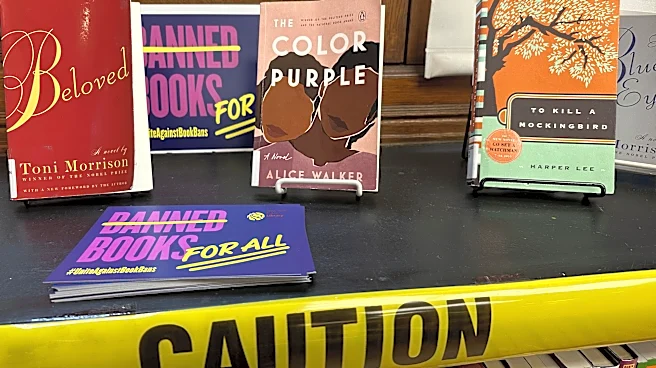
Kim A. Snyder, highlights the efforts of school and public librarians who are resisting a nationwide push to ban books that focus on race and LGBTQ-plus themes. Screenings will occur at The Strand theaters in Plattsburgh and Watertown, with additional watch parties hosted by local libraries. The documentary underscores the critical role of librarians in safeguarding access to diverse narratives, emphasizing the potential life-saving impact of books for marginalized youth.
Why It's Important?
The screening of 'The Librarians' is significant as it brings attention to the ongoing cultural and political battles over book censorship in the United States. The documentary serves as a rallying cry for those who value freedom of expression and the preservation of diverse voices in literature. By highlighting the librarians' struggle, the film underscores the broader societal implications of censorship, which can marginalize already vulnerable communities. The screenings aim to galvanize public support for libraries and encourage civic engagement, particularly in local elections that influence educational and library policies. This movement reflects a growing awareness and resistance against efforts to limit access to diverse perspectives in educational settings.
What's Next?
Following the screenings, there is an anticipated increase in public involvement in local governance, particularly in school board and library board elections. The documentary encourages viewers to become more informed and active in their communities, advocating for policies that protect intellectual freedom. As awareness grows, there may be a push for legislative measures to safeguard against book bans and support librarians facing potential criminalization or job loss. The film's impact is expected to extend beyond the U.S., resonating with international audiences who face similar challenges, thereby fostering a global dialogue on the importance of protecting access to diverse literature.