




What's Happening?
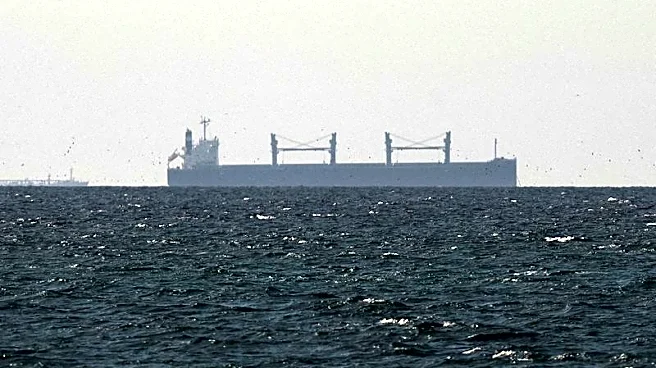
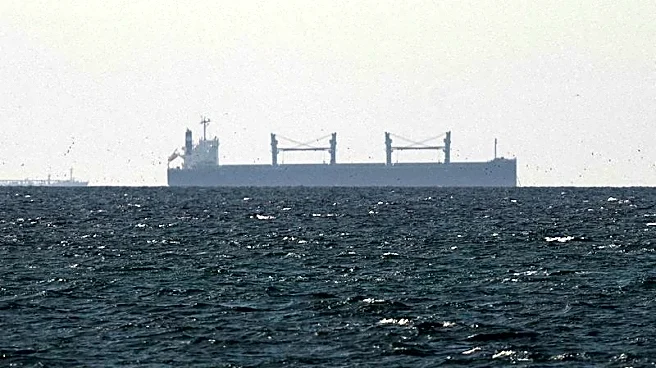
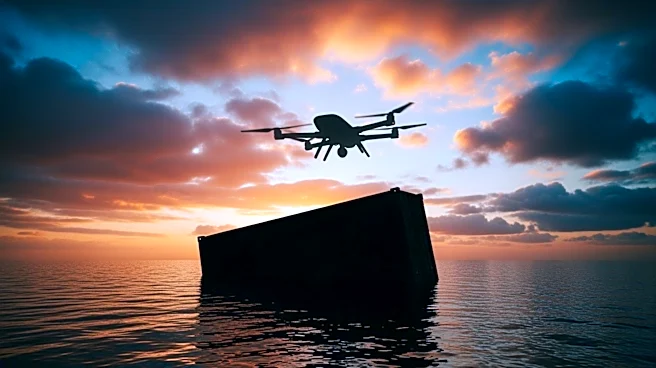
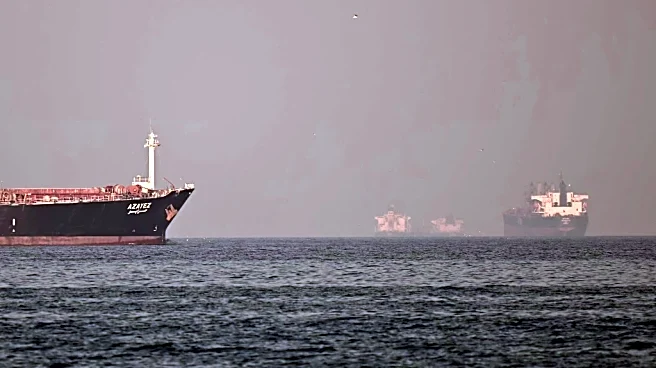
Iran's Islamic Revolutionary Guard Corps (IRGC) has claimed responsibility for a drone strike on an MSC container ship, the MSC Ishyka, in the Gulf region. The IRGC stated that the vessel, allegedly linked to the 'Zionist regime,' was struck in the Strait
of Hormuz, resulting in a fire. However, the ship's current location, according to its Automatic Identification System (AIS) data, is at a berth in Manama, Bahrain, not in the Strait of Hormuz. The MSC Ishyka III, a 34,000 dwt container feeder, has been operated by MSC since 2014 and is owned by Pasithea Oceanway Ltd. Despite the IRGC's claims, there is no evidence of the ship's direct ties to Israeli interests, and no corroboration of the strike has been provided by other authorities or bystanders. The United Kingdom Maritime Trade Operations (UKMTO) has not included this incident in its official list of confirmed shipping incidents in the Gulf.
Why It's Important?
This incident highlights the ongoing tensions in the Gulf region, particularly involving Iran and its adversaries. The Strait of Hormuz is a critical chokepoint for global oil shipments, and any disruption could have significant implications for international trade and energy markets. The IRGC's claim, whether substantiated or not, underscores the potential for conflict escalation in the region, which could impact shipping routes and global supply chains. The lack of corroboration from other sources raises questions about the veracity of the IRGC's claims, but the situation remains tense, with potential repercussions for regional stability and international relations.
What's Next?
The situation may lead to increased security measures for shipping in the Gulf region, as stakeholders assess the risk of further incidents. Shipping companies might reconsider their routes or enhance their security protocols to mitigate potential threats. Additionally, diplomatic efforts may intensify to address the underlying tensions and prevent further escalation. The international community, including the United States and its allies, may respond with increased naval presence or diplomatic initiatives to ensure the safety of maritime operations in the region.
Beyond the Headlines
The incident reflects broader geopolitical dynamics, including Iran's strategic use of military capabilities to assert influence in the Gulf. It also highlights the challenges of verifying claims in conflict zones, where information can be scarce or manipulated. The potential for misinformation or propaganda in such contexts can complicate international responses and policy decisions. Long-term, this situation may influence global energy policies and the strategic importance of alternative shipping routes or energy sources.