





What's Happening?
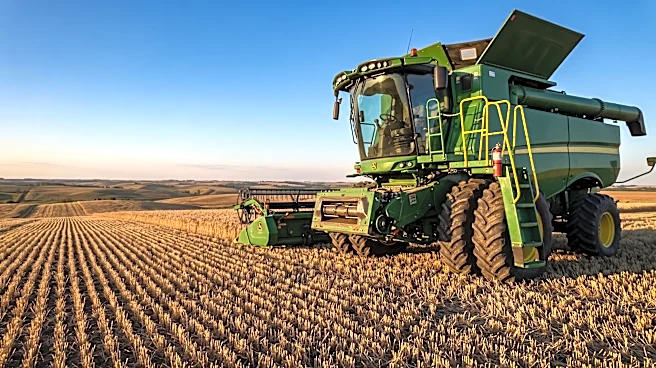
The U.S. Department of Agriculture (USDA) is intensifying its examination of agricultural equipment sales and repair practices, prompted by numerous complaints from farmers regarding restrictions imposed by manufacturers. The USDA is collaborating with
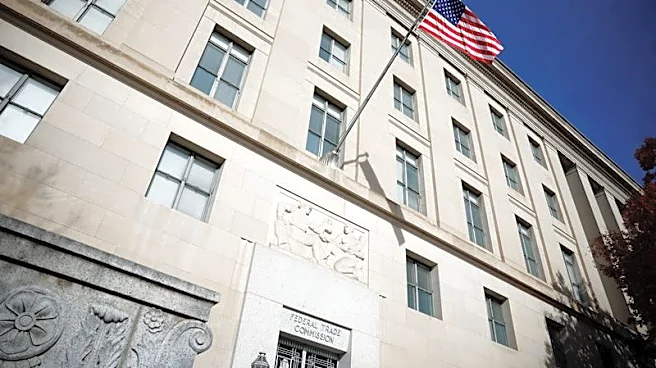
the Federal Trade Commission (FTC) to investigate barriers that farmers report encountering when purchasing new equipment or attempting to get their machinery repaired in a timely manner. This inquiry will delve into various aspects, including repair restrictions, contract terms, penalties, and allegations of retaliation against farmers. The primary objective is to determine whether these practices are contributing to increased costs for agricultural producers. Farmers and other stakeholders have until December 7 to submit their comments to the agencies, providing crucial input for the ongoing review. This joint effort highlights a concerted governmental focus on ensuring fair competition and addressing anti-competitive practices within the agricultural machinery market.
Why It's Important?
This joint inquiry by the USDA and FTC is critically important for addressing potential anti-competitive practices that could significantly impact the financial viability and operational efficiency of American farmers. Farmers rely heavily on their equipment, and restrictions on repairs or sales can lead to increased downtime, higher maintenance costs, and reduced productivity. These issues can directly affect their ability to bring crops to market and manage their livestock, ultimately impacting food supply chains and consumer prices. By examining contract terms, penalties, and alleged retaliation, the agencies are seeking to protect farmers from potentially exploitative practices by manufacturers. Ensuring a competitive market for agricultural equipment and repairs is essential for fostering innovation, lowering input costs for farmers, and maintaining a healthy agricultural sector. This initiative could empower farmers with greater control over their equipment and reduce their dependence on a limited number of manufacturers.
What's Next?
The USDA and FTC are actively soliciting comments from the public, particularly farmers and other stakeholders, until December 7. This feedback will be crucial in shaping the direction and scope of their investigation. Following the comment period, the agencies will likely analyze the submitted information to identify specific areas of concern and potential policy interventions. This could lead to new regulations, enforcement actions against manufacturers found to be engaging in anti-competitive behavior, or legislative proposals aimed at strengthening farmers' 'right to repair.' The outcome of this review could set precedents for how intellectual property rights and service agreements are balanced with the needs of end-users in other industries. Farmers should stay informed about the progress of this inquiry and continue to advocate for policies that promote fair competition and access to essential services for their operations.
Beyond the Headlines
The investigation into agricultural equipment sales and repairs touches upon broader themes of consumer rights, intellectual property, and market concentration in modern industries. The 'right to repair' movement, which advocates for consumers' ability to fix their own products, is gaining traction across various sectors, and this inquiry could significantly advance that cause within agriculture. The issue also highlights the increasing complexity of agricultural machinery, which often incorporates advanced technology and software, making repairs more difficult without manufacturer-specific tools or diagnostics. This situation raises questions about data ownership and access, as modern equipment generates vast amounts of operational data. The outcome of this review could influence how technology is integrated into agriculture, ensuring that innovation benefits farmers without creating new dependencies or barriers to entry for independent repair services. It also underscores the ongoing tension between corporate control and individual autonomy in a technologically advanced economy.