








What's Happening?
The Food and Drug Administration (FDA) has issued a nationwide recall for compounded versions of GLP-1 injections, including tirzepatide, the active ingredient in popular weight-loss drugs like Mounjaro and Zepbound. The recall, initiated by Apothecary
Pharma, a U.S.-based compounding pharmacy, is classified as Class II, indicating that use of these products could lead to temporary or medically reversible adverse health consequences. This is not the first time Apothecary Pharma has faced FDA scrutiny; the agency issued a warning letter last December citing serious deficiencies in the company's sterile drug production practices. The FDA's inspection revealed issues such as improper handling of sterile containers, touching sterile work areas, failure to change gloves, and visibly rusty and hard-to-clean equipment, all of which compromise the sterility assurance of the products. The recall specifically targets 22 vials of compounded tirzepatide with various lot numbers and beyond-use dates, as well as a NAD+ injection from the same manufacturer, also due to potential contamination. Consumers who obtained these compounded medications, potentially through telehealth providers, are advised to check their vial labels for manufacturer and lot information.
Why It's Important?
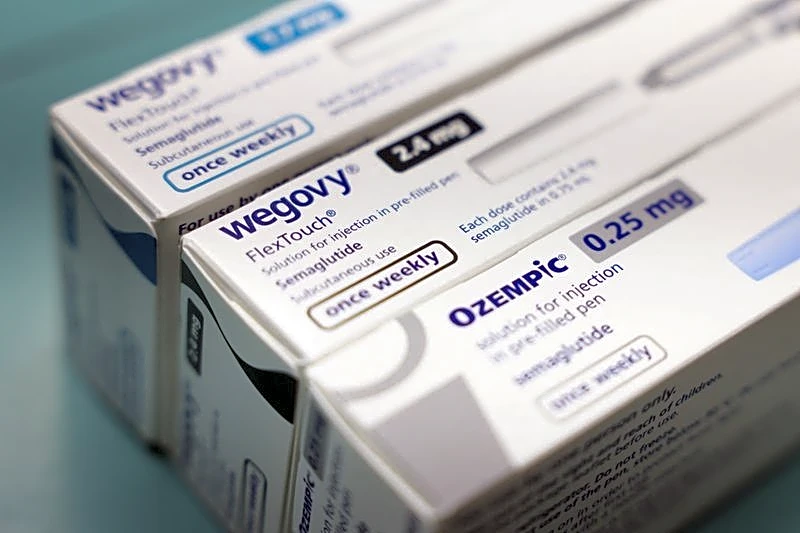
This recall highlights significant concerns regarding the safety and regulatory oversight of compounded medications, particularly in the rapidly growing market for GLP-1 weight-loss drugs. While brand-name GLP-1 medications are FDA-approved and regulated, compounded versions are not subject to the same rigorous review for safety, effectiveness, or quality before market entry. The FDA has previously documented issues with compounded GLP-1s, including dosing errors leading to hospitalizations, improper storage, and even fraudulent manufacturing claims. The agency has also raised concerns about multidose vials, which were part of this recall, as they rely on patient self-administration and carry a risk of contamination, especially after prolonged use. With as many as 5 million individuals reportedly using compounded GLP-1 versions, this recall underscores a broader public health risk. The lack of sterility assurance in compounded drugs can expose patients to infections and other adverse health outcomes, eroding trust in alternative medication sources and potentially impacting the wider pharmaceutical industry's reputation for safety and quality.
What's Next?
Patients currently using compounded GLP-1 injections from Apothecary Pharma or any other compounding pharmacy should immediately check their medication labels against the recall information provided by the FDA. They are advised to consult their healthcare providers to discuss alternative treatment options and to report any adverse reactions. The FDA is expected to continue its investigations into compounding pharmacies to ensure compliance with sterile manufacturing practices. This incident may lead to increased regulatory scrutiny and potentially stricter enforcement actions against compounding pharmacies that fail to meet safety and quality standards. Furthermore, there could be a push for greater public awareness regarding the differences between FDA-approved brand-name drugs and compounded alternatives, emphasizing the inherent risks associated with unregulated products. The pharmaceutical industry may also see a shift in consumer preference towards brand-name GLP-1 medications, potentially impacting the market share of compounded versions.
Beyond the Headlines
The recall of compounded GLP-1 injections delves into the complex ethical and regulatory landscape surrounding pharmaceutical compounding. While compounding serves a vital role in providing customized medications for patients with specific needs or allergies, its expansion into mass-market drugs like GLP-1s, often driven by cost savings or supply chain issues, raises fundamental questions about patient safety. The incident exposes a loophole where compounded drugs can bypass the stringent approval processes applied to commercial pharmaceuticals, creating a two-tiered system of drug availability with differing safety assurances. This situation could prompt a re-evaluation of existing regulations for compounding pharmacies, potentially leading to reforms that balance patient access to customized medications with robust safety oversight. The reliance on telehealth providers for distributing these compounded drugs also brings into focus the need for clearer guidelines and accountability within the digital healthcare ecosystem, ensuring that patients receive safe and effective treatments regardless of the dispensing method.