





What's Happening?
Ann Arbor's local news landscape is undergoing a significant shift as the Ann Arbor News and its predecessors transition from traditional print formats to digital platforms for obituaries. This move is aimed at expanding accessibility and improving the preservation
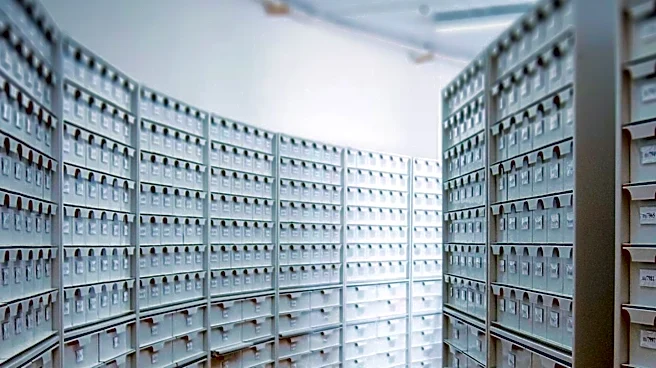
of these biographical notices, which serve as a historical record of the community. The digital archives of the Ann Arbor News now allow users to search by name, date, and keyword, making it easier to locate specific individuals or browse death notices from particular time periods. Social media platforms are also playing a new role, creating spaces for sharing and discussing obituaries within local Facebook groups and community forums, fostering broader engagement with shared memories. This evolution in how obituaries are presented reflects Ann Arbor's commitment to remembering its residents, who are recognized as integral to the city's character as neighbors, educators, artists, activists, and friends.
Why It's Important?
The transition to digital obituaries in Ann Arbor holds significant importance for historical preservation, genealogical research, and community engagement. By moving away from print, these vital records become more accessible to a wider audience, including historians and genealogists who can now more easily trace family histories and understand migration patterns. Digital formats offer improved search capabilities and the potential for multimedia integration, allowing future generations to connect with their predecessors in more meaningful ways. This shift also ensures the long-term preservation of these records, safeguarding the evolving narrative of Ann Arbor. Furthermore, the integration of social media platforms into the obituary process highlights a growing trend in how communities process grief and memorialize individuals in the digital age, adapting traditional practices to modern communication methods.
What's Next?
The future of Ann Arbor obituaries is expected to continue evolving with technological advancements. Emerging practices such as multimedia obituaries, which may incorporate video tributes, photo slideshows, and interactive elements, are anticipated to offer new ways to celebrate complex lives in the digital age. As Ann Arbor continues to grow and diversify, its obituary traditions will likely adapt further to reflect the increasingly varied experiences of its residents. Local journalists are expected to maintain their sensitive approach to writing obituaries, developing long-term relationships with families to capture meaningful stories. Professional organizations like the Michigan Press Association will continue to provide guidelines and training to ensure accuracy, respect, and cultural competence in obituary writing, ensuring that these essential testaments to individual impact remain a cornerstone of community remembrance.
Beyond the Headlines
The shift to digital obituaries in Ann Arbor underscores broader societal changes in how communities engage with death, memory, and historical record-keeping. This evolution touches upon ethical considerations regarding data privacy and the permanence of digital information, as personal stories become part of an accessible online archive. Culturally, it reflects a move towards more interactive and multimedia-rich forms of remembrance, potentially altering traditional grieving processes and community support networks. The long-term implications include the creation of a more comprehensive and searchable historical database, which could significantly impact academic research and public understanding of local history. This digital transformation also highlights the ongoing challenge for local news organizations to adapt their services to meet contemporary needs while maintaining their crucial role in documenting community life and honoring its members.