
What's Happening?
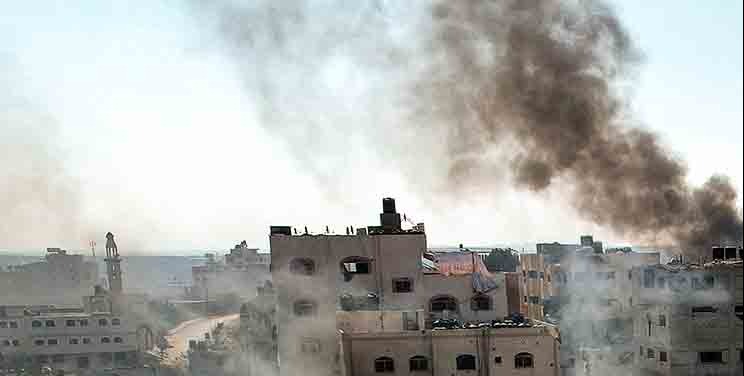
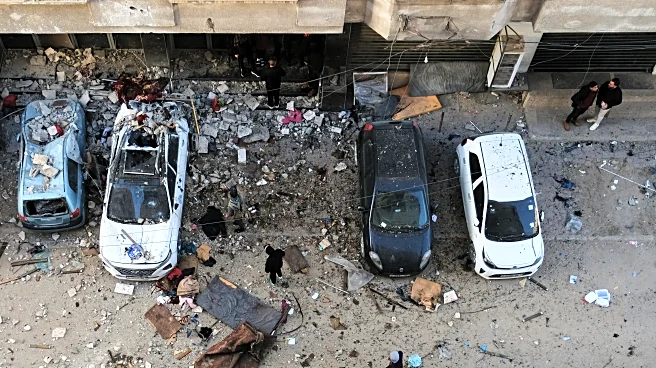
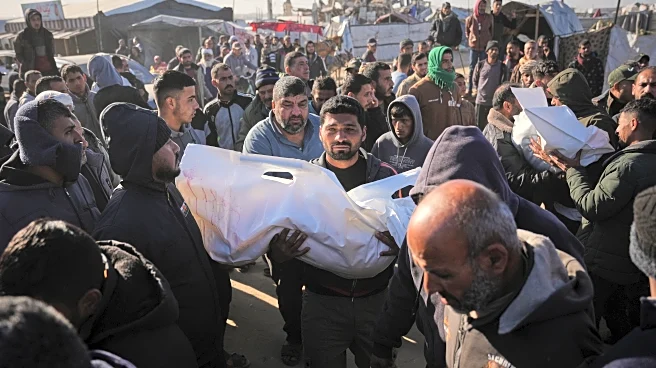
Israeli airstrikes in Gaza have resulted in the deaths of at least 23 Palestinians, marking one of the highest tolls since the October ceasefire. The strikes targeted various locations, including an apartment
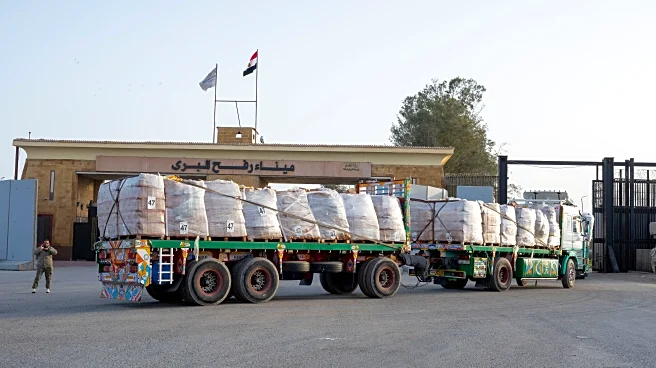
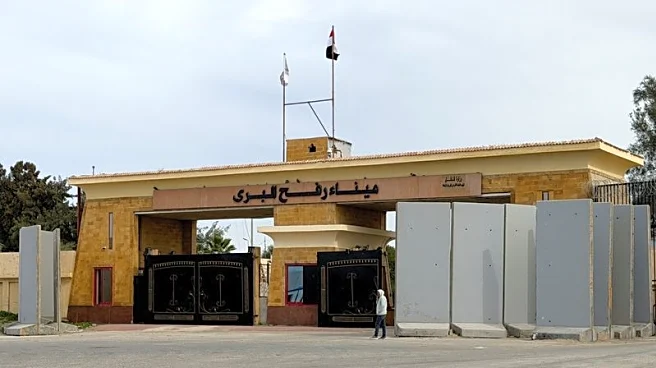
building in Gaza City and a tent camp in Khan Younis. The casualties included women and children, with significant damage reported at a police station in Gaza City. The strikes occurred a day before the Rafah border crossing with Egypt was set to reopen, a critical component of the U.S.-brokered ceasefire agreement. The Israeli military stated that the strikes were in response to ceasefire violations by Hamas.
Why It's Important?
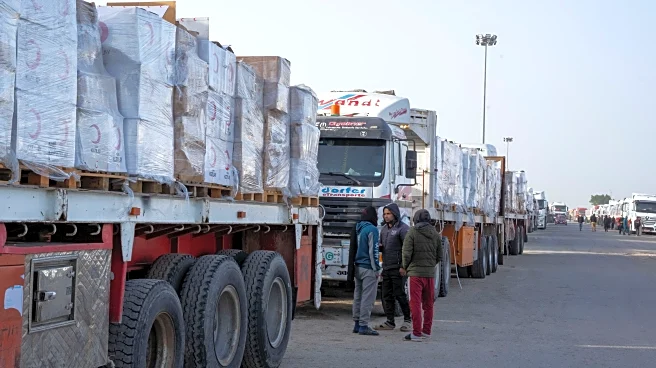
The airstrikes highlight the fragile nature of the ceasefire agreement and the ongoing tensions between Israel and Hamas. The reopening of the Rafah crossing is crucial for humanitarian aid and medical treatment for Palestinians, as much of Gaza's infrastructure has been destroyed. The strikes could potentially derail the progress made in the ceasefire negotiations, affecting regional stability and international diplomatic efforts. The situation underscores the challenges in achieving a lasting peace in the region, with significant implications for U.S. foreign policy and its role as a mediator.
What's Next?
The reopening of the Rafah crossing is a significant step in the ceasefire process, but the recent violence may complicate further negotiations. The international community, including the United States, may need to increase diplomatic efforts to ensure compliance with the ceasefire terms. The potential for further escalation remains, with both sides likely to continue military and political maneuvers. The situation requires careful monitoring to prevent a return to full-scale conflict.