






What's Happening?
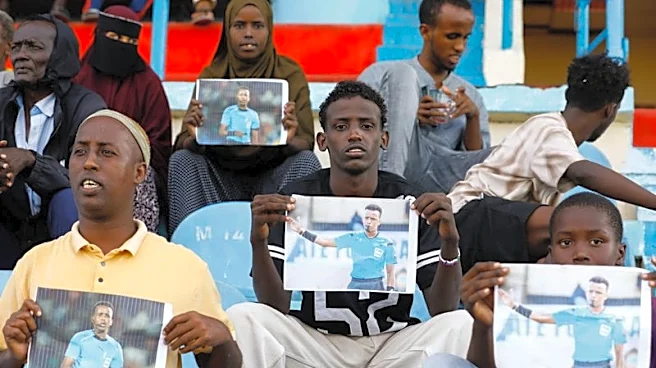
Omar Abdulkadir Artan, a top Somalian referee scheduled to officiate at the World Cup, was denied entry into the U.S. due to alleged links to terrorist organizations. Artan was detained for 11 hours at Miami International Airport before being sent back
to Istanbul. U.S. Customs and Border Protection cited 'vetting concerns' and an 'association with suspected members of terror organizations' as reasons for the denial. Artan, who has been recognized as Africa's best referee, was questioned about his connections to the Al Shabaab terrorist group, which he denied. The incident has sparked criticism and concern from Somali officials and highlights ongoing tensions regarding U.S. immigration policies.
Why It's Important?
This incident underscores the complexities and challenges of U.S. immigration and security policies, particularly concerning individuals from countries with known terrorist activities. The denial of entry to a high-profile figure like Artan could strain diplomatic relations between the U.S. and Somalia and impact perceptions of U.S. policies in Africa. It also raises questions about the balance between national security and fair treatment of individuals, especially those with legitimate credentials and intentions. The situation may influence future immigration and security protocols, affecting international events and collaborations.
What's Next?
The denial of entry to Artan may lead to diplomatic discussions between the U.S. and Somalia, as well as potential appeals or legal actions by Artan. The incident could prompt a review of U.S. vetting processes and policies, particularly for individuals involved in international events like the World Cup. Additionally, it may influence FIFA's response and policies regarding the participation of officials from countries with security concerns.