






What's Happening?
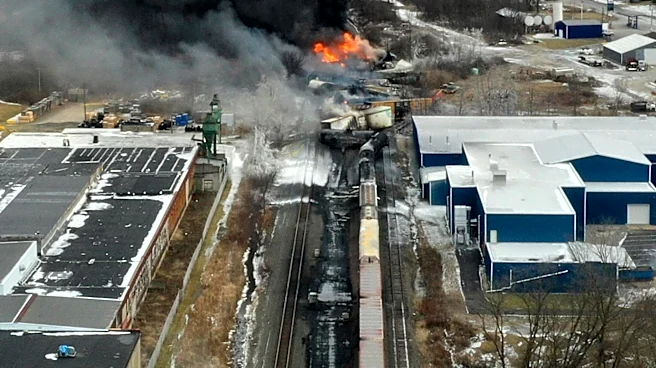
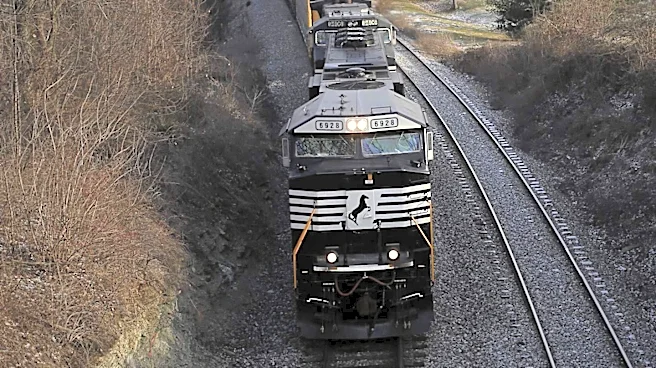
On September 15, 2002, a Norfolk Southern train derailed in Farragut, a community in West Knox County, Tennessee. The incident involved 27 railroad cars being overturned, leading to the release of a toxic cloud of fuming sulfuric acid. This chemical release necessitated
the evacuation of approximately 2,600 residents from the affected area. The event was captured by photographer Michael Patrick, who documented a worker in a HAZMAT suit emerging from one of the wrecked cars. This derailment is highlighted as a significant news event from the East Tennessee market, demonstrating the immediate and severe impact of such industrial accidents on local communities and the environment. The reporting on this incident emphasized the chaos and the critical need for rapid response and public safety measures.
Why It's Important?
The 2002 Farragut train derailment underscores the critical risks associated with the transportation of hazardous materials by rail in the U.S. The evacuation of 2,600 people due to a toxic sulfuric acid cloud illustrates the potential for widespread public health and safety crises, disrupting daily life and causing significant community distress. Such incidents highlight the vulnerability of residential areas located near rail lines and the importance of stringent safety regulations and emergency preparedness protocols for railroad companies. The event also brings to light the environmental consequences of toxic chemical spills, which can have long-lasting effects on local ecosystems. For industries, it serves as a stark reminder of the financial and reputational costs of safety failures, including potential lawsuits, regulatory fines, and the erosion of public trust. The incident emphasizes the ongoing need for robust infrastructure maintenance, advanced safety technologies, and comprehensive emergency response training to mitigate the impact of similar future occurrences.
What's Next?
While the source details a past event, the implications for 'what's next' in U.S. rail safety are continuous. Following such incidents, there is typically increased scrutiny from regulatory bodies like the Federal Railroad Administration (FRA) and the Environmental Protection Agency (EPA) regarding rail safety practices and hazardous material transport. This often leads to calls for enhanced safety measures, including improved track maintenance, updated railcar standards, and more rigorous inspection protocols. Communities located near rail lines carrying hazardous materials may advocate for stricter local ordinances and better-funded emergency response capabilities. Railroad companies are likely to face ongoing pressure to invest in preventative technologies and training to avoid future derailments and toxic releases. Additionally, legislative efforts at both state and federal levels may emerge, aiming to strengthen existing laws and introduce new regulations to safeguard public health and environmental integrity against the risks posed by freight operations.
Beyond the Headlines
The Farragut train derailment extends beyond immediate safety concerns to touch upon broader societal and ethical considerations regarding industrial operations and community well-being. The incident highlights the often-unseen risks that communities bear due to their proximity to critical transportation infrastructure, particularly when hazardous materials are involved. It raises questions about environmental justice, as lower-income or marginalized communities are sometimes disproportionately affected by such industrial hazards. The event also underscores the psychological impact on residents, who may experience long-term anxiety and distrust towards industrial entities and regulatory bodies. Furthermore, it brings into focus the role of media in documenting and shaping public perception of such crises, with powerful imagery often serving as a catalyst for public discourse and policy change. The balance between economic development facilitated by rail transport and the imperative to protect human lives and the environment remains a persistent ethical challenge for policymakers and corporations alike.