

What's Happening?
U.S. Representative Randy Feenstra, a Republican from western Iowa and a gubernatorial candidate, outlined his vision for economic development in Iowa during a roundtable discussion in Jones County. Feenstra emphasized the importance of transforming Iowa into
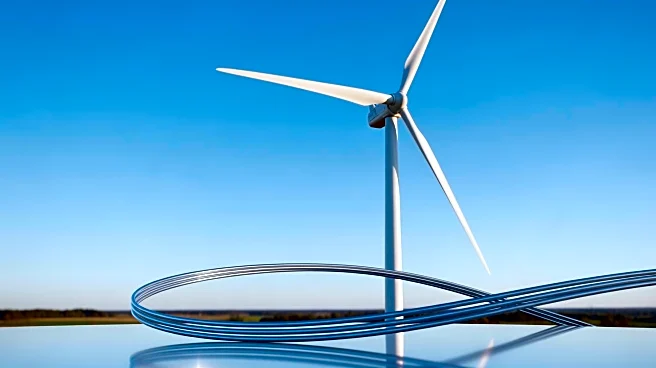
a business-friendly state by leveraging affordable energy, expanding high-speed rural broadband, and developing a skilled workforce. His platform includes lowering property taxes, enhancing education, and improving healthcare access. Feenstra is one of five Republicans running for the 2026 GOP nomination for governor. He aims to attract manufacturers back to the U.S. and position Iowa as a prime location for business relocation. Feenstra also discussed the significance of maintaining electric service territories to encourage rural investment and proposed faster FEMA funding for disaster recovery.
Why It's Important?
Feenstra's proposals could significantly impact Iowa's economic landscape by attracting businesses and retaining young talent. By focusing on energy and broadband infrastructure, Feenstra aims to create a conducive environment for manufacturing and technological advancements. His emphasis on education and workforce development aligns with efforts to keep young Iowans in the state, potentially reversing brain drain trends. The discussion on FEMA funding and electric service territories highlights the need for efficient disaster recovery and rural investment, which are crucial for sustaining economic growth in less urbanized areas. These initiatives could position Iowa as a leader in rural economic development and innovation.
What's Next?
As the gubernatorial race progresses, Feenstra will likely continue to promote his economic strategy to gain support from voters and stakeholders. The outcome of the election could determine the implementation of his proposed policies. Additionally, Feenstra's engagement with business leaders and utility companies suggests ongoing efforts to solidify partnerships that could facilitate the realization of his vision. The response from other candidates and political leaders will shape the discourse around economic development in Iowa, potentially influencing policy priorities and legislative agendas.