










What's Happening?
The U.S. Department of Energy has issued an emergency directive for data centers in the mid-Atlantic region to utilize their backup power supplies during a severe heat wave. This measure aims to ensure sufficient electricity is available for residential
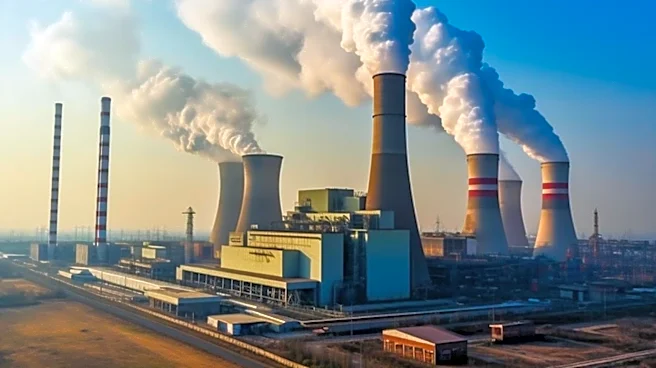
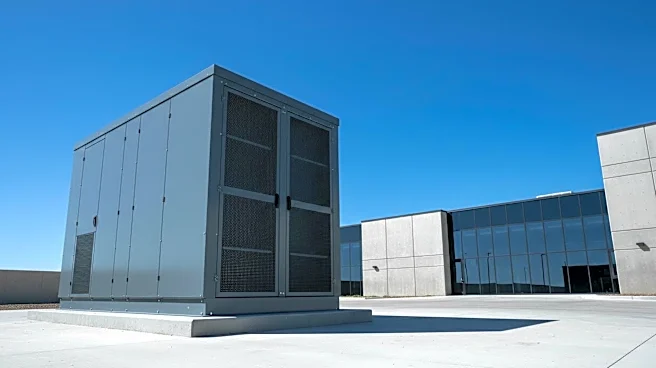
air conditioning as temperatures soar above 100 degrees in major cities from Washington, DC, to New York City. Energy Secretary Chris Wright emphasized the importance of maintaining reliable power in the PJM service territory, which includes 13 states and hosts the world's largest cluster of data centers in Virginia. The directive is part of efforts by the Trump administration to use all available tools to provide affordable and secure energy to Americans. While the use of backup generators can alleviate grid strain, it may also lead to increased pollution due to the less efficient nature of gas or diesel-powered generators.
Why It's Important?
This directive highlights the critical role of energy management during extreme weather conditions, particularly in regions with high energy demand. By redirecting data centers to use backup power, the Department of Energy aims to prevent power outages and ensure residential areas remain cool and safe. However, the reliance on backup generators raises environmental concerns due to potential air quality issues. The decision underscores the need for sustainable energy solutions and infrastructure improvements to handle peak demand periods. It also reflects the ongoing challenges in balancing energy supply and environmental impact, especially in areas with limited energy storage capabilities.
What's Next?
The immediate focus will be on monitoring the effectiveness of the directive in maintaining grid stability and residential comfort during the heat wave. Stakeholders, including utility companies and environmental groups, may push for further investments in renewable energy and battery storage solutions to reduce reliance on fossil fuel-based backup systems. Additionally, the Department of Energy may explore long-term strategies to enhance grid resilience and energy efficiency, potentially influencing future policy decisions and infrastructure development.