


What's Happening?
AAA projects that 81.5 million Americans will travel at least 50 miles from home for the Thanksgiving holiday between November 24 and November 30, 2026. This forecast represents a marginal 0.1% decrease from last year's 81.6 million travelers, marking
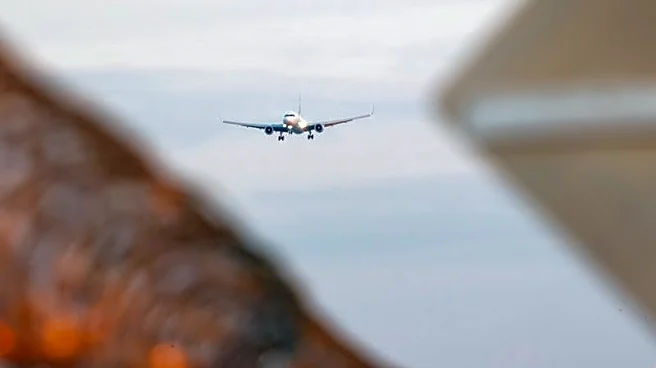
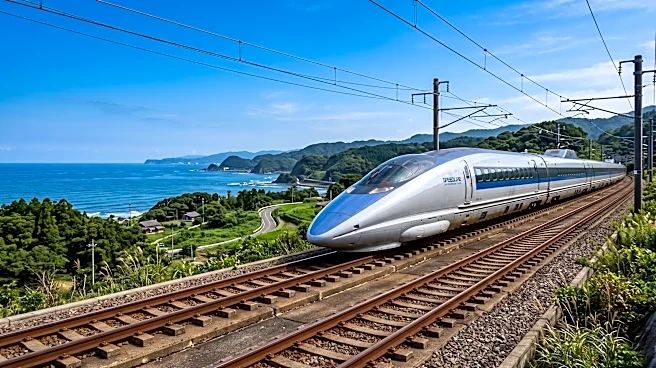
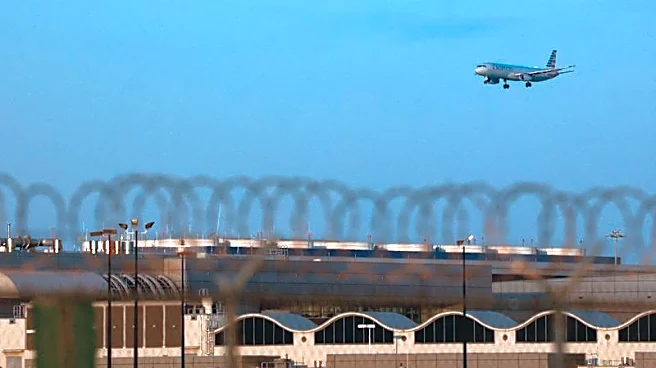
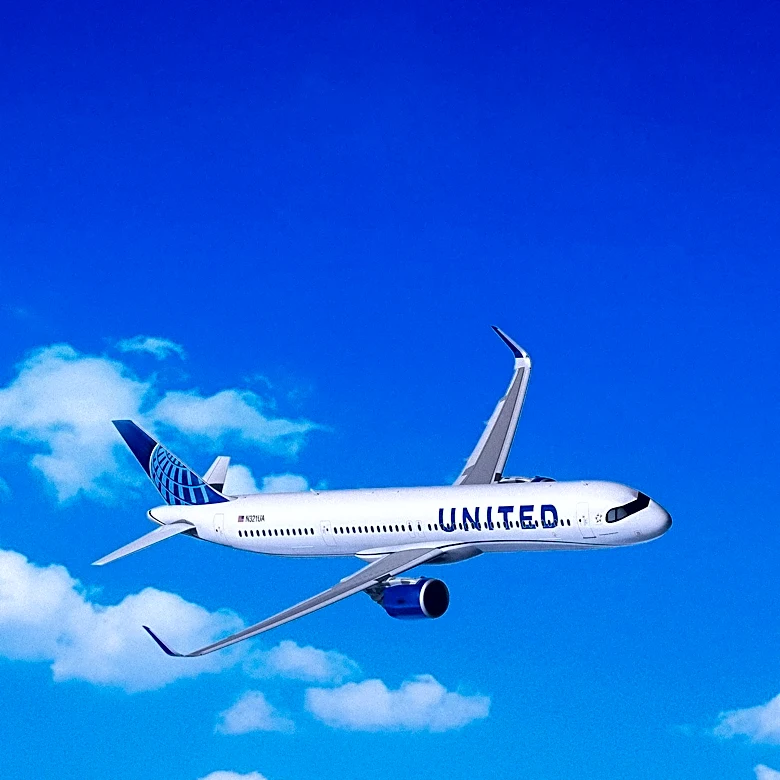
an end to a three-year streak of record Thanksgiving travel. The slight decline, approximately 121,000 fewer travelers, is attributed partly to increased travel costs this year. While road trips and flights are expected to see a minor reduction, travel by cruises, buses, and trains is on the rise. Approximately 72.9 million people are anticipated to travel by car, a slight drop from 73.1 million last year, influenced by record-high gas prices. Air travel is projected to involve 5.96 million domestic travelers, a 0.2% decrease, with roundtrip domestic flights averaging $800, a 17% increase from the previous year. Conversely, 2.6 million Americans are expected to use other modes of transportation, a 4.1% increase, with cruises being a popular choice for extended vacations.
Why It's Important?
This slight downturn in Thanksgiving travel, despite being minimal, signals a potential sensitivity of American consumers to rising travel costs, particularly gas prices and airfares. The shift towards alternative transportation like cruises, buses, and trains suggests that travelers are seeking value and variety, or perhaps longer vacation experiences that these modes often offer. For the travel industry, this indicates a need for flexibility and diverse offerings to cater to budget-conscious consumers. Airlines and rental car companies might face challenges if cost remains a primary deterrent, while cruise lines and other public transport providers could see continued growth. The sustained high volume of travelers, even with a slight dip, still places significant strain on infrastructure, leading to anticipated congestion on roads and at airports, impacting travel times and potentially local economies reliant on holiday tourism.
What's Next?
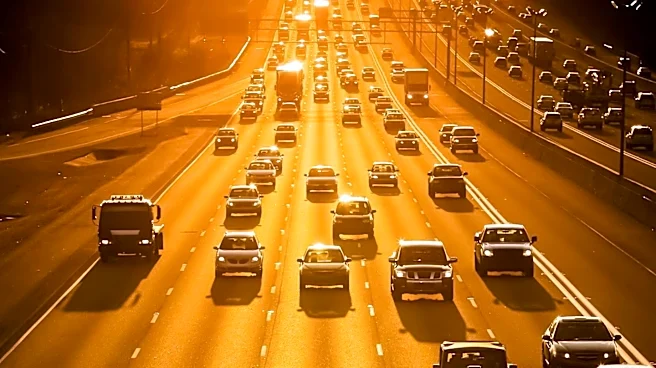
Travelers should anticipate continued high congestion on roads and at airports, particularly on the Tuesday and Wednesday before Thanksgiving, and the Sunday and Monday following the holiday. Major metropolitan areas like New York, Washington, D.C., Los Angeles, and Boston are expected to experience more than double their normal traffic congestion during peak hours. AAA advises drivers to travel in the morning to avoid the heaviest traffic. For those seeking to mitigate costs, AAA travel advisors recommend strategies such as booking based on airfare deals, utilizing secondary airports, traveling during shoulder seasons, avoiding weekend flights, packing meals, and leveraging loyalty programs for gas savings. The trend of increasing costs for traditional travel modes may prompt more Americans to explore budget-friendly alternatives or adjust their travel habits in future holiday seasons.
Beyond the Headlines
The subtle shift in Thanksgiving travel patterns could reflect broader economic pressures on American households, where discretionary spending on travel is being re-evaluated against rising everyday costs. The emphasis on 'booking on a budget' and seeking value suggests a more strategic approach to holiday planning among consumers. This could lead to a long-term trend where flexibility in destination and timing becomes more prevalent, rather than adherence to traditional peak travel periods. Furthermore, the increased adoption of cruises and other modes of transport might indicate a desire for more comprehensive vacation experiences that offer perceived greater value for money, potentially reshaping the competitive landscape within the travel industry. The data also highlights the enduring importance of family gatherings during Thanksgiving, with many Americans still prioritizing travel despite financial considerations.