
What's Happening?
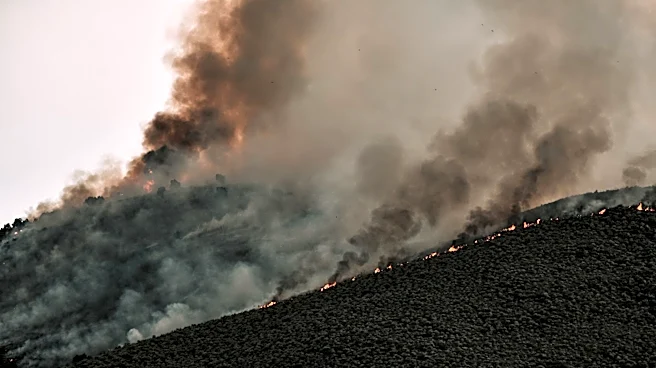
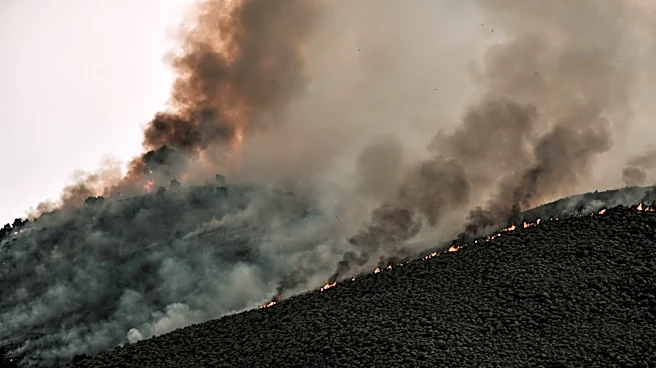
The Montana Department of Environmental Quality (DEQ) has issued an air quality alert for numerous counties across the state due to elevated particulate levels from wildfire smoke. The alert, which affects counties including Beaverhead, Blaine, and Cascade,
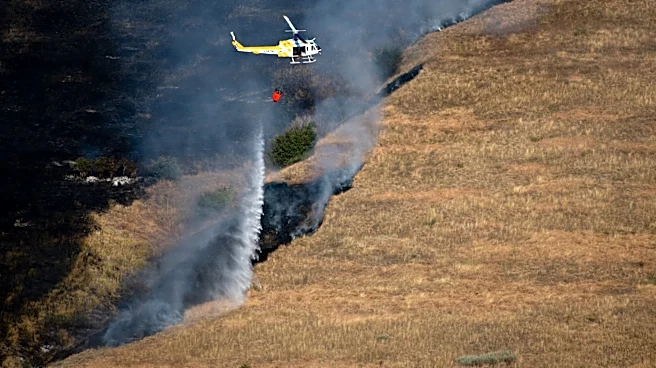
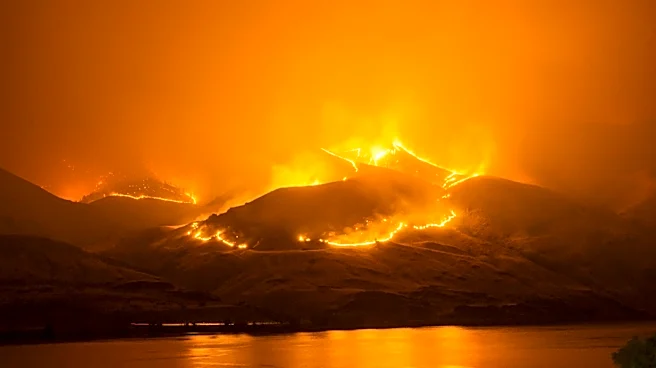
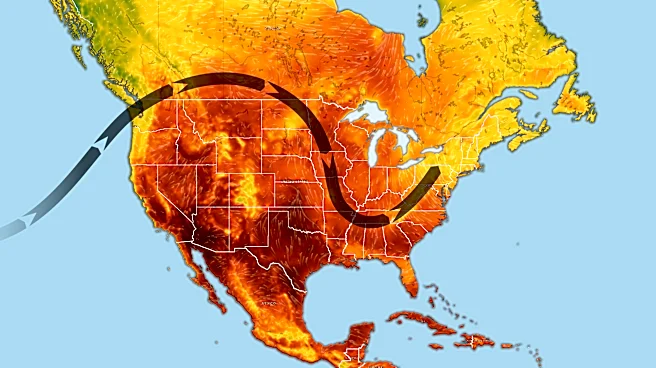
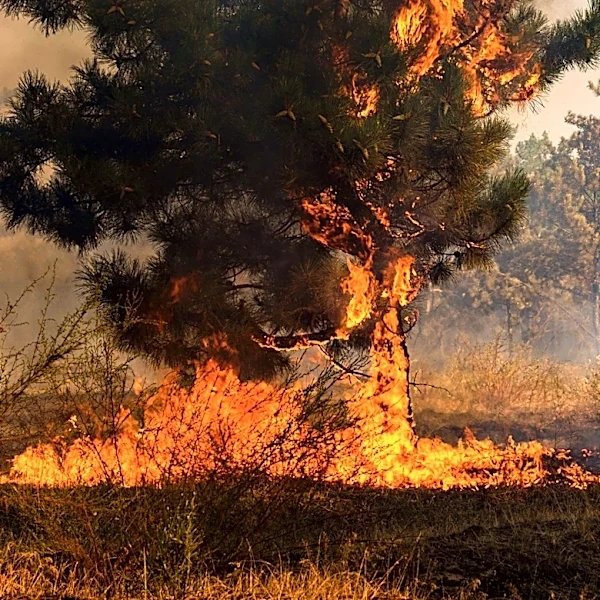
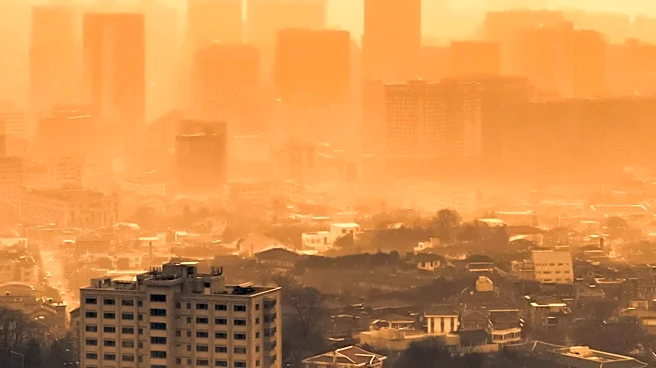
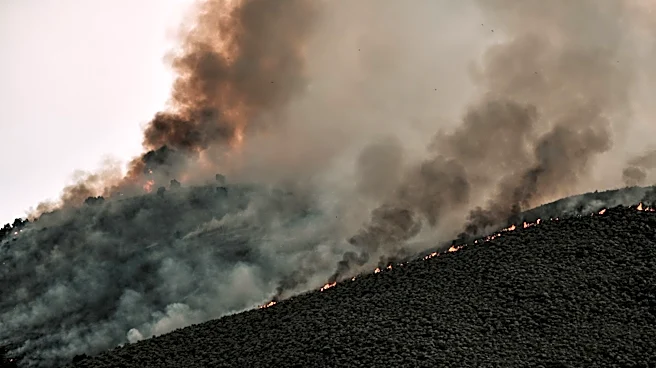
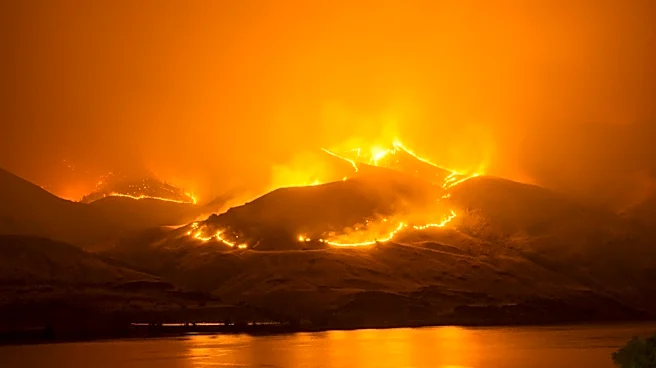
is set to expire on July 29, 2026. Wildfire smoke from Oregon is a significant contributor to the smoky conditions in Montana. The state is currently experiencing several active wildfires, with the Elder 1 Fire near Frenchtown and the Silvertip Fire in the Bob Marshall Wilderness being particularly notable. These fires have expanded rapidly due to unseasonably warm temperatures and low humidity. As of Tuesday morning, particulate levels in cities like Billings and Helena are considered unhealthy for sensitive groups, while other areas are experiencing moderate levels.
Why It's Important?
The air quality alert highlights the ongoing challenges posed by wildfires in the region, affecting public health and safety. Poor air quality can have significant health impacts, particularly for vulnerable populations such as children, the elderly, and those with pre-existing respiratory conditions. The situation underscores the broader environmental and public health issues associated with climate change and increased wildfire activity. The persistent smoke also affects visibility and outdoor activities, impacting daily life and potentially the local economy, particularly in sectors reliant on outdoor tourism and recreation.
What's Next?
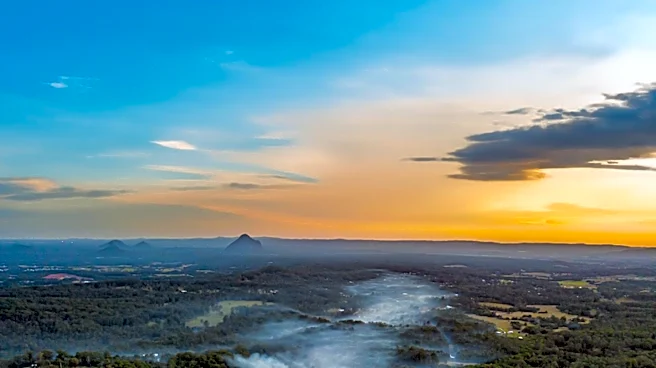
The forecast indicates that smoky conditions are likely to persist into early August, with no significant precipitation expected to alleviate the situation. The DEQ advises residents to monitor air quality levels and take precautions, such as staying indoors and using air purifiers, to protect their health. Firefighting efforts will continue, but the combination of high temperatures, low humidity, and gusty winds could exacerbate fire conditions. Residents are encouraged to stay informed through official channels and prepare for potential changes in air quality.