



What's Happening?
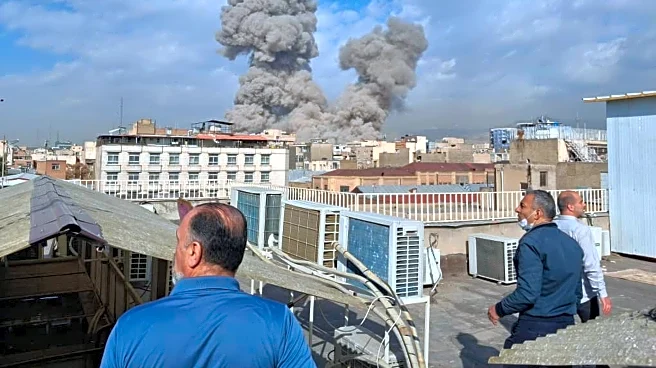
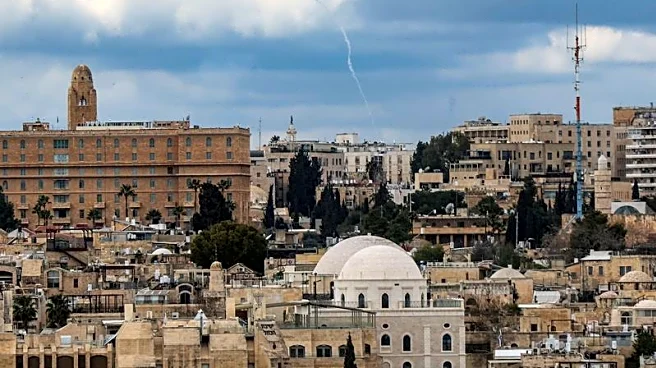
Marina Belyav, a 68-year-old resident of Tel Aviv, tragically passed away after experiencing shortness of breath during a rocket alert siren. The incident occurred as she was attempting to reach a designated shelter amid ongoing hostilities under Operation
Roaring Lion. Her daughter, Aya, recounted that Marina was anxious about the distance to the shelter, which was located on the next street. Despite efforts by emergency services and medical staff at Ichilov Hospital, Marina could not be revived. This incident highlights the severe impact of the conflict on civilians, particularly those with pre-existing health conditions.
Why It's Important?
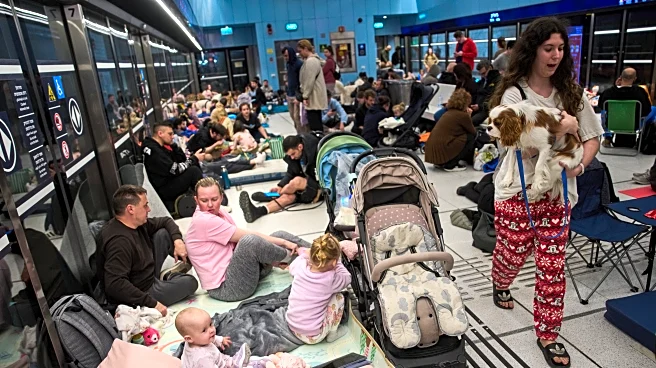
The death of Marina Belyav underscores the broader human toll of the ongoing conflict between Israel and Iran. It highlights the vulnerability of civilians, especially the elderly and those with health issues, during wartime. The situation raises concerns about the adequacy of emergency response measures and the accessibility of shelters for at-risk populations. The incident also points to the psychological and physical strain on civilians living under constant threat, emphasizing the need for comprehensive support systems to address both immediate and long-term health impacts.
What's Next?
In response to such incidents, there may be increased calls for improving the accessibility and safety of shelters, particularly for vulnerable groups. Health authorities might also emphasize the importance of having emergency medical supplies readily available. Additionally, there could be a push for enhanced public health messaging to ensure that individuals with chronic conditions are better prepared for emergencies. The ongoing conflict may lead to further scrutiny of civilian protection measures and potentially influence future policy decisions regarding emergency preparedness.
Beyond the Headlines
This tragic event highlights the intersection of health and security issues in conflict zones. It raises ethical questions about the responsibility of governments to protect vulnerable populations during wartime. The incident may also prompt discussions on the psychological impact of living in conflict areas and the need for mental health support. Long-term, this could lead to shifts in how emergency preparedness is integrated into public health strategies, particularly in regions prone to conflict.