




What's Happening?
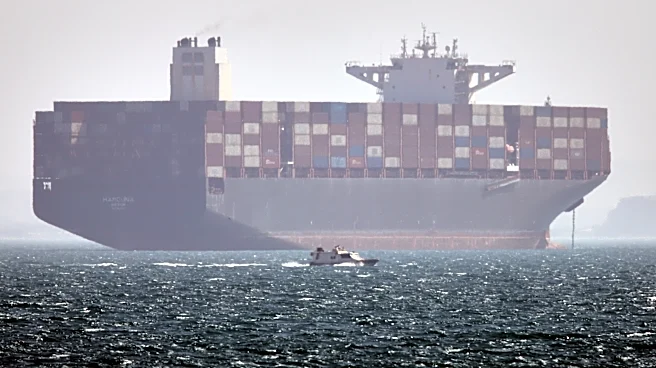
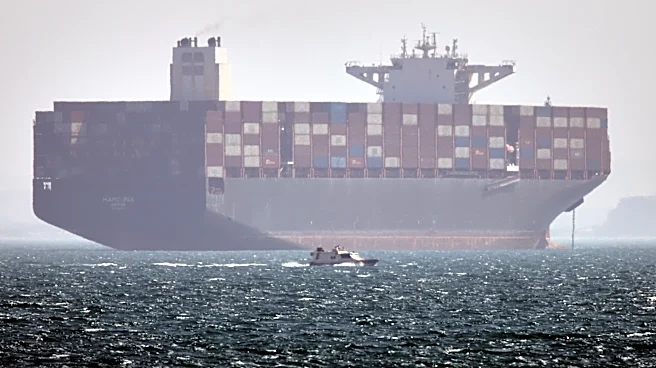
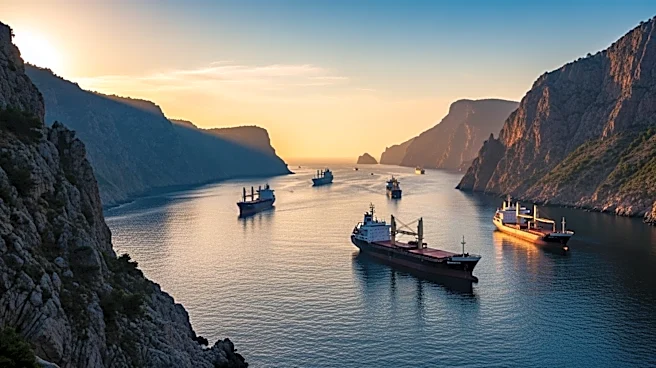
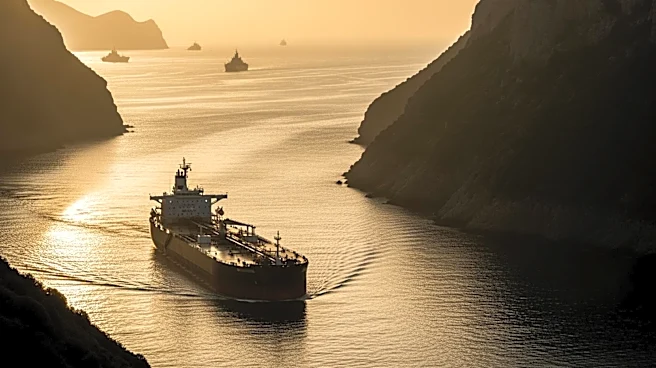
The U.S. military has initiated efforts to reopen the Strait of Hormuz, a critical global energy waterway, amid ongoing tensions with Iran. The U.S. reported sinking six Iranian boats and facilitating the passage of American-flagged merchant ships. The UAE,
a key U.S. ally, reported Iranian missile attacks, marking the first such aggression since a ceasefire began in April. The U.S. aims to counter economic disruptions caused by Iran's effective closure of the strait, which has led to increased global fuel prices.
Why It's Important?
Reopening the Strait of Hormuz is crucial for stabilizing global energy markets and reducing economic uncertainty. The strait's closure has significantly impacted oil and gas supplies, affecting countries reliant on Persian Gulf resources. The U.S. military's actions demonstrate a commitment to maintaining open trade routes, but also risk escalating military tensions with Iran. The situation underscores the geopolitical complexities of the region and the potential for conflict to disrupt international trade and energy security.
What's Next?
The U.S. will likely continue its efforts to secure the strait, potentially facing further Iranian resistance. Diplomatic negotiations may intensify as stakeholders seek to prevent a full-scale conflict. The international community will closely monitor the situation, with potential implications for global energy prices and regional stability. Shipping companies and insurers will assess the risks of navigating the strait, influencing global trade patterns.