









What's Happening?
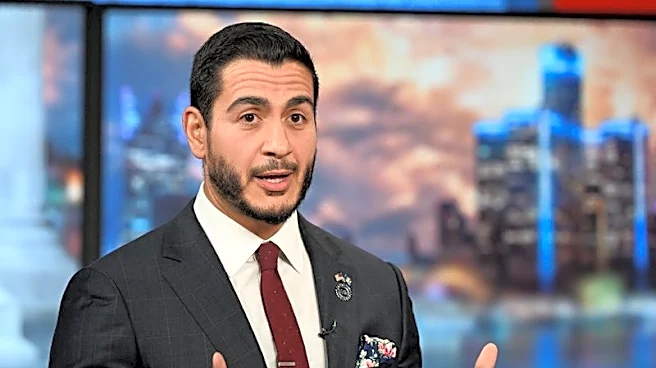
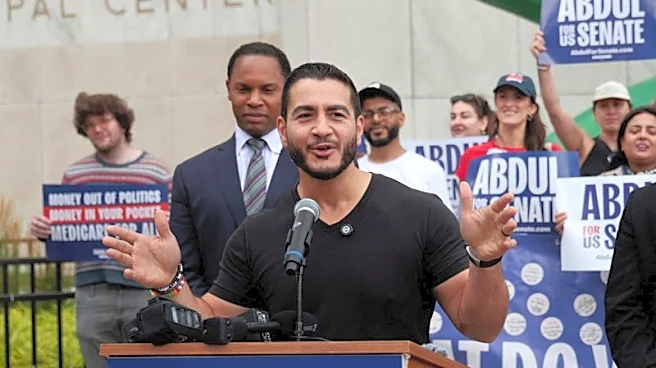
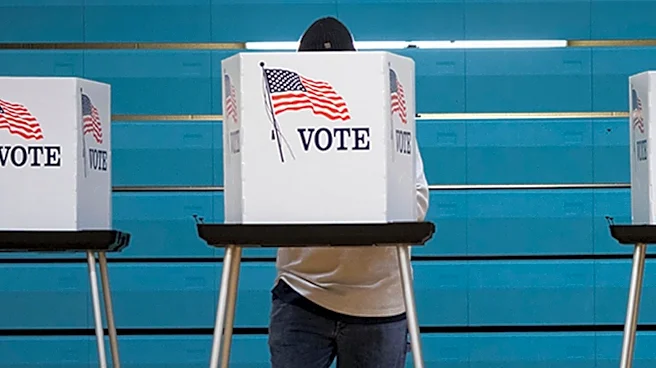
Michigan voters are heading to the polls for key primary races that could influence the control of Congress. The Democratic primary for the state's open Senate seat is a significant contest, with Dr. Abdul El-Sayed and Rep. Haley Stevens vying for the nomination.
The race has been marked by debates over U.S.-Israel relations, with El-Sayed criticizing Stevens for her support of weapons sales to Israel. In the gubernatorial race, Secretary of State Jocelyn Benson is leading the Democratic field, while Rep. John James, endorsed by President Trump, is a strong contender on the Republican side. Michigan's House races are also pivotal, with the 7th and 8th Districts being closely watched. In the 8th District, Democratic Rep. Kristen McDonald Rivet faces a challenge from Navy veteran Amir Hassan, who has Trump's backing.
Why It's Important?
These elections are crucial as they could reshape Michigan's political landscape and influence national politics. The Senate race is a proxy battle for the Democratic Party's future direction, with implications for U.S. foreign policy. The gubernatorial race could make history if John James becomes the first Black Republican governor. The House races, particularly in the 7th and 8th Districts, are critical for determining party control in Congress. The outcomes could affect legislative priorities and the balance of power in Washington, impacting policy decisions on issues like healthcare, education, and infrastructure.
What's Next?
As the primaries conclude, attention will shift to the general elections in November. The results will set the stage for potential shifts in party control at both the state and national levels. Candidates will likely intensify their campaigns, focusing on key issues to sway undecided voters. The Democratic and Republican parties will strategize to maximize their chances in the general elections, with potential implications for future legislative agendas and political dynamics.