




What's Happening?
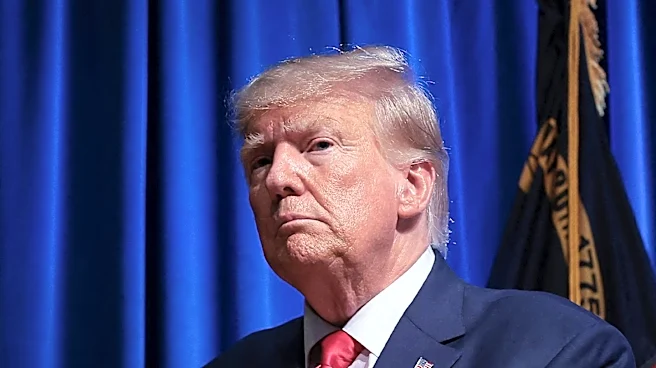
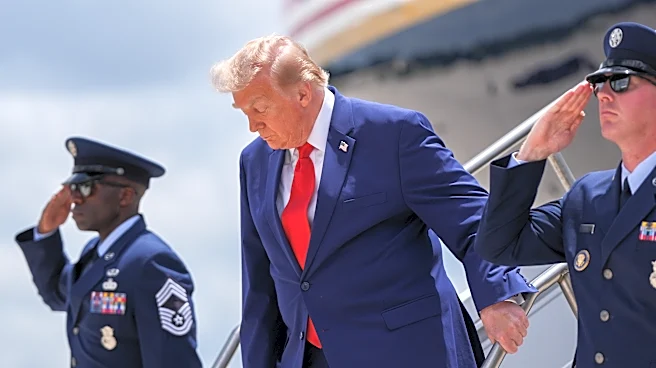
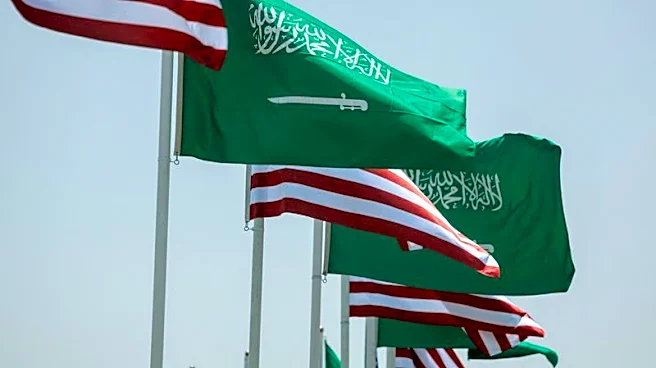
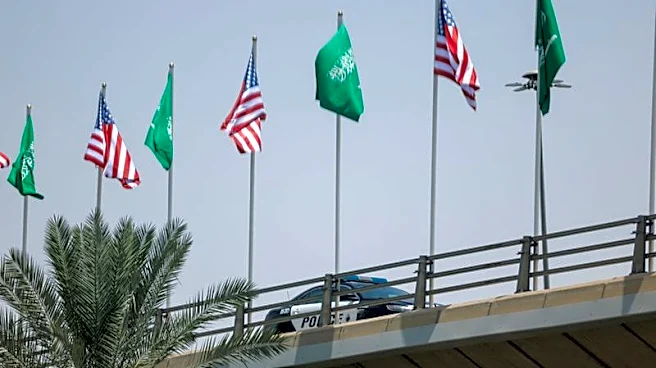
President Trump has announced that a nuclear deal with Saudi Arabia is contingent upon the kingdom recognizing Israel, a condition that was not previously disclosed. This development has thrown the agreement into uncertainty, as Saudi Arabia has historically
resisted normalizing relations with Israel without progress on Palestinian statehood. The deal, which aims to establish a civilian nuclear program in Saudi Arabia, was initially seen as a significant achievement for the kingdom. However, Trump's stipulation has raised concerns about the potential for a nuclear arms race in the region and the broader implications for Middle East peace.
Why It's Important?
Linking the nuclear deal to Israel recognition could have far-reaching consequences for U.S.-Saudi relations and the geopolitical landscape of the Middle East. The condition may hinder the progress of the Abraham Accords and complicate diplomatic efforts in the region. Additionally, the potential for nuclear proliferation raises security concerns, as it could trigger an arms race among Gulf states. The situation highlights the complexities of balancing diplomatic agreements with strategic interests and regional stability.
What's Next?
The deal will be submitted to Congress for review, where it may face opposition from lawmakers concerned about nuclear proliferation. Saudi Arabia's response to the new condition will be crucial in determining the future of the agreement. Diplomatic efforts may intensify to find a resolution that satisfies all parties involved. The international community will closely monitor the situation, as it could impact broader efforts to achieve peace and stability in the Middle East.