





What's Happening?
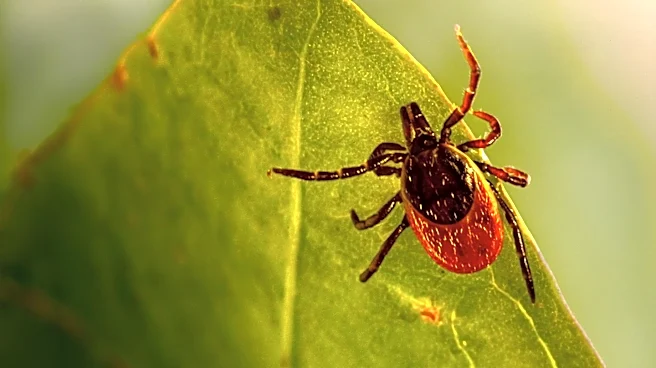
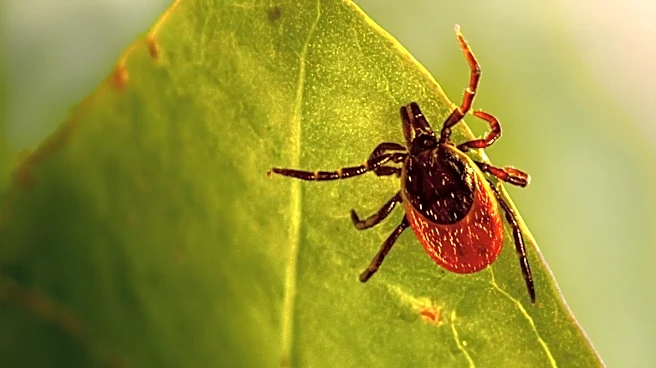
Inspira Health is raising awareness about Alpha-Gal Syndrome (AGS), a serious, potentially life-threatening tick-borne allergy primarily triggered in the U.S. by the bite of the lone star tick. AGS is caused by alpha-gal, a sugar found in most mammals
(like cows, pigs, sheep, and deer) but not in humans. When a lone star tick transfers alpha-gal into the bloodstream, the human immune system can develop an allergic reaction. Craig Bober, D.O., a primary care physician with Inspira Health, explains that not everyone bitten by a lone star tick develops the allergy, and the reasons for this are not yet clear. However, for those who do, subsequent exposure to alpha-gal in red meat (beef, pork, lamb, venison) can trigger symptoms. The New Jersey Department of Health began tracking AGS in 2022, reporting 234 cases, which more than doubled to 492 cases in 2025. Some of the highest counts were observed in South Jersey counties, including Atlantic, Cumberland, and Burlington. These numbers likely undercount actual cases due to voluntary reporting and increasing testing, but the trend indicates a growing concern. Symptoms of AGS can be delayed, appearing weeks to months after a tick bite, and reactions to red meat or dairy typically occur two to six hours after consumption, making the connection difficult to trace. Symptoms can include hives, itchy rash, nausea, vomiting, stomach pain, heartburn, diarrhea, dizziness, and in severe cases, anaphylaxis (throat, tongue, or lip swelling, trouble breathing, or a drop in blood pressure). Reactions can vary, and non-food products containing animal-derived ingredients, such as gelatin-coated medications, can also trigger symptoms.
Why It's Important?
The increasing prevalence of Alpha-Gal Syndrome (AGS) in New Jersey, as highlighted by Inspira Health, signifies a growing public health concern. This tick-borne allergy can severely impact individuals' quality of life, forcing significant dietary restrictions and posing a risk of life-threatening anaphylaxis. The delayed onset of symptoms and the time lag between consuming red meat and experiencing a reaction make AGS particularly challenging to diagnose, often leading to prolonged suffering and misdiagnosis. The rise in cases, especially in South Jersey, indicates a potential expansion of the lone star tick population or increased human exposure, necessitating greater public awareness and preventative measures. For the healthcare system, it means a need for increased physician education on AGS diagnosis and management. Economically, it could affect local meat industries if consumer habits shift due to fear of the allergy, though this impact is likely localized. The broader implication is the evolving landscape of tick-borne diseases and the need for continuous surveillance and public health campaigns to mitigate their impact on communities.
What's Next?
To address the rising cases of Alpha-Gal Syndrome (AGS), Inspira Health and other public health organizations will likely continue to emphasize public education on tick bite prevention. This includes advising individuals to stay on cleared trails, use EPA-approved insect repellents, wear permethrin-treated clothing, and conduct thorough tick checks after outdoor activities. Healthcare providers, including primary care physicians and allergists, will need to remain vigilant in diagnosing AGS through physical exams, detailed medical histories, and blood tests for alpha-gal antibodies. Patients diagnosed with AGS will be advised to avoid mammal meat, and potentially dairy, gelatin, and certain medications. Public health initiatives may focus on tracking tick populations and their geographic spread to better understand and predict areas of higher risk. Continued research into why some individuals develop AGS after a tick bite while others do not will be crucial for developing more targeted prevention and treatment strategies.
Beyond the Headlines
The surge in Alpha-Gal Syndrome cases in New Jersey points to a broader ecological shift potentially linked to climate change and habitat alterations, which can influence tick populations and their geographic distribution. This phenomenon highlights the intricate connection between environmental changes and human health, where shifts in vector ecology can introduce new or exacerbate existing health threats. The unique nature of AGS, an allergy to a common food source, also presents significant lifestyle challenges for affected individuals, requiring constant vigilance over diet and potential hidden ingredients in medications. This situation underscores the importance of a 'One Health' approach, integrating human health, animal health, and environmental health to effectively address complex public health challenges like tick-borne diseases. It also raises questions about food labeling and consumer awareness regarding ingredients that might contain alpha-gal, extending beyond just meat products.