




What's Happening?
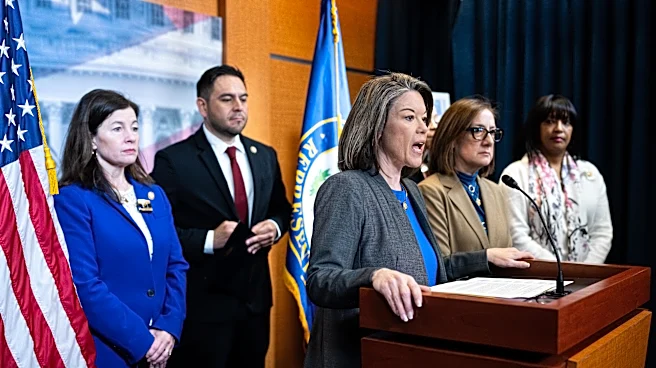
Representatives Doris Matsui (CA-07), Kathy Castor (FL-14), and Jay Obernolte (CA-23) have jointly introduced the Optimizing Networks for Distributed Energy Management and New Demand (ON-DEMAND) Act. This bipartisan legislation aims to reduce electricity
costs for consumers and enhance the reliability of the U.S. electric grid. The core of the bill focuses on promoting the broader adoption of virtual power plants (VPPs). It directs the U.S. Department of Energy (DOE) to establish standards, bolster consumer protections, and offer technical assistance to utilities, regulators, and grid operators. According to Congresswoman Matsui, the act will help lower utility bills by utilizing existing energy resources more intelligently, such as home batteries and smart appliances, to meet increasing electricity demand without escalating costs. Congresswoman Castor emphasized that the bill would enable communities to use rooftop solar, batteries, and smart appliances more safely and effectively, ensuring that the benefits of innovation reach consumers. Congressman Obernolte highlighted that VPPs offer an innovative solution to strengthen the electric grid and reduce energy costs for American families, and the ON-DEMAND Act will help remove barriers to their adoption.
Why It's Important?
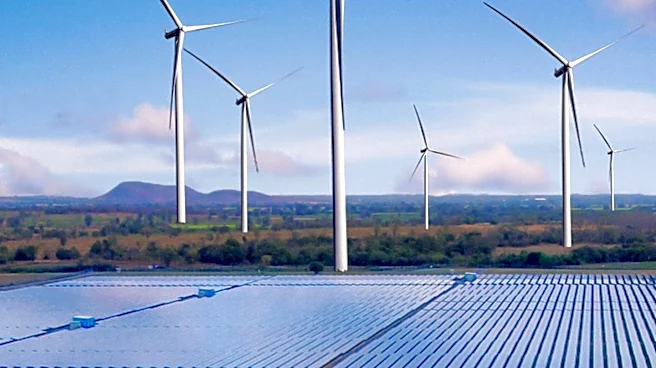
The introduction of the ON-DEMAND Act is significant for several reasons, primarily addressing the dual challenges of rising electricity costs and the need for a more resilient energy infrastructure in the U.S. By promoting virtual power plants, the legislation seeks to empower consumers with tools like smart thermostats, rooftop solar, and home batteries, which can collectively balance electricity supply and demand. This approach could lead to tangible savings for American households by optimizing energy use and reducing reliance on traditional, often more expensive, peak-demand generation. Furthermore, a modernized and flexible grid, supported by VPPs, is crucial for integrating renewable energy sources more effectively and ensuring energy security amidst growing demand. Organizations such as Advanced Energy United, NEMA, and Siemens USA have endorsed the bill, underscoring its potential to drive economic growth and enhance energy security. The legislation aims to eliminate hurdles to VPP deployment, which could usher in a new era of grid flexibility and affordability for all Americans.
What's Next?
The ON-DEMAND Act will now proceed through the legislative process in Congress. Its bipartisan support from Representatives Matsui, Castor, and Obernolte suggests a potential for broader appeal and consideration. The bill's directives for the U.S. Department of Energy to adopt standards, strengthen consumer protections, and provide technical assistance indicate that if passed, there will be a significant federal effort to facilitate the deployment of virtual power plants. Stakeholders, including utilities, energy regulators, and technology providers, will likely engage with the DOE to shape these standards and technical assistance programs. The endorsement from various industry groups and environmental organizations, such as the Environmental Defense Fund and Sierra Club, indicates a wide range of support that could influence its progression. The next steps will involve committee hearings, potential amendments, and votes in both the House and Senate, with the ultimate goal of becoming law to modernize America's electric grid and lower energy costs.
Beyond the Headlines
Beyond the immediate goal of lowering electric bills and strengthening the grid, the ON-DEMAND Act touches upon deeper implications for the future of energy consumption and infrastructure in the U.S. The emphasis on virtual power plants represents a shift towards a more decentralized and consumer-centric energy model. This could lead to greater energy independence for households and communities, reducing their vulnerability to large-scale grid failures or price fluctuations. Ethically, the bill promotes equitable access to advanced energy technologies, ensuring that the benefits of innovation reach all Americans, not just those in specific regions or income brackets. Culturally, it could foster a greater awareness and adoption of sustainable energy practices at the individual and community levels. In the long term, widespread VPP deployment could accelerate the transition to a cleaner energy economy, significantly reducing carbon emissions and contributing to climate change mitigation efforts, while also creating new economic opportunities in the advanced energy sector.