




What's Happening?
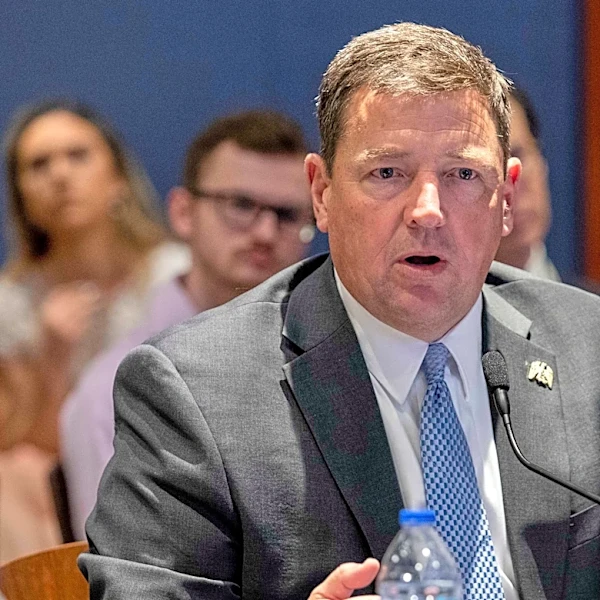
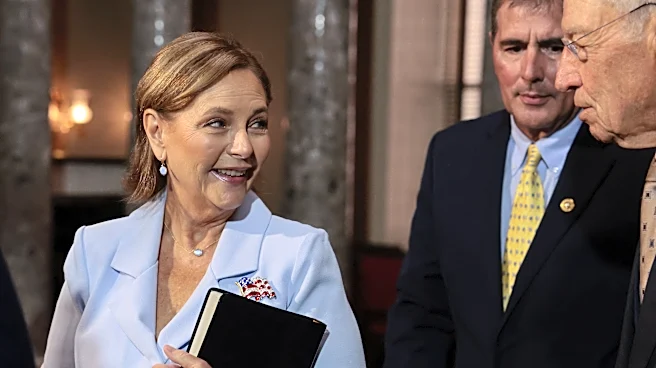
President Trump is heading to South Carolina to campaign for Darline Graham, his endorsed candidate in the Republican primary runoff for the U.S. Senate. Graham is seeking to succeed her late brother, Senator Lindsey Graham. Voters in South Carolina will
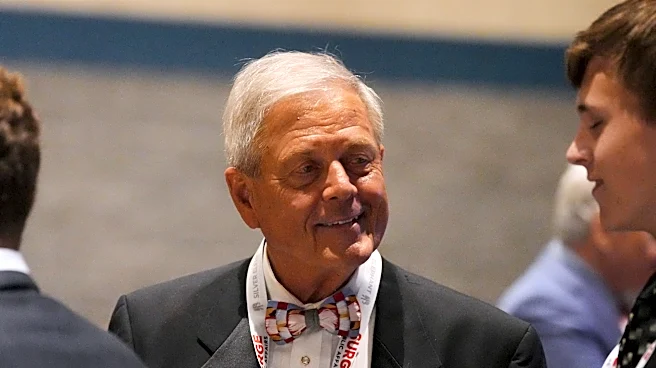
decide between Darline Graham and Representative Ralph Norman in the upcoming Tuesday election. This campaign stop is a rare appearance for President Trump on the trail this year, highlighting the importance he places on securing a victory for his preferred candidate. Governor Henry McMaster, an ally of President Trump, named Darline Graham as interim senator following her brother's death, and she entered the special primary at President Trump's strong urging. President Trump publicly backed her on social media with 'RUN DARLINE, RUN' and granted her his 'Complete and Total Endorsement.'
Why It's Important?
This event is significant for several reasons. Firstly, President Trump's direct involvement in a primary runoff underscores his continued influence within the Republican Party and his commitment to shaping its future. A victory for Darline Graham would be a testament to President Trump's endorsement power and could further solidify his role as a kingmaker in Republican politics. Secondly, the South Carolina Senate seat is crucial for maintaining Republican control in Congress, especially as midterm elections approach. South Carolina has a strong Republican lean, and President Trump's presence aims to energize his base in a rapidly expanding, conservative area. Thirdly, the race carries personal resonance for President Trump, who considered Lindsey Graham a close friend. Supporting Darline Graham is framed as a tribute to his former golfing partner, adding an emotional layer to the political endorsement. Lastly, Darline Graham's campaign strategy, emphasizing her commitment to President Trump's agenda and her 'not a politician' persona, reflects a broader trend within the Republican Party where alignment with President Trump's priorities is a key factor for electoral success.
What's Next?
Voters in South Carolina will cast their ballots on Tuesday to determine whether Darline Graham or Representative Ralph Norman secures the Republican nomination. President Trump's rally in Myrtle Beach is a final push to sway voters in Graham's favor. The outcome of this primary runoff will be closely watched as an indicator of President Trump's continued influence and the effectiveness of his endorsements. If Graham wins, it will likely be seen as a victory for President Trump and his agenda. If Norman prevails, it could suggest a limit to President Trump's endorsement power in certain races. Regardless of the outcome, the election will set the stage for the general election in November, with the Republican nominee facing the Democratic challenger. The results will also provide insights into the dynamics of the Republican Party in South Carolina and potentially influence future campaign strategies for candidates seeking President Trump's backing.
Beyond the Headlines
The South Carolina Senate primary runoff, with President Trump's active involvement, highlights deeper implications regarding the evolving nature of political leadership and candidate selection within the Republican Party. Darline Graham's campaign, positioning herself as a political newcomer 'answering President Trump’s call to serve' and prioritizing his agenda, reflects a broader trend where personal loyalty and alignment with a specific political figure can outweigh traditional political experience. Her candid admission that 'National security is not my thing' after stumbling on a foreign policy question, yet still receiving President Trump's unwavering support, suggests a shift in what is valued in a political candidate by a segment of the electorate. This scenario raises questions about the role of policy expertise versus populist appeal and personal connection to a powerful figure. The race also underscores the enduring legacy of the Graham family in South Carolina politics and the complex interplay between personal relationships and political endorsements at the highest levels. The outcome could further entrench the idea that a direct endorsement from President Trump is a powerful, if not decisive, factor in Republican primaries, potentially shaping the future composition of Congress.