
What's Happening?
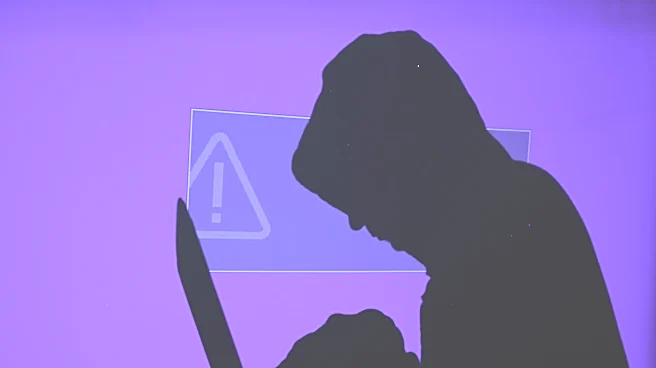
A coordinated cyberattack has disrupted water and wastewater utilities in more than 30 communities across Minnesota. The state's technology agency, Minnesota Information Technology Services, is leading
the response, working with local and federal agencies to contain and investigate the attack. The cyberattack affected the computerized operating systems of water plants, causing temporary outages. The agency is providing guidance and support to affected utilities to remediate damages. The attack highlights vulnerabilities in the U.S. water infrastructure, which consists of a vast network of systems, many of which are small and lack resources to defend against cyber threats.
Why It's Important?
The cyberattack underscores the critical need for improved cybersecurity measures in the water sector, which is essential for public health and safety. With many water systems lacking adequate defenses, the attack exposes significant vulnerabilities that could have severe consequences if not addressed. The incident also highlights the importance of coordinated government responses to protect critical infrastructure from cyber threats. As cyberattacks become more sophisticated, there is an urgent need for utilities to update their risk assessments and emergency response plans to prevent future disruptions.
What's Next?
Minnesota's response efforts will continue as agencies work to fully assess the impact of the attack and implement measures to prevent future incidents. The situation may prompt increased investment in cybersecurity for water utilities and a reevaluation of current regulations to ensure compliance with safety standards. The attack could also lead to broader discussions about the role of federal and state governments in supporting critical infrastructure protection and the need for public-private partnerships to enhance cybersecurity resilience.