


What's Happening?
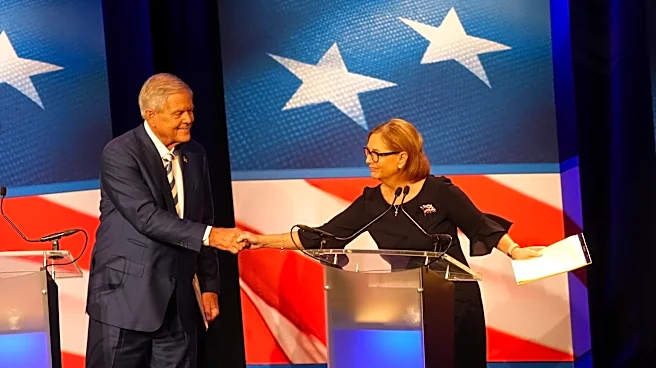
A new report from the Washington Examiner indicates that former Democrat Congresswoman Elaine Luria, who is now challenging Republican Congresswoman Jen Kiggans, did not fulfill her previous promise to move to Virginia's Second Congressional District.
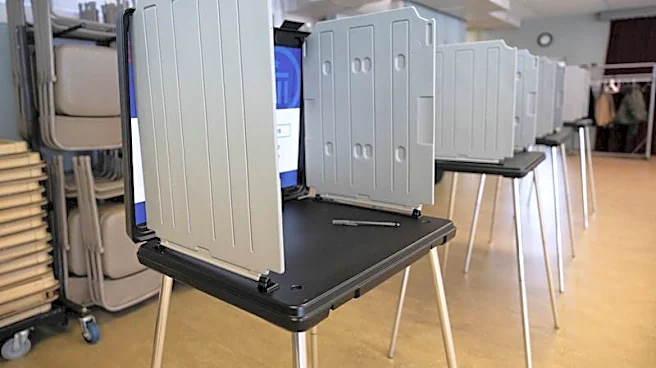
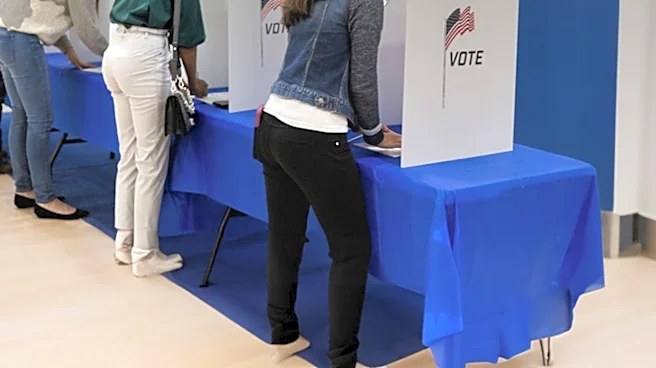
This claim has drawn criticism from the National Republican Congressional Committee (NRCC). According to NRCC Spokesman Reilly Richardson, Luria is accused of making false promises to Virginians for personal gain. The report also highlights an incident on primary day where Luria faced questions on camera about her inability to vote for herself, leading residents of the Second District to question her commitment to the area. This development comes as Luria seeks to regain her seat in Congress.
Why It's Important?
This report is significant as it raises questions about a candidate's credibility and connection to the constituents they aim to represent. For voters, a candidate's residency and commitment to living within their district can be a crucial factor in determining their authenticity and understanding of local issues. Allegations of breaking such promises can erode trust and influence voter perception, potentially impacting the outcome of the congressional race. The NRCC's strong reaction suggests that this issue will likely be used as a campaign point against Luria, framing her as disconnected from the district's residents. Such accusations can shift the narrative of a political campaign, moving focus from policy debates to questions of personal integrity and accountability.
What's Next?
The allegations are likely to become a prominent feature in the ongoing political campaign between former Congresswoman Luria and Congresswoman Kiggans. The NRCC and other Republican entities will likely continue to highlight this report to challenge Luria's credibility and commitment to the Second Congressional District. Luria's campaign will need to address these claims, either by refuting them, providing clarification, or attempting to redirect the conversation back to policy issues. Voters in the Second District will be evaluating these claims as they consider their choices for the upcoming election. The issue could also prompt further media scrutiny and investigations into the residency claims, potentially influencing public opinion as the election cycle progresses.
Beyond the Headlines
Beyond the immediate political implications for the current election cycle, this situation touches on broader themes of political accountability and the expectations placed on elected officials. The promise of residency often serves as a symbolic gesture of a candidate's dedication to their constituents and their understanding of local concerns. When such promises are perceived as broken, it can contribute to a general sense of distrust in political figures and institutions. This incident may also spark discussions about the importance of transparency in political campaigns and the criteria voters use to assess a candidate's suitability for office. It underscores the idea that voters often look beyond policy positions to evaluate a candidate's character and perceived authenticity, which can be heavily influenced by their personal connection to the community they seek to represent.