







What's Happening?
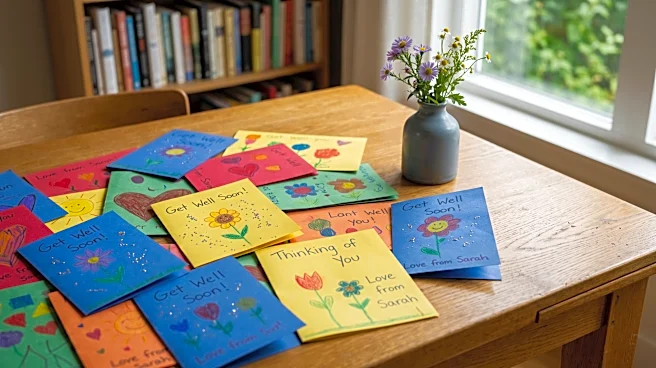
Students from Merritt Academy in Woodland Park, Colorado, delivered over 250 get-well cards to Ed Beck, a 101-year-old veteran of World War II and the Korean War. Beck recently suffered serious injuries from two falls, including seven cracked ribs, a cracked elbow,
a cracked hip, and a mild heart attack. Mark Schaefer, a longtime friend of Beck and a teacher at Merritt Academy, initiated the card-writing campaign with a coworker. Students from kindergarten through 12th grade participated, with older students personally delivering the cards to Beck's home in Southeast Colorado Springs. Beck, who joined the Army in 1944 at age 18, fought in the Battle of the Bulge, was a prisoner of war, and later served in Korea, helping push North Koreans back to the Chinese border. The cards have significantly uplifted Beck and sparked conversations about history among the students, who had the opportunity to meet a primary source of historical events.
Why It's Important?
This heartwarming gesture highlights the profound impact of community support on veterans, particularly those of advanced age who have served in significant conflicts. For Ed Beck, receiving hundreds of cards from students provides immense emotional comfort and recognition for his sacrifices, aiding his recovery from serious injuries. For the students, this initiative offers a unique educational experience, connecting them directly with living history. Meeting a veteran like Beck, who fought in World War II and the Korean War, provides a tangible link to historical events that are often only read about in textbooks. This interaction fosters a deeper understanding of patriotism, sacrifice, and the human cost of war, instilling valuable lessons in empathy and civic duty. It also underscores the importance of honoring and remembering veterans, ensuring their stories and contributions are not forgotten by future generations.
What's Next?
Mark Schaefer hopes that Beck's story will reach a wider audience, encouraging more people across the United States and even worldwide to send cards and letters to cheer him up. This could lead to a broader outpouring of support for Beck, further boosting his morale during his recovery. The success of this initiative may also inspire other schools and communities to organize similar outreach programs for elderly veterans in their areas, fostering intergenerational connections and historical appreciation. The story serves as a powerful reminder of the dwindling number of World War II veterans, emphasizing the urgency of capturing and sharing their experiences. Educational institutions might integrate such veteran outreach programs into their curriculum to provide ongoing, impactful learning opportunities for students.
Beyond the Headlines
Beyond the immediate act of kindness, this story touches on deeper societal themes of gratitude, historical memory, and the role of community in supporting its most vulnerable members. In an increasingly digital world, the act of writing and delivering physical cards carries significant symbolic weight, representing a personal and tangible connection. It also highlights the unique value of oral history and direct interaction with historical figures, which can bring history to life in ways that textbooks cannot. The students' engagement with Beck's experiences, including his time as a POW, can foster critical thinking about conflict, resilience, and human dignity. This initiative serves as a powerful counter-narrative to societal trends that sometimes overlook the elderly or the contributions of past generations, reinforcing the idea that honoring history is a collective responsibility that enriches both the past and the future.