
What's Happening?
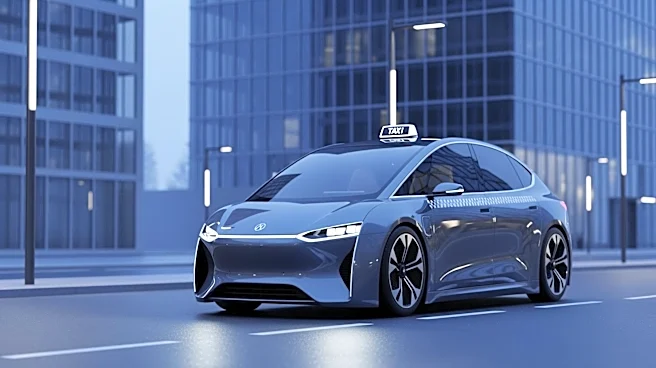
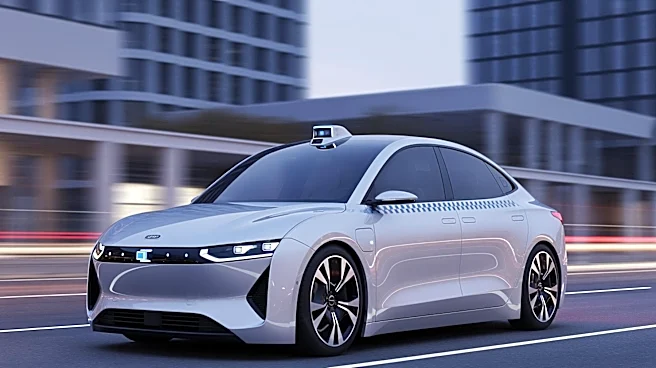
Europe is advancing its adoption of self-driving taxis with several trials set to launch across the continent. In Croatia, Pony.ai, in collaboration with Uber and Croatian startup Verne, has begun operating
approximately 10 robotaxis in Zagreb. London will see trials from Waymo, Wayve, and Apollo Go, while Madrid will host a test by WeRide in partnership with Uber. Munich will also deploy robotaxis using technology from Momenta. Additionally, Switzerland is running a pilot program with Apollo and Swiss Post. These initiatives are part of a broader global trend, with companies like Waymo and Apollo already operating thousands of driverless taxis in the United States and China. The European Union is poised to accelerate the process by adopting a 'testbed' approach, simplifying the regulatory framework for autonomous vehicle testing across member states.
Why It's Important?
The expansion of self-driving taxi trials in Europe signifies a significant shift in the global ride-hailing industry. This development could lead to increased competition among major players like Uber, Lyft, and Bolt, who often partner in such projects. The move also highlights the growing influence of Chinese companies like Pony.ai and WeRide in the global market. As Europe accelerates its regulatory processes, it may catch up with the United States and China, where the deployment of robotaxis is already more advanced. This could lead to a more competitive landscape, potentially driving down costs and increasing accessibility for consumers. Additionally, the integration of autonomous vehicles could have significant implications for urban planning and public transportation systems.
What's Next?
As European transport ministers prepare to make the 'testbed' approach official, companies involved in the trials will likely ramp up their operations. This could lead to further partnerships and collaborations between tech companies and traditional automakers. The success of these trials may influence other regions to adopt similar regulatory frameworks, potentially accelerating the global rollout of self-driving taxis. Stakeholders, including government agencies and public transportation authorities, will need to address challenges related to safety, infrastructure, and public acceptance. The outcome of these trials could also impact future policy decisions regarding the integration of autonomous vehicles into existing transportation networks.