


What's Happening?
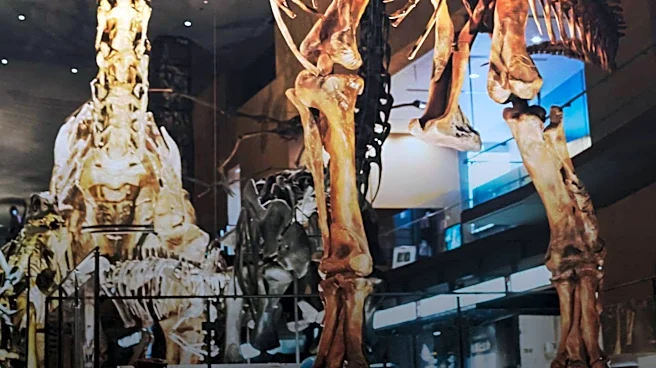
The Smithsonian Institution, a prominent museum and research complex in Washington, D.C., is facing scrutiny following a new executive order signed by President Trump. The order mandates the installation of signs outside the Smithsonian National Museum
of American History to warn visitors about alleged inaccuracies in its exhibits. This move is part of a broader effort by President Trump to reshape the narrative of American history, which he claims has been ideologically captured. The executive order follows a report from the White House Domestic Policy Council, which accused museum leaders of promoting a radical view of American history. The Smithsonian's exhibits aim to explore the diverse experiences that have shaped the nation, including those of African-Americans, women, Latinos, people with disabilities, and 2SLGBTQ+ communities.
Why It's Important?
This development is significant as it highlights ongoing debates about how American history is presented and interpreted. The executive order reflects President Trump's broader political strategy to influence cultural and historical narratives, which has been a contentious aspect of his administration. The Smithsonian Institution, as a key cultural and educational entity, plays a crucial role in shaping public understanding of history. The order could impact how history is taught and perceived, potentially affecting educational content and public discourse. Critics argue that such actions could lead to a politicization of historical narratives, while supporters may view it as a necessary correction of perceived biases.
What's Next?
The Smithsonian Institution may face challenges in balancing the executive order with its mission to provide comprehensive and inclusive historical narratives. The response from the museum's leadership and the broader academic and cultural communities will be critical in determining the future direction of its exhibits. There may be legal and public debates about the implications of the order, and how it aligns with the institution's educational goals. Additionally, the order could prompt discussions about the role of government in influencing cultural institutions and the potential consequences for historical scholarship.