


What's Happening?
International Medical Corps, a global humanitarian nonprofit organization, continues to expand its health care training and relief programs in underserved communities worldwide. Established in 1984 by volunteer doctors and nurses, the organization focuses
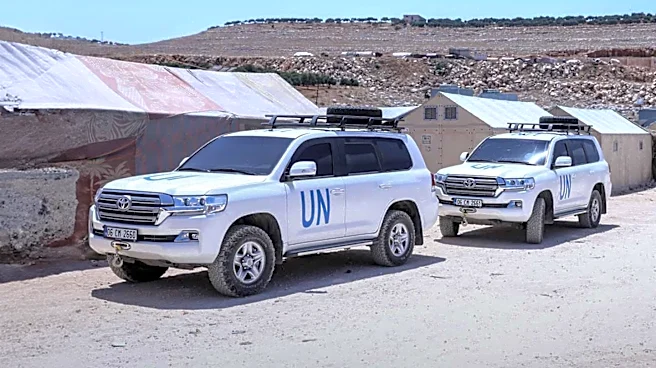
on improving the quality of life through health interventions and building local capacity. It operates in various regions, including South Sudan, Jordan, Syria, and the Democratic Republic of the Congo, providing medical assistance to those at the highest risk. The organization is known for its rapid response to emergency situations, rehabilitating devastated health care systems, and helping them achieve self-reliance. Currently, International Medical Corps is active in several areas within South Sudan, including Pigi Canal Jonglei State, Akobo, Malakal, and others.
Why It's Important?
The work of International Medical Corps is crucial in regions where health care systems are either non-existent or severely damaged due to conflict or natural disasters. By focusing on training local populations and providing immediate medical assistance, the organization helps build sustainable health care infrastructures. This approach not only addresses immediate health crises but also empowers communities to manage their health needs independently in the long term. The organization's efforts contribute to global health security by preventing the spread of diseases and reducing the burden on international health systems.
What's Next?
International Medical Corps is likely to continue its expansion into other crisis-affected regions, adapting its programs to meet the specific needs of each community. The organization may also increase its focus on safeguarding vulnerable populations from exploitation and abuse, ensuring that its interventions are both effective and ethical. As global health challenges evolve, International Medical Corps will need to maintain its flexibility and responsiveness to new emergencies.
Beyond the Headlines
The organization's commitment to building local capacity highlights a shift in humanitarian aid towards more sustainable and empowering models. By training local health workers and involving communities in crisis response, International Medical Corps not only addresses immediate health needs but also fosters resilience and self-reliance. This approach may serve as a model for other humanitarian organizations seeking to create lasting change in crisis-affected regions.