

What's Happening?
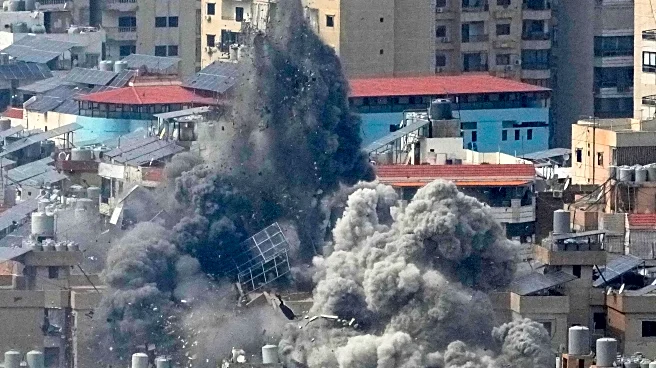
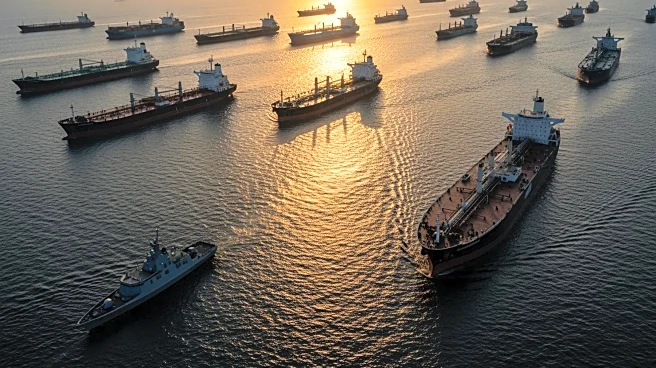
The ongoing conflict in the Gulf, intensified by Operation Epic Fury, has severely disrupted maritime traffic, particularly through the Strait of Hormuz. This strategic chokepoint has seen a collapse in commercial tanker traffic due to strikes, threats,
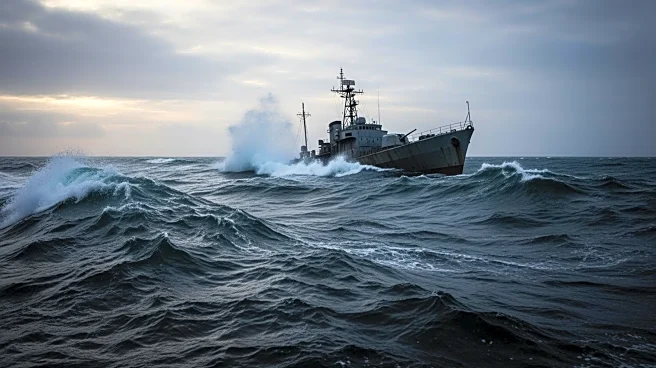
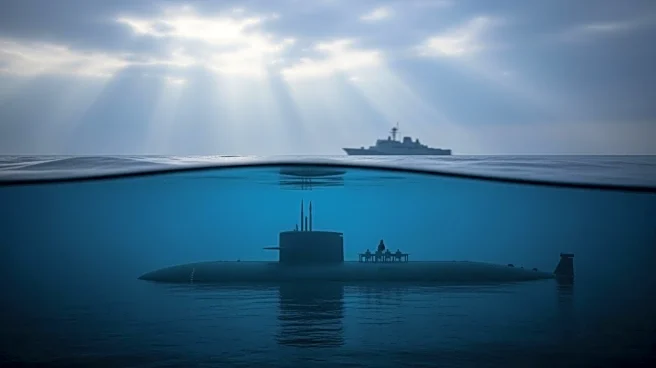
and the withdrawal of insurance, forcing operators to avoid the corridor. Since the conflict began, at least eight commercial vessels have been attacked in the Gulf, Gulf of Oman, and nearby waters. Additionally, over 1,100 vessels have experienced GPS and AIS interference, affecting navigational reliability. As a result, there has been a significant increase in diversion traffic around the Cape of Good Hope, while activity in the Red Sea and Suez Canal has fluctuated. Major Gulf ports, including Jebel Ali and Khalifa, are experiencing rising disruption indicators. The conflict has also expanded geographically, with a U.S. submarine sinking the Iranian frigate IRIS Dena near Sri Lanka, extending risks into the Indian Ocean.
Why It's Important?
The disruption in the Gulf has significant implications for global energy markets, as the region is a critical hub for oil and gas exports. The collapse of tanker traffic through the Strait of Hormuz, a vital passage for a substantial portion of the world's oil supply, has led to a sharp drop in Gulf oil cargo departures. This has caused stress in energy markets, with potential supply shortages affecting major importers, including India. The conflict's expansion into the Indian Ocean further exacerbates these risks, potentially leading to broader economic impacts. The situation highlights the vulnerability of global energy supply chains to geopolitical tensions and the importance of securing alternative routes and sources.
What's Next?
As the conflict continues, stakeholders in the maritime and energy sectors are likely to seek alternative routes and strategies to mitigate the impact of the disruptions. This may include increased reliance on the Cape of Good Hope for shipping routes and heightened security measures for vessels operating in the region. Additionally, there may be diplomatic efforts to de-escalate the conflict and restore stability to the Gulf. Energy markets will closely monitor developments, with potential price fluctuations and supply adjustments as the situation evolves.
Beyond the Headlines
The conflict underscores the strategic importance of the Strait of Hormuz and the broader Gulf region in global energy security. It also raises questions about the resilience of international supply chains in the face of geopolitical instability. The increased spoofing activity and navigational interference highlight the growing role of cyber and electronic warfare in modern conflicts, posing new challenges for maritime security. The situation may prompt a reevaluation of global energy policies and the need for diversified energy sources to reduce dependency on vulnerable regions.