




What's Happening?
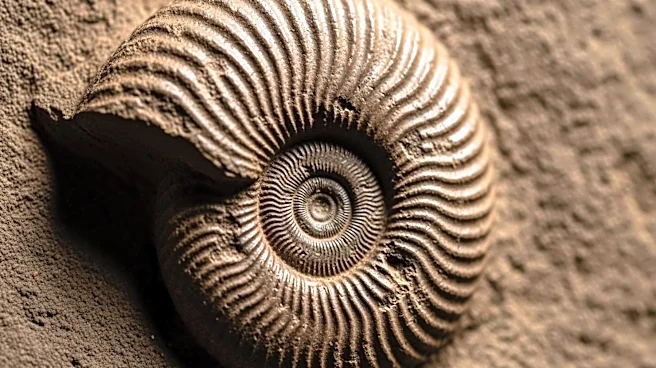
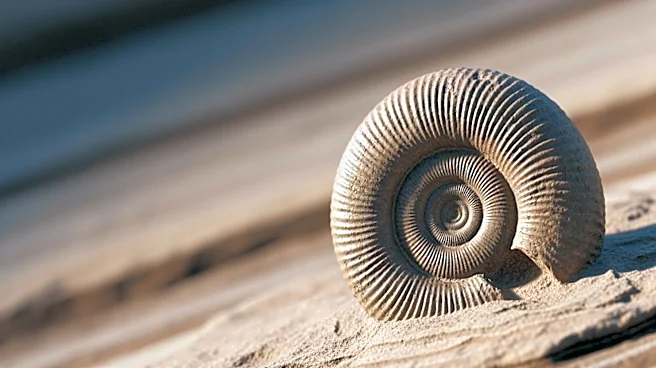
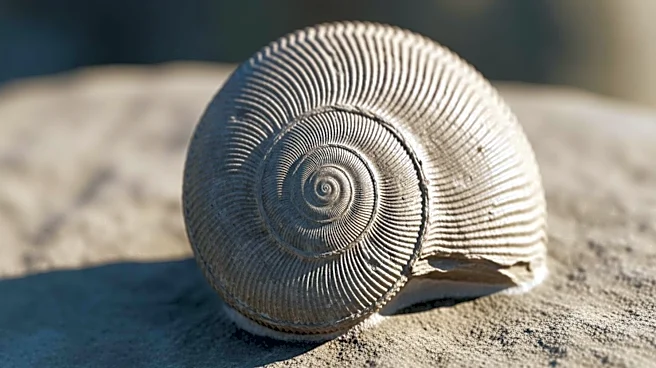
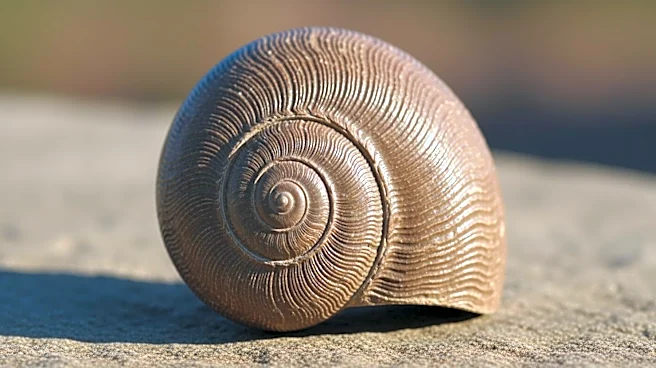
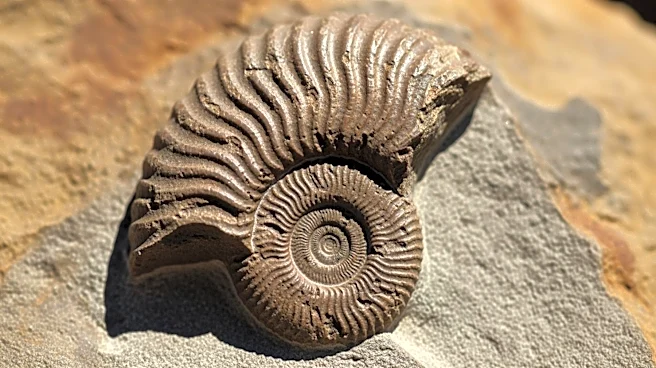
A 300-million-year-old fossil, previously thought to be the world's oldest octopus, has been reclassified as a nautilus relative. The fossil, named Pohlsepia mazonensis, was found near Chicago, Illinois, and has puzzled scientists for years due to its
octopus-like appearance. Recent studies using advanced imaging techniques revealed anatomical features inconsistent with octopus anatomy, such as a radula with 11 teeth per row, leading to its reclassification. This discovery was made possible by new technologies like synchrotron imaging, which provided detailed insights into the fossil's structure.
Why It's Important?
This reclassification challenges previous assumptions about the evolutionary timeline of octopuses, suggesting they may have appeared much later than previously thought. The use of advanced imaging techniques highlights the evolving nature of paleontological research, allowing scientists to revisit and refine historical findings. This discovery not only reshapes our understanding of cephalopod evolution but also demonstrates the potential of new technologies to uncover hidden details in ancient fossils, potentially leading to further breakthroughs in the field.