



What's Happening?
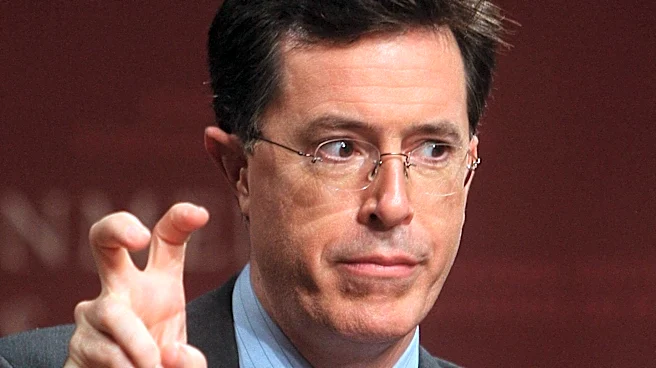
Stephen Colbert, host of 'The Late Show with Stephen Colbert,' and renowned cellist Yo-Yo Ma were accused of crossing a picket line set up by the Harvard Graduate Students Union (HGSU) during an event at Harvard University. The event, titled 'Arts for
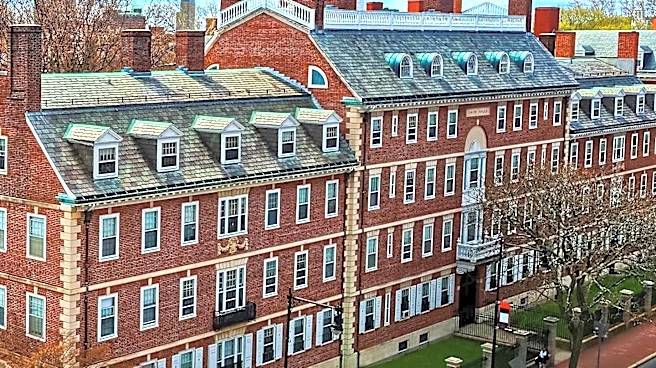
Life's Sake,' was abruptly cut short approximately 40 minutes in by a fire alarm, forcing an evacuation. The HGSU, which has been on strike since October 27, had urged Colbert and Ma to cancel, postpone, or relocate their appearance in solidarity with their demands for better pay and working conditions. Approximately 50 union protesters demonstrated outside the Sanders Theatre, chanting and beating drums. The union denied any involvement in pulling the fire alarm, stating it was unrelated to their picketing activity and that they had no knowledge of its cause. The HGSU is seeking annual pay of $55,000 for research assistants and $45,000 for teaching fellows, along with 3% annual raises, an independent grievance process for harassment and discrimination, and protections for non-citizen workers.
Why It's Important?
This incident highlights the ongoing tensions between academic institutions and their graduate student workers, particularly concerning labor rights and compensation. The HGSU's demands for higher wages, improved working conditions, and stronger protections against harassment and discrimination reflect a broader national trend of increased unionization efforts and labor activism within universities. The involvement of high-profile figures like Stephen Colbert and Yo-Yo Ma draws significant public attention to these issues, potentially influencing public opinion and putting pressure on Harvard University to address the union's concerns. For Colbert, who publicly supported the 2023 Hollywood writers' strike, the accusation of crossing a picket line raises questions about consistency in his stance on labor solidarity. The disruption of a public event by a fire alarm, regardless of its cause, underscores the volatile nature of labor disputes and their potential to impact various aspects of university life and public engagements.
What's Next?
The immediate next steps involve investigations into the cause of the fire alarm, though the union has denied involvement. The Harvard Graduate Students Union will likely continue its strike and negotiations with Harvard University, maintaining pressure for their demands to be met. The incident may lead to further discussions and debates within the university community and among the public regarding the rights of striking workers and the responsibilities of public figures during labor disputes. It remains to be seen if Colbert or Ma will issue statements regarding the accusations or if the event will be rescheduled. The actions of author John Green, who moved his scheduled Harvard appearance online and donated proceeds to the union to avoid crossing the picket line, could serve as a precedent for other public figures invited to campus during the strike.
Beyond the Headlines
The incident at Harvard transcends a simple labor dispute, touching upon the ethical considerations of public figures' involvement in strikes and the broader societal implications of economic inequality within academic institutions. The HGSU's specific demands, such as an independent grievance process for harassment and discrimination and protections for sensitive immigration documents, highlight systemic issues beyond just wages, pointing to a need for comprehensive reforms in how universities treat their graduate student workforce. The accusation against Colbert, a known supporter of labor, underscores the complexities and nuances of solidarity, where intentions and actions can be perceived differently by various stakeholders. This event could contribute to a growing national conversation about the role of unions in higher education and the balance between academic freedom, institutional operations, and worker rights, potentially influencing future labor relations across U.S. universities.