
What's Happening?
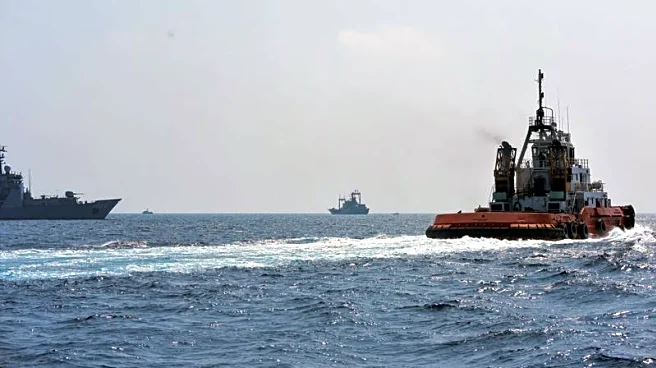
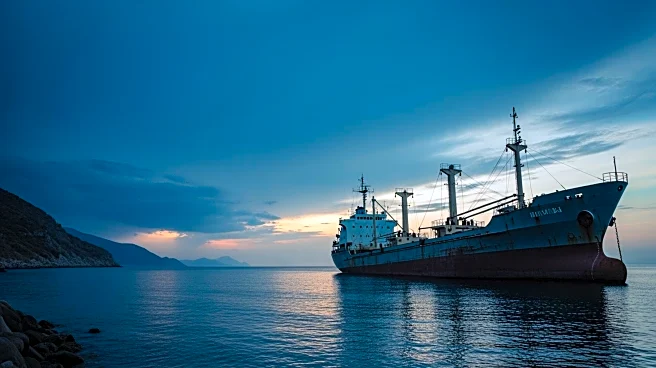
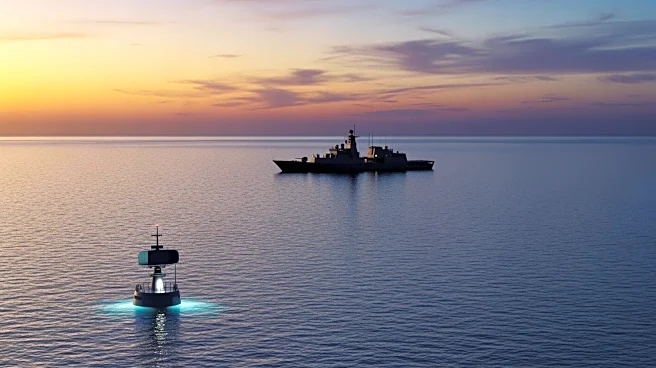
The Sri Lankan government has taken control of the Iranian supply ship IRIS Bushehr after it sought refuge in Colombo. The decision was made as a humanitarian effort, with President Anura Kumara Dissanayake emphasizing Sri Lanka's neutral stance in the ongoing
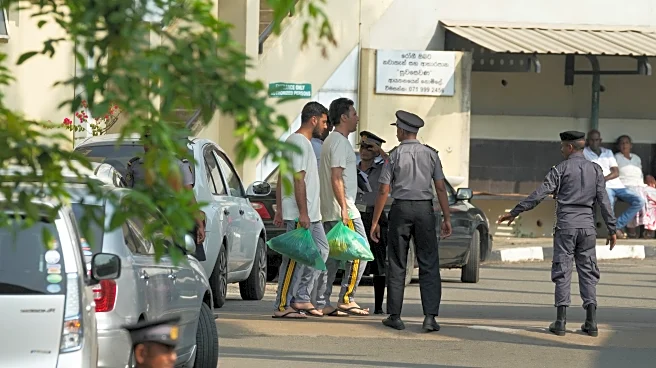
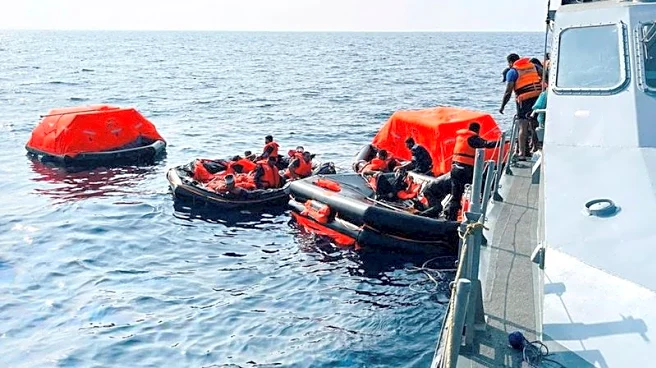
Middle East conflict. The ship, which had engine trouble, was initially anchored off Colombo and requested entry into the port. However, concerns about the impact on Sri Lanka's maritime industry led to the decision to move the ship to a remote port in the northeast. The Sri Lankan Navy evacuated 208 personnel from the ship, including officers, sailors, and cadets, who were then processed by immigration and given medical checks. The remaining crew members are assisting with translation and information as the ship is relocated to the Port of Trincomalee.
Why It's Important?
This development highlights Sri Lanka's strategic position and its diplomatic balancing act amidst international tensions. By taking control of the Iranian ship, Sri Lanka demonstrates its commitment to humanitarian principles while maintaining neutrality. This action could influence Sri Lanka's relations with both Iran and the United States, as it navigates its role in the region. The incident also underscores the complexities of maritime security and the potential economic implications for Sri Lanka's ports, which are vital to its economy. The decision to move the ship away from Colombo reflects a cautious approach to safeguarding the country's maritime interests.
What's Next?
The IRIS Bushehr will remain at the Port of Trincomalee indefinitely, pending further diplomatic discussions. Sri Lanka's handling of the situation may prompt reactions from international stakeholders, particularly Iran and the United States. The incident could lead to increased diplomatic engagement as Sri Lanka seeks to clarify its position and ensure regional stability. Additionally, the situation may prompt Sri Lanka to review its maritime policies and emergency response strategies to better handle similar incidents in the future.