




What's Happening?
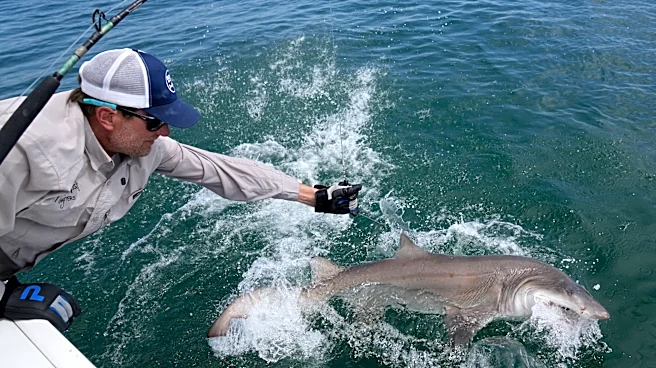
Researchers are actively catching, tagging, and releasing various shark species off the Hamptons, Long Island, to better understand local shark populations and their movements. This initiative, coordinated by the South Fork Natural History Museum and Nature
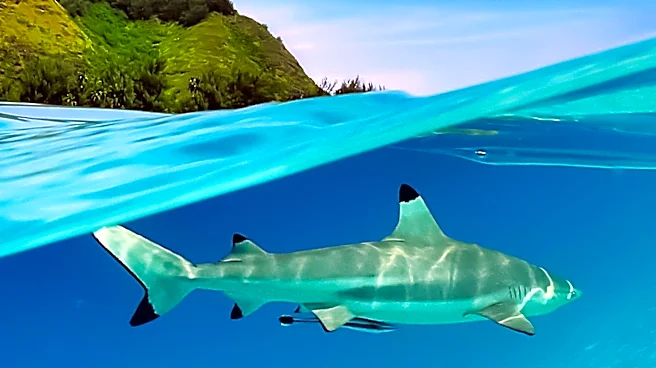
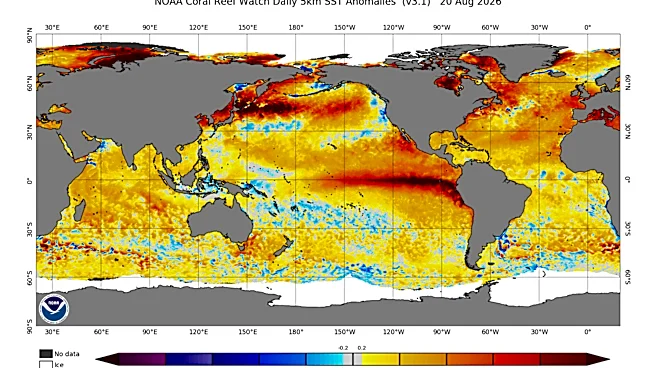
Center, aims to shed light on the area's role as a confirmed great white shark nursery. Marine scientists, including Greg Metzger and Bradley Peterson, are attaching data collection devices that relay location, depth, and water temperature. The data indicates that sharks cover vast distances, with tags detected in North Carolina, Georgia, Florida, and the Gulf of Mexico, before returning to Long Island. Frank Quevedo, executive director of the South Fork Natural History Museum, notes an increase in more varied shark species, such as spinner, blacktip, and bull sharks, migrating from tropical southern waters due to warming ocean temperatures, likely linked to climate change. Despite increased shark sightings, Metzger clarifies that this is partly due to enhanced technology like drones, rather than a sudden surge in shark presence, as sharks have historically inhabited these waters.
Why It's Important?
This research is crucial for understanding the ecological impacts of climate change on marine ecosystems and informing conservation strategies for apex predators. The observed migration of tropical shark species northward due to warming waters highlights a significant shift in marine habitats, potentially altering food webs and interspecies interactions. Long Island's identification as a great white shark nursery underscores its critical role in the life cycle of these animals, providing a safe feeding ground for young sharks away from larger predators. Protecting these nurseries is vital for the long-term survival of shark populations. The historical context of recreational fishing, spurred by cultural phenomena like 'Jaws,' demonstrates how human activities can severely impact shark numbers, particularly species like great whites that mature slowly. Conservation efforts, while showing some success in rebounding populations, emphasize the ongoing need for scientific understanding and protective measures to maintain marine biodiversity and ecosystem balance.
What's Next?
Researchers plan to continue their tagging and monitoring efforts to gather more comprehensive data on shark migration patterns, habitat use, and the long-term effects of warming waters. The collected data will be instrumental in developing more effective conservation policies and management strategies for shark populations in U.S. coastal waters. Educational initiatives, such as interactive exhibits at the South Fork Natural History Museum, will likely continue to raise public awareness about sharks and the importance of their conservation, aiming to dispel misconceptions and foster a greater appreciation for these marine animals. Local officials may further invest in safety measures, including shark-spotting drones, as seen in recent years, to ensure public safety while coexisting with increased shark activity. The ongoing research will also contribute to a broader understanding of how climate change is reshaping marine life distribution along the Atlantic coast.
Beyond the Headlines
The shifting distribution of shark species due to climate change presents complex ethical and ecological challenges. The increased presence of tropical sharks in temperate waters could lead to new predator-prey dynamics, potentially impacting local fish populations and other marine life. This phenomenon also raises questions about the adaptability of different species to rapid environmental changes and the resilience of marine ecosystems. The research highlights the interconnectedness of global climate patterns and local ecological health, emphasizing that changes in one region can have far-reaching consequences. Furthermore, the study implicitly addresses the human perception of sharks, moving beyond fear-driven narratives to promote scientific understanding and conservation. The long-term implications include potential changes in coastal tourism and fishing industries, necessitating adaptive management strategies that balance human interests with ecological preservation.