




What's Happening?
A new study suggests that intercropping oats and alfalfa, particularly in equal proportions, can significantly improve the nutritional quality of animal feed while reducing environmental impact. Researchers from Nottingham Trent University, the International
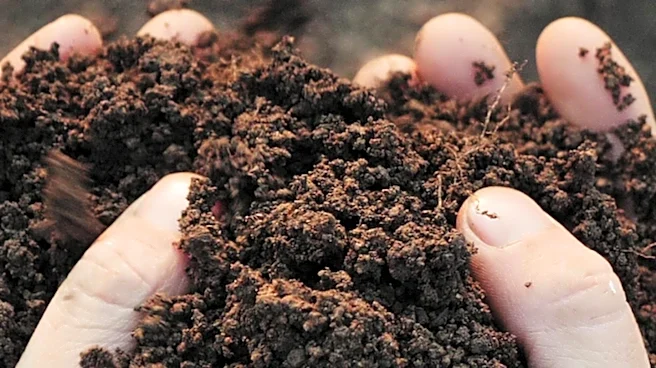
Centre for Agricultural Research in the Dry Areas (ICARDA) in Ethiopia, and Ethiopia’s Jimma University found that a 1:1 ratio of oats and alfalfa intercrop could decrease greenhouse gas emissions per unit of potential livestock weight gain by 37-47% compared to growing either crop alone. This method also enhanced soil fertility by increasing organic carbon, total nitrogen, available phosphorus, and cation exchange capacity. The intercrop produced 21% more dry matter than monoculture oats and offered a more balanced nutritional profile, including higher crude protein and metabolizable energy, and better-quality silage.
Why It's Important?
This research offers a promising sustainable agricultural practice that can benefit the U.S. livestock industry and contribute to environmental goals. By improving feed quality and reducing greenhouse gas emissions, intercropping can help farmers enhance productivity while mitigating their environmental footprint. The increased soil fertility also supports long-term agricultural sustainability, reducing the need for synthetic fertilizers and improving soil health. This approach aligns with broader efforts to develop more resilient and eco-friendly farming systems, potentially leading to economic benefits for farmers through improved animal health and reduced input costs, while also addressing consumer demand for more sustainably produced food. The findings provide a framework for identifying sustainable livestock strategies that integrate crop management, feed quality, and environmental performance.
What's Next?
The findings from this study could encourage wider adoption of intercropping practices in the U.S. and globally, particularly in low-input farming systems. Further research may focus on scaling these practices and adapting them to various regional climates and soil types. Agricultural extension services and policymakers might consider promoting intercropping through educational programs and incentives to farmers. The integration of such sustainable methods could become a key component in national strategies aimed at reducing agricultural emissions and improving soil health. This could also lead to the development of new animal feed products that are both more nutritious and environmentally friendly, influencing supply chains and consumer choices.
Beyond the Headlines
The success of intercropping oats and alfalfa highlights a broader shift towards agroecological approaches that leverage natural processes to enhance agricultural productivity and sustainability. This method exemplifies how ecological principles can be applied to address complex challenges like climate change and food security simultaneously. Beyond the immediate benefits of reduced emissions and improved soil, such practices foster greater biodiversity in agricultural landscapes, enhance ecosystem services, and build resilience against environmental shocks. This research underscores the potential for innovative farming techniques to transform the agricultural sector, moving it towards a more regenerative model that benefits both the environment and economic viability for farmers, ultimately contributing to a more sustainable food system.