





What's Happening?
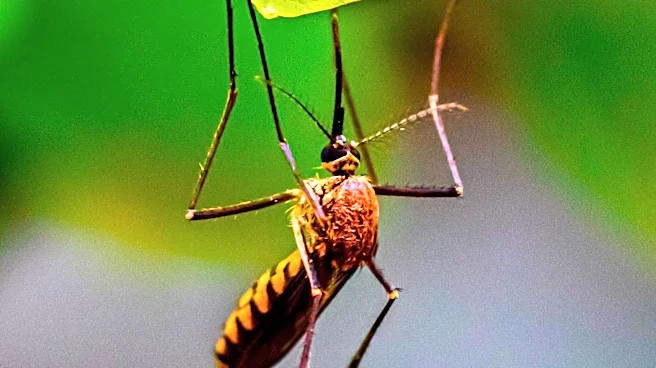
Physicians are urging the public to take precautions against West Nile virus, a mosquito-borne disease that typically peaks in the U.S. during summer and fall, particularly in August and September. The virus is spread through the bite of infected mosquitoes,
primarily Culex species, which acquire the virus from birds. While approximately 80% of infected individuals remain asymptomatic, others may experience symptoms such as fever, headache, body aches, fatigue, rash, nausea, or vomiting. A small percentage, about 1%, develop neuroinvasive disease, leading to severe conditions like encephalitis (brain inflammation) or meningitis (inflammation of the tissues surrounding the brain), which can result in lasting health problems or even death. Dr. Erica Kaufman West, an infectious diseases physician, and Dr. Chad C. Braden, a family physician, emphasize that there is no vaccine or specific medication to prevent or cure West Nile virus in humans. Therefore, prevention through avoiding mosquito bites is crucial.
Why It's Important?
The annual recurrence of West Nile virus poses a significant public health concern across the continental U.S., with over 1,300 severe cases and more than 130 deaths reported annually by the Centers for Disease Control and Prevention (CDC). The lack of a vaccine or specific treatment means that public awareness and preventive measures are the primary defenses against the disease. Understanding the symptoms, especially those indicating neuroinvasive disease like severe headache, neck stiffness, confusion, tremors, or loss of balance, is critical for timely medical intervention. Individuals over 65, those with weakened immune systems, or those with chronic conditions like diabetes, hypertension, and kidney disease are at higher risk for severe illness. Effective public education campaigns on mosquito bite prevention, such as using EPA-registered repellents, wearing protective clothing, and eliminating standing water, are vital to reduce infection rates and alleviate the burden on healthcare systems during peak season.
What's Next?
As West Nile virus season continues through the fall, public health officials and medical professionals will likely intensify efforts to educate communities on preventive measures and symptom recognition. Individuals are advised to regularly check the CDC's county-level tracking for West Nile virus activity to stay informed about local risks. Continued emphasis will be placed on personal protection strategies, including the use of insect repellents, wearing long sleeves and pants during dawn and dusk when mosquitoes are most active, and removing potential mosquito breeding sites around homes, such as standing water in containers. Patients experiencing symptoms suggestive of West Nile virus, particularly severe neurological signs, are urged to seek immediate medical attention. Ongoing research into mosquito control methods and potential antiviral treatments may also be pursued, though current efforts remain focused on prevention and supportive care.
Beyond the Headlines
Beyond the immediate health implications, the persistent threat of West Nile virus highlights broader challenges in public health, including the impact of environmental factors on disease transmission and the importance of community-level engagement. Climate change, for instance, can influence mosquito populations and their geographic spread, potentially altering the seasonality and intensity of West Nile virus outbreaks. This necessitates adaptive public health strategies that consider changing environmental conditions. Furthermore, the reliance on individual preventive actions underscores the need for sustained public health campaigns that are accessible and culturally relevant to diverse communities. The absence of a vaccine also brings into focus the ongoing need for investment in infectious disease research and development, not only for West Nile virus but for other emerging and re-emerging vector-borne diseases. This situation serves as a reminder that even well-established diseases require continuous vigilance and a multi-faceted approach involving medical professionals, public health agencies, and informed citizens.