






What's Happening?
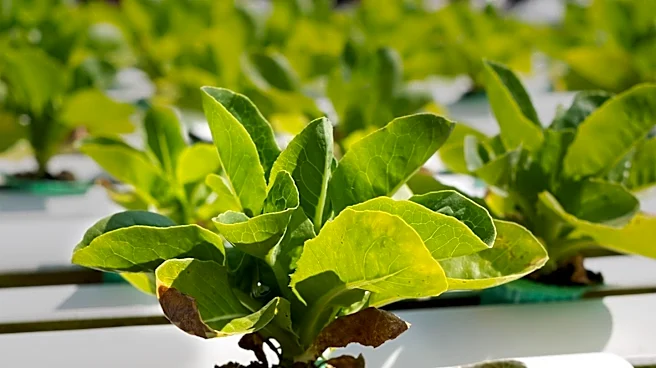
A recent outbreak of Cyclospora, a microscopic parasite causing the intestinal illness cyclosporiasis, has led to widespread concern among lettuce consumers in the U.S. The Food and Drug Administration has focused on iceberg lettuce as a potential source,
although the exact cause remains unclear. This has resulted in many individuals, like Baldwin Williams Jr. from Maryland, avoiding lettuce in their meals. The outbreak has particularly affected those who regularly consume salads, with some opting to eliminate bagged lettuce from their diets entirely. Despite no reported deaths, the illness is known for causing severe gastrointestinal symptoms, prompting caution among consumers.
Why It's Important?
The Cyclospora outbreak highlights significant public health concerns related to food safety and the supply chain. It underscores the vulnerability of fresh produce to contamination and the potential for widespread impact on consumer habits and the agricultural industry. The outbreak has led to increased scrutiny of food safety practices and could influence regulatory measures to prevent future incidents. For consumers, especially those who rely on salads as a staple, the outbreak has disrupted dietary habits and raised awareness about the importance of food sourcing and safety. The agricultural sector may face economic repercussions as demand for certain types of lettuce decreases.
What's Next?
As the investigation into the Cyclospora outbreak continues, the FDA and other health agencies are likely to enhance monitoring and testing of fresh produce. This could lead to stricter regulations and guidelines for growers and distributors to ensure food safety. Consumers may continue to exercise caution, potentially shifting towards locally sourced or alternative greens. The agricultural industry might need to adapt to changing consumer preferences and increased demand for transparency in food production. Public health campaigns could also emerge to educate consumers on safe food handling practices to mitigate the risk of similar outbreaks in the future.