


What's Happening?
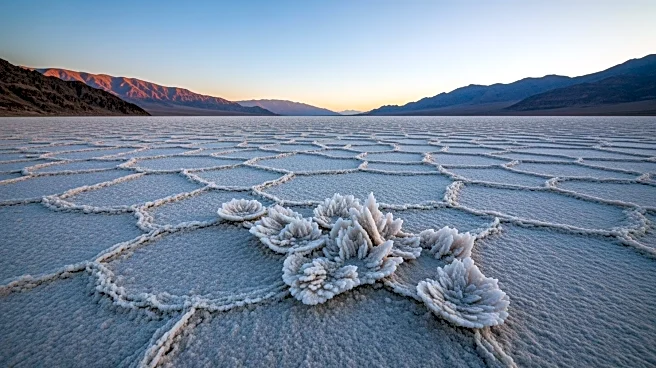
Caroline Tracey's new book, 'Salt Lakes: An Unnatural History,' delves into the environmental challenges facing salt lakes in the American West, such as Utah's Great Salt Lake and others in the Great Basin. Tracey explores how human activities, including
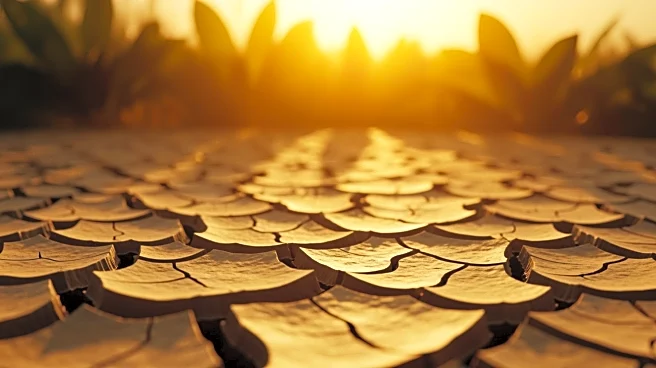
water diversions for agriculture and climate change, are contributing to the shrinking of these lakes. This decline exposes lake beds, releasing toxic dust into nearby communities and threatening wildlife, including brine shrimp and migratory birds. The book also draws parallels with global examples like the Aral Sea in Central Asia, where similar environmental mismanagement has led to severe ecological consequences. Tracey combines scientific research, personal experiences, and cultural history to argue for a reevaluation of water usage to protect these vital ecosystems.
Why It's Important?
The shrinking of salt lakes in the Mountain West has significant environmental and societal implications. As these lakes recede, they expose toxic dust that can harm human health and disrupt local ecosystems. The decline also threatens biodiversity, particularly for species that rely on these habitats for survival. Tracey's book underscores the need for sustainable water management practices to prevent further ecological damage. The situation serves as a microcosm of broader environmental challenges, highlighting the urgent need for policy changes to address water usage and climate change. The book's insights could influence public policy and raise awareness about the importance of preserving these unique landscapes.
What's Next?
The release of 'Salt Lakes: An Unnatural History' may prompt discussions among environmentalists, policymakers, and the public about the future of water management in the American West. Potential next steps could include legislative efforts to regulate water diversions and initiatives to restore and protect salt lake ecosystems. The book may also inspire further research into the impacts of climate change on similar environments worldwide. Stakeholders, including local communities, environmental groups, and government agencies, may need to collaborate to develop strategies that balance ecological preservation with agricultural and economic needs.
Beyond the Headlines
Beyond the immediate environmental concerns, the shrinking of salt lakes raises questions about cultural heritage and identity. These landscapes have inspired Indigenous stories and historical narratives, which are at risk of being lost as the lakes disappear. The book highlights the cultural significance of these ecosystems and the need to preserve them for future generations. Additionally, the situation reflects broader societal challenges related to resource management and environmental justice, as marginalized communities often bear the brunt of ecological degradation.