








What's Happening?
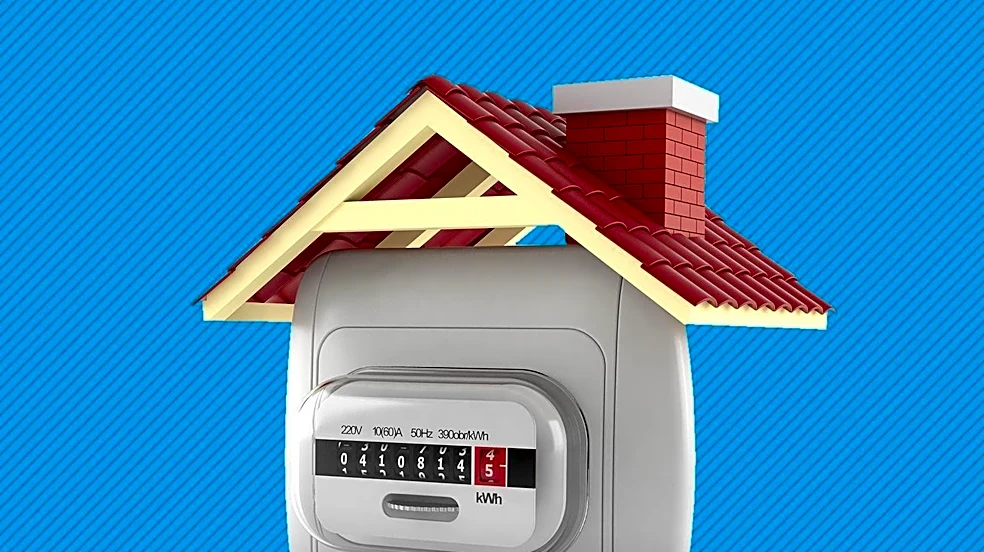
A recent survey by Consumer Reports reveals that one in five Americans has resorted to cutting back on groceries to afford their electricity bills. The survey also found that approximately a quarter of consumers are enduring uncomfortable indoor temperatures
by adjusting their heating or air conditioning to save money. Electricity prices in major U.S. cities have increased by 14% over the past three years, contributing to this financial burden. The impact is particularly severe for lower-income households, with those earning less than $85,000 annually being more than twice as likely to report that increased electric bills are straining their finances. This income threshold encompasses a significant portion of the working population, including teachers, hourly workers, caregivers, and retirees, who have limited financial flexibility to absorb such price jumps.
Why It's Important?
The findings underscore a deepening financial squeeze on American households, where electricity bills are no longer just a routine utility expense but a significant financial challenge forcing difficult trade-offs. This situation highlights the vulnerability of a broad segment of the population to rising essential costs, particularly when combined with broader economic pressures like inflation. The survey also points to a disconnect between consumer needs and utility practices, with a majority of Americans believing that utilities should prioritize helping customers improve energy efficiency before simply increasing electricity production and billing. This sentiment suggests a growing demand for more proactive and consumer-centric approaches from energy providers and regulators, potentially influencing future energy policy and utility oversight.
What's Next?
The Consumer Reports survey arrives as millions of Americans prepare for another season of heating and cooling demands, indicating that the financial pressure on households will likely continue. Without structural changes in how utilities pass costs to residential customers, relief for those already struggling to pay bills is not guaranteed. The ongoing dialogue around energy costs and consumer protection may lead to increased advocacy for policy changes aimed at improving energy affordability and transparency. Utilities might face greater scrutiny regarding their pricing models and investment strategies, particularly concerning the balance between infrastructure development and consumer impact. There could also be a push for expanded government assistance programs for energy costs, as more middle-income households are already seeking aid despite often not qualifying for existing low-income programs.
Beyond the Headlines
The core issue extends to the fundamental nature of electricity as an essential service. When the cost of such a necessity rises faster than incomes, it creates profound inequities and forces deeply personal sacrifices. The survey's emphasis on the difficulty many consumers face in understanding their utility bills points to a systemic lack of transparency that disempowers individuals from managing their energy consumption effectively or challenging charges. This lack of clarity, coupled with the perception that households are absorbing costs they did not create and cannot control, could erode public trust in utility providers and regulatory bodies. Long-term implications may include increased calls for consumer education, standardized and simplified billing practices, and greater accountability from energy companies to ensure that essential services remain accessible and affordable for all segments of society.