






What's Happening?
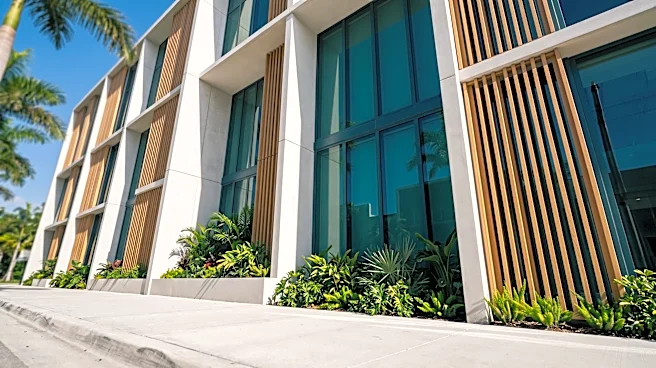
A new community wellness center named 'Living Room' has opened in Wilton Manors, Florida, aiming to provide a welcoming and low-barrier space for individuals dealing with substance use, mental health challenges, recovery, and social isolation. The center,
located at 2890 N. Andrews Avenue, operates on the philosophy that connection precedes treatment. It offers support without requiring a diagnosis, commitment to abstinence, or identification as being 'in recovery.' Living Room provides resource navigation and referrals for housing, mental health services, HIV and STI testing, and specialized treatment. Its programming includes chemsex recovery groups, expert-led workshops, community meals, social activities, peer-led discussions, life-skills programming, and recovery support. The center's approach integrates harm reduction, motivational interviewing, peer support, recovery coaching, trauma-informed interventions, and LGBTQ+ affirming care, connecting individuals to established recovery resources like SMART Recovery and Crystal Meth Anonymous. Michael Rohrs, executive director of Living Room, emphasized that meaningful change often begins with a conversation, a meal, or finding a place where one doesn't feel alone, and the center is designed to create this initial point of connection.
Why It's Important?
The opening of 'Living Room' is significant as it addresses a critical gap in behavioral health services by prioritizing social connection and offering a low-barrier entry point for support. Traditional treatment models often require specific diagnoses or commitments that can deter individuals from seeking help, particularly those experiencing social isolation or questioning their relationship with substances. By focusing on connection first, the center aims to reduce stigma and reach individuals earlier in their journey toward wellness. This approach is particularly vital for vulnerable populations, including the LGBTQ+ community, who may not feel comfortable or well-served by conventional systems. The center's comprehensive offerings, from social activities to resource navigation, acknowledge the multifaceted nature of recovery and well-being, recognizing that mental health, substance use, and social support are interconnected. This initiative could serve as a model for other communities seeking to provide more accessible and inclusive support for behavioral health and social wellness.
What's Next?
Living Room plans to measure its impact through participant outcome data and standardized assessment tools, focusing on connections to services, mental well-being, recovery outcomes, and reliance on crisis services. This data-driven approach will help the center continually improve its services and demonstrate its effectiveness. The center also intends to build partnerships with treatment providers, healthcare organizations, recovery organizations, HIV service providers, and social service agencies to strengthen community-wide connections. These collaborations will ensure that individuals accessing Living Room have a seamless bridge to a broader network of support. The center welcomes anyone exploring change, seeking information, supporting a loved one, considering recovery, or simply looking for community, emphasizing an environment free of labels, judgment, and prerequisites. The ongoing evaluation and partnership development will be crucial in establishing Living Room as a vital component of the South Florida behavioral health landscape.
Beyond the Headlines
The 'Living Room' initiative highlights a broader shift in understanding wellness, moving beyond individual pathology to recognize the profound impact of social determinants on health. The center's philosophy, 'Connection comes before treatment,' challenges the conventional medical model by emphasizing the foundational role of community and belonging in recovery. This approach acknowledges that social isolation is not merely a symptom but often a root cause or exacerbating factor in mental health and substance use challenges. By creating a space where individuals can connect without immediate pressure for diagnosis or abstinence, Living Room fosters an environment of radical acceptance and respect for each person's journey. This model could influence public health strategies by advocating for more community-based, preventative, and socially integrated approaches to behavioral health, potentially leading to more sustainable and holistic recovery outcomes across the U.S. The focus on LGBTQ+ affirming care also underscores the importance of culturally competent and inclusive services in addressing health disparities.