




What's Happening?
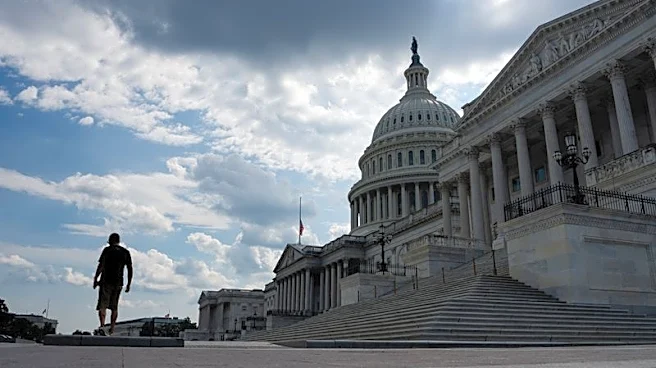
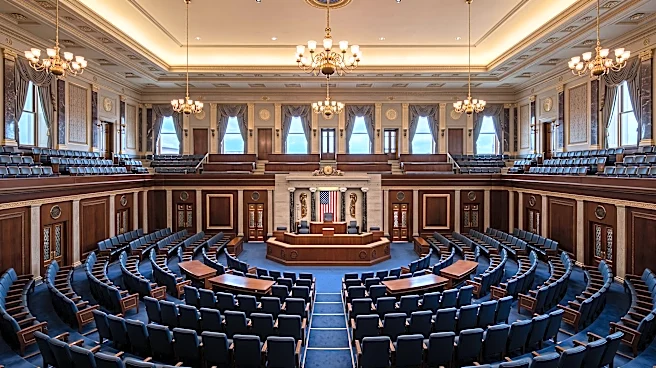
A new UMass Amherst poll indicates a significant increase in voter frustration with the U.S. political system, extending beyond Congress as an institution to individual lawmakers. Only 22% of Americans approve of Congress's job, with a mere 3% strongly
approving. This dissatisfaction now includes a reversal of a long-standing trend where voters typically viewed their own representatives more favorably than Congress as a whole; currently, only 28% approve of their representative, while 38% disapprove. This shift coincides with an unusually high number of incumbent primary losses this year, with eleven House lawmakers and two GOP senators failing to secure re-election bids. Seven of these primary losses were Democrats, often older lawmakers defeated by younger, more progressive challengers, while four House Republicans also lost. This marks a notable departure from historical patterns where incumbents typically enjoy high re-election rates, often exceeding 90% for House members.
Why It's Important?
This growing voter dissatisfaction and the increased rate of incumbent primary losses signal a potentially significant shift in the U.S. political landscape. The erosion of the 'incumbency advantage' could lead to more competitive elections and a greater turnover of political leadership, potentially altering policy directions and legislative priorities. The public's perception of Congress as a 'do-nothing' institution, coupled with concerns about scandals, lawmakers' stock trading, and a lack of bipartisanship, suggests a deep-seated distrust in the political establishment. This sentiment could fuel calls for systemic reforms, such as term limits and stricter campaign finance regulations, which have historically struggled to gain traction within Congress. The internal party struggles, particularly within the Democratic party between older and more progressive factions, could also reshape party platforms and leadership for future elections.
What's Next?
The heightened voter frustration and incumbent losses are likely to intensify debates surrounding political reform, including term limits and age limits for lawmakers, which have garnered significant public support but face resistance within Congress. As the midterm elections approach, the volatility observed in primaries suggests that more incumbents could face challenging re-election campaigns. Political parties may need to re-evaluate their strategies and candidate selections to address voter concerns about gridlock, ethical conduct, and responsiveness to public interests. The ongoing dissatisfaction could also lead to increased voter turnout among those seeking change, potentially impacting the balance of power in both the House and Senate. Furthermore, the trend of older lawmakers being unseated by younger challengers could accelerate a generational shift in U.S. politics.
Beyond the Headlines
The widespread disillusionment with Congress and individual representatives points to a deeper crisis of confidence in democratic institutions. This sentiment, fueled by perceived legislative inaction, partisan gridlock, and ethical concerns, could have long-term implications for political engagement and the legitimacy of governance. The public's desire for change, as evidenced by support for term and age limits, reflects a yearning for a more responsive and accountable political system. If these frustrations are not adequately addressed, they could lead to further political polarization, the rise of populist movements, and a continued erosion of trust in government. The challenge for political leaders will be to bridge the gap between public expectations and legislative realities, fostering a renewed sense of purpose and effectiveness in Washington.