






What's Happening?
Leading dermatology organizations, including the American Academy of Dermatology (AAD), the U.S. Food and Drug Administration (FDA), and the UK's National Health Service (NHS), are advocating for a multi-faceted approach to sun protection that extends
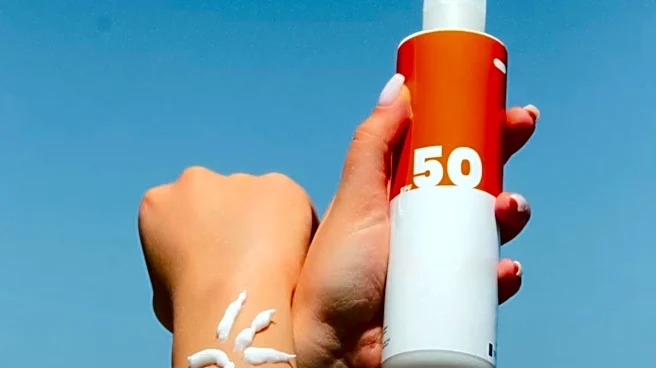
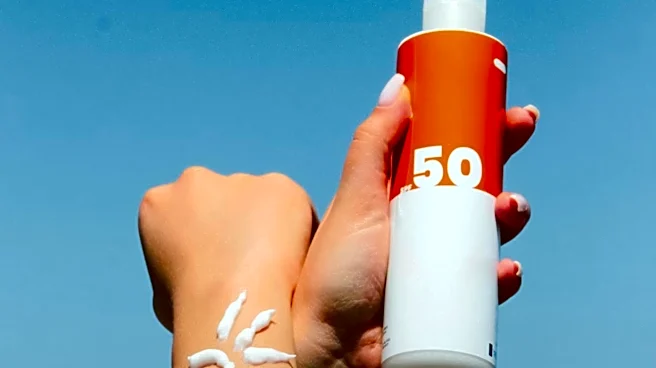
beyond just sunscreen application. While sunscreen is a crucial component, these organizations stress that it should be used in conjunction with other protective measures. Key recommendations include seeking shade during peak sun hours (roughly 10 a.m. to 2 p.m. in the U.S.), wearing wide-brimmed hats and tightly woven, long-sleeved clothing, and using sunglasses with UV protection. They also advise extra caution near reflective surfaces like water, snow, and sand, and strongly recommend avoiding sunbeds. The AAD and NHS suggest sunscreens with an SPF of at least 30, which blocks about 97% of UVB rays when applied correctly, while the FDA sets a lower limit of SPF 15 for public guidance. It's highlighted that no sunscreen blocks 100% of UV rays, and a high SPF does not mean extended sun exposure or less frequent reapplication.
Why It's Important?
This emphasis on comprehensive sun protection is vital for public health in the U.S. as it addresses the persistent issue of skin cancer, premature skin aging, and pigmentation caused by UV radiation. By clarifying that sunscreen alone is insufficient, these guidelines aim to correct common misconceptions and encourage more effective protective behaviors. The recommendations empower individuals to take a more proactive role in their sun safety, potentially reducing the incidence of sun-related skin damage and diseases. For the healthcare industry, this means a continued focus on educating patients about holistic sun protection. For consumers, it underscores the need to integrate various protective habits into their daily routines, especially during outdoor activities. The guidance also highlights the importance of proper sunscreen application and reapplication, which are often overlooked, thereby maximizing the efficacy of sun protection products.
What's Next?
The ongoing public health campaigns by organizations like the AAD and FDA will likely continue to reinforce these comprehensive sun protection messages. Consumers can expect to see more educational materials and public service announcements promoting a combination of shade, clothing, and sunscreen. Manufacturers of sun protection products may also adapt their marketing to align with these broader recommendations, potentially emphasizing the role of their products within a larger sun safety strategy. Healthcare providers, particularly dermatologists and general practitioners, will continue to play a critical role in counseling patients on these practices. There may also be further research into the effectiveness of different protective measures and how best to communicate these complex messages to the public to ensure widespread adoption of safer sun habits.
Beyond the Headlines
The shift towards a more holistic view of sun protection reflects a deeper understanding of UV radiation's impact and the limitations of single-method approaches. This comprehensive strategy moves beyond simply preventing sunburn to addressing long-term skin health, including the prevention of skin cancer and photoaging. It also touches upon the ethical responsibility of individuals to protect themselves and the broader societal implications of public health education. The guidance implicitly acknowledges that while sunscreen technology has advanced, human behavior and environmental factors remain critical. This approach encourages a more mindful interaction with the sun, promoting a culture of prevention rather than solely relying on remedial measures. It also highlights the ongoing challenge of effectively communicating scientific information to the public and ensuring that complex health recommendations are understood and acted upon.