








What's Happening?
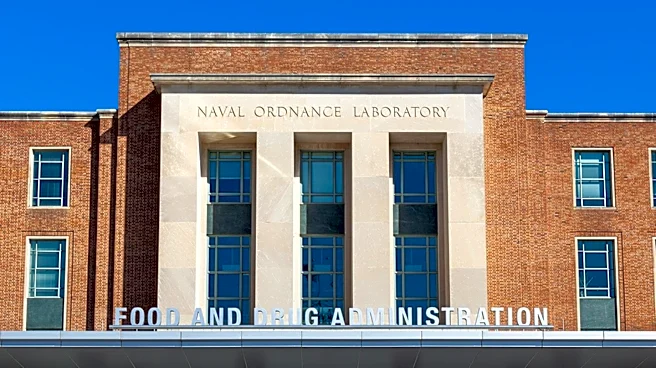
The U.S. Food and Drug Administration (FDA) has refused 71 shrimp entry lines year-to-date in 2026 due to contamination with banned antibiotics. In October 2026 alone, eight shrimp entry lines were refused for veterinary drug residues. A significant finding
is that 73% of these refused shrimp shipments originated from facilities holding Best Aquaculture Practices (BAP) certifications, a program operated by the Global Seafood Alliance. These BAP-certified facilities are located in six different countries, including Bangladesh, China, India, Indonesia, Thailand, and Vietnam. The highest number of refusals came from India, Indonesia, and Vietnam. This trend has prompted questions regarding the effectiveness of third-party certification audits in detecting the use of banned veterinary drugs at farms and processing plants. The Senate Health, Education, Labor, and Pensions (HELP) Committee had previously requested information from the Global Seafood Alliance in May 2026 concerning its certification programs, but the Alliance has not yet publicly issued its response.
Why It's Important?
This development is important for U.S. consumers and the seafood industry as it highlights potential vulnerabilities in the supply chain of imported shrimp. The presence of banned antibiotics in seafood poses public health risks, including the development of antibiotic-resistant bacteria. For the U.S. seafood market, which relies heavily on imports, these refusals can lead to supply disruptions and increased scrutiny of imported products. The fact that a majority of the contaminated shrimp came from BAP-certified facilities undermines consumer confidence in third-party certifications, which are often used by retailers and brands to assure product safety and responsible farming practices. This situation could lead to a reevaluation of certification standards and auditing processes, potentially increasing costs for producers and importers, and ultimately affecting prices for consumers. U.S. businesses that import shrimp may face stricter regulations and greater financial burdens due to increased testing and compliance requirements.
What's Next?
The ongoing refusals by the FDA suggest that regulatory scrutiny on imported shrimp will likely continue, potentially leading to more import alerts and stricter enforcement actions. The lack of a public response from the Global Seafood Alliance to the Senate HELP Committee's inquiries could intensify pressure on the organization to address the efficacy of its BAP certification program. This situation may prompt U.S. lawmakers and regulatory bodies to investigate the oversight of third-party certification programs more thoroughly. Retailers and seafood brands that rely on BAP certification may need to reassess their sourcing strategies and potentially implement additional internal quality control measures. Furthermore, consumers may become more discerning about the origin and certification of the shrimp they purchase, driving demand for more transparent and rigorously verified products. The U.S. government may also explore bilateral agreements or enhanced inspection protocols with the exporting countries to mitigate future contamination risks.
Beyond the Headlines
The issue extends beyond immediate food safety concerns to the broader integrity of global food supply chains and the role of private certification bodies. The reliance on third-party certifications to ensure product quality and safety is a cornerstone of international trade, and if these certifications are found to be inadequate, it could have far-reaching implications for various agricultural and food sectors. This situation raises ethical questions about accountability within the certification industry and whether current auditing practices are robust enough to prevent fraudulent or negligent practices. It also highlights the challenge of enforcing U.S. food safety standards on products sourced from diverse international locations with varying regulatory environments. The long-term impact could be a shift towards more direct governmental oversight or the development of new, more stringent international standards for aquaculture, potentially reshaping global seafood trade dynamics.