

What's Happening?
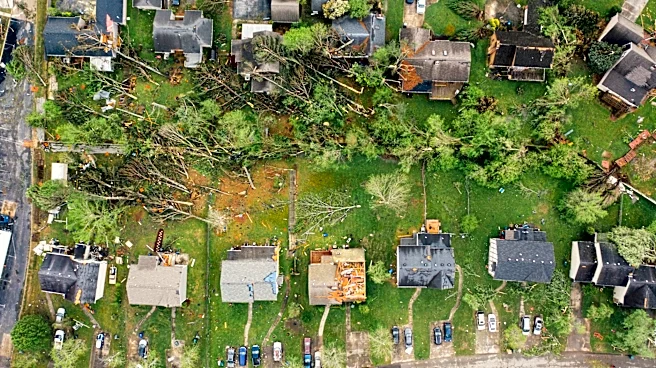
Cleanup efforts and damage assessments are underway in Dover, Delaware, and on Long Island, New York, following tornadoes that touched down during storms. These storms brought heavy rains and flash flooding to the Northeast, leaving dozens of people stranded
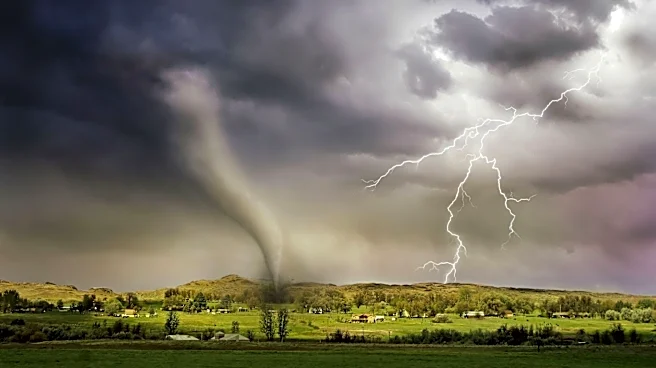
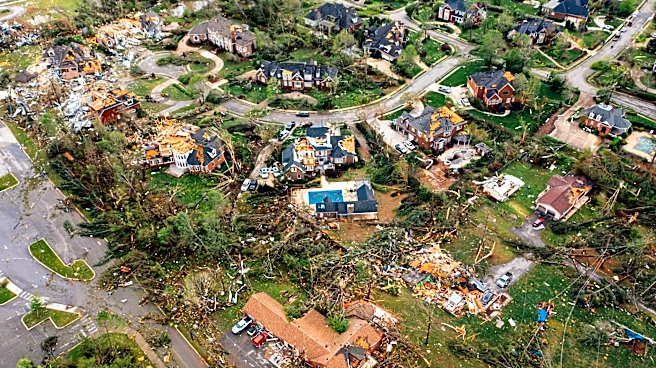
in their vehicles. The National Weather Service confirmed a tornado in Dover, where photos and videos show significant damage, including a motel roof being blown off and other structural damage along Route 13. On Long Island, a large funnel cloud was observed over the Atlantic Ocean, which then became a tornado, causing damage to small buildings at a beach club in Atlantic Beach. Fortunately, officials have reported no serious injuries from these events. Weather service crews are currently assessing the damage to determine the strength and paths of the tornadoes.
Why It's Important?
The occurrence of tornadoes in densely populated areas like Long Island and the capital of Delaware highlights the increasing unpredictability and intensity of weather events in the U.S. These events pose immediate threats to public safety, infrastructure, and local economies. Flash flooding, as experienced in New York and New Jersey, can lead to dangerous conditions, property damage, and significant disruptions to daily life and transportation. The need for rapid emergency response and cleanup operations strains local resources and can result in substantial financial costs for recovery and rebuilding. For residents, such events can cause displacement, loss of property, and psychological distress. The frequency and severity of these weather phenomena underscore the importance of robust emergency preparedness, resilient infrastructure, and effective communication systems to protect communities.
What's Next?
Cleanup and damage assessment operations will continue in affected areas, with emergency crews working to clear debris, restore services, and assist residents. The National Weather Service will finalize its reports on the tornadoes' strengths and paths. Local authorities, such as Dover Mayor Robin Christiansen and Nassau County Executive Bruce Blakeman, will oversee recovery efforts and provide guidance to their communities. Residents are advised to exercise caution and allow extra time for travel due to ongoing cleanup activities. The events may prompt discussions about climate resilience and infrastructure improvements to better withstand extreme weather. Insurance claims and rebuilding efforts will likely follow, impacting local economies and potentially leading to long-term recovery processes.
Beyond the Headlines
These tornado touchdowns and associated flash flooding incidents are part of a broader pattern of increasingly extreme weather events across the U.S., raising questions about climate change and its localized impacts. Beyond the immediate physical damage, there are significant social and psychological tolls on affected communities. The disruption to daily life, the loss of homes and businesses, and the stress of recovery can have lasting effects. The events also highlight the critical role of local emergency services and community resilience in responding to natural disasters. Furthermore, they underscore the ongoing debate and need for investment in climate adaptation strategies, urban planning that considers flood risks, and early warning systems to protect populations from the growing threats of severe weather.