




What's Happening?
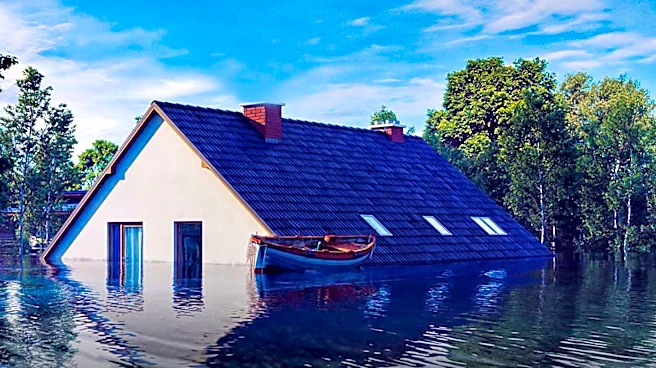
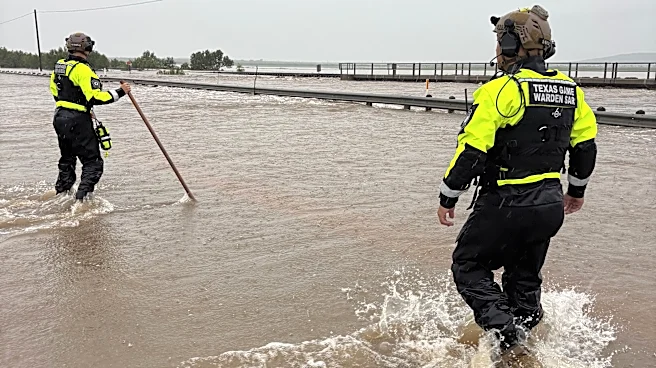
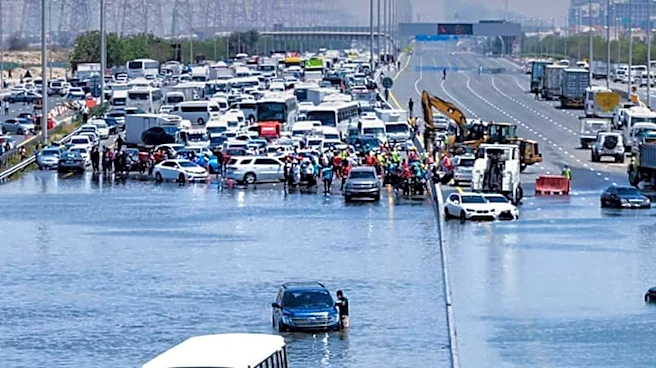
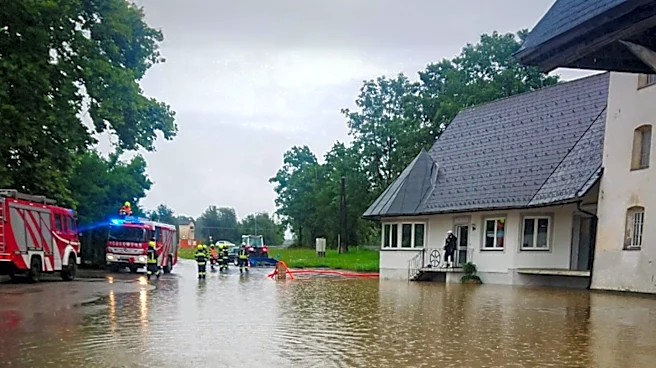
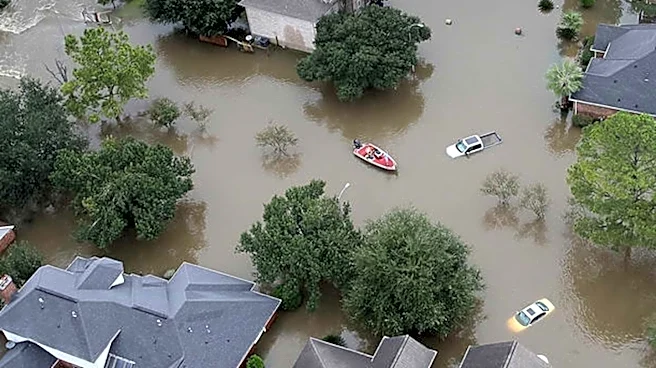
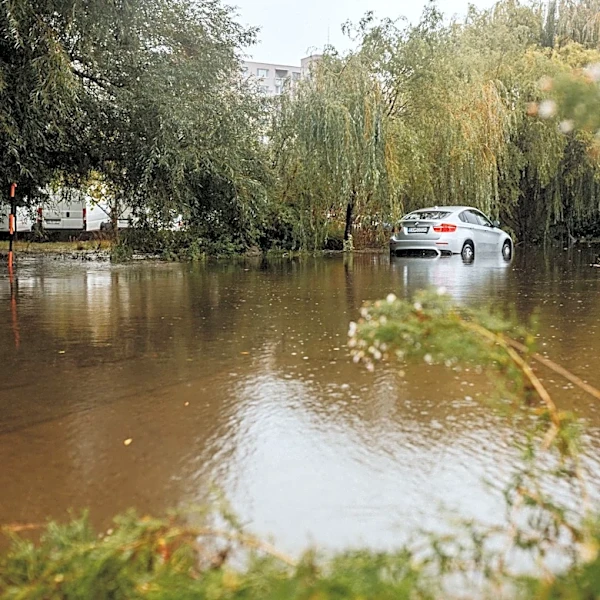
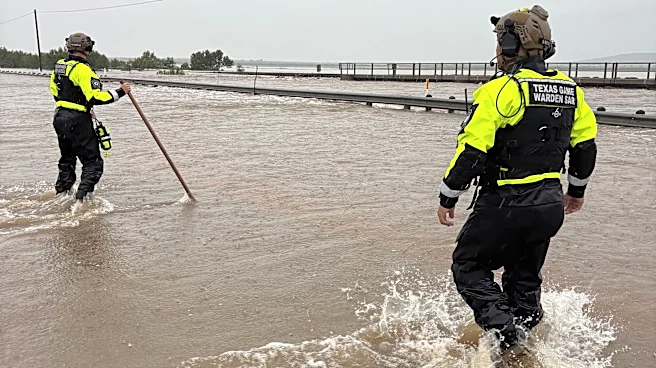
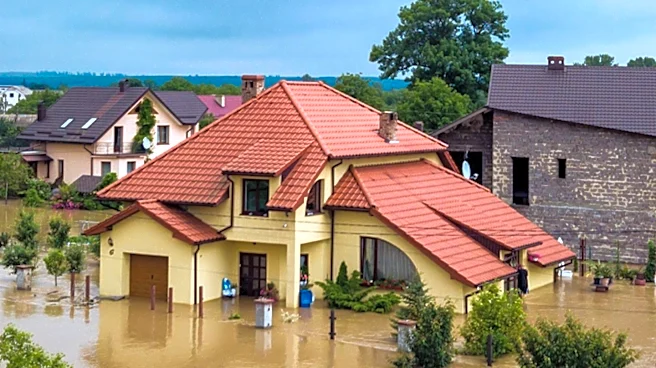
Central and South Texas are experiencing severe flooding due to relentless rainfall, leading to widespread evacuations and high-water rescues. Governor Greg Abbott reported that two individuals have died as a result of the flooding, which has turned roads
into rivers and stranded motorists. Over 2,350 emergency personnel have been deployed to assist in rescue operations, with more than 70 people already rescued. The National Weather Service has issued warnings about a 'large and deadly flood wave' moving down the Guadalupe River, which has already caused significant damage in the past. The flooding has led to road closures, including major highways, and has cut off access to certain areas, such as Uvalde. Emergency services are using boats and helicopters to reach those trapped by the rising waters.
Why It's Important?
The flooding in Texas highlights the vulnerability of infrastructure and communities to extreme weather events, which are becoming more frequent and severe. The immediate impact is on public safety, with lives lost and many more at risk. The economic implications are also significant, as road closures and damage to property disrupt daily life and business operations. The response by state and local authorities, including the deployment of emergency personnel and resources, underscores the importance of preparedness and rapid response in mitigating the effects of natural disasters. The situation also raises questions about long-term strategies for flood management and climate resilience in Texas and similar regions.
What's Next?
As the situation develops, continued rainfall is expected to exacerbate the flooding, with additional emergency measures likely to be implemented. Authorities are urging residents to heed evacuation orders and avoid travel unless absolutely necessary. The focus will remain on rescue operations and ensuring the safety of those in affected areas. In the longer term, there may be discussions on improving infrastructure to better withstand such events and on policies to address the underlying causes of increased flooding, such as climate change.