








What's Happening?
New York lawmakers are considering a ban on potassium bromate, a common additive in pizza dough, due to its potential health risks. The state Assembly passed the Food Safety and Chemical Disclosure Act, which includes this ban, and it is now awaiting
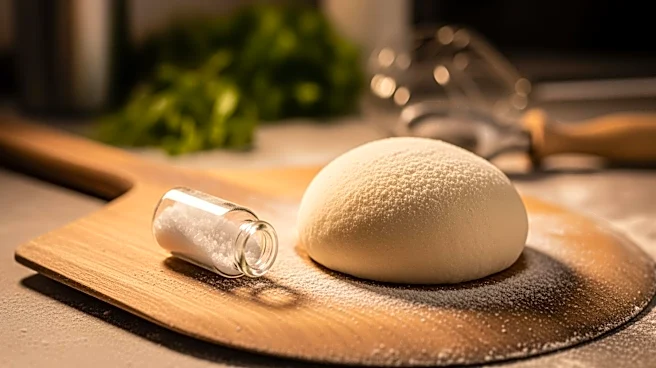
Governor Kathy Hochul's signature. Potassium bromate is used to help dough rise and appear whiter, but studies have linked it to cancer and kidney damage. The proposed ban mirrors similar restrictions already in place in California, the United Kingdom, and the European Union. While some New Yorkers are unaware of the additive's presence in their pizza, others support the ban if it poses health risks. Pizza shop owners, like those at Patsy's Pizzeria in East Harlem, have begun experimenting with alternative ingredients, claiming customers will not notice a difference in taste or quality.
Why It's Important?
The potential ban on potassium bromate in New York highlights growing concerns over food safety and the use of chemical additives. If enacted, this legislation could set a precedent for other states to follow, potentially leading to nationwide changes in food manufacturing practices. The ban could impact the pizza industry, prompting businesses to reformulate their recipes and source alternative ingredients. This move reflects a broader trend towards transparency and consumer protection in the food industry, as more people become aware of the health implications of certain additives. The outcome of this legislation could influence public policy and consumer behavior, encouraging a shift towards cleaner, safer food production methods.
What's Next?
If Governor Hochul signs the bill into law, New York pizzerias will need to adapt quickly to comply with the new regulations. This may involve sourcing new ingredients and adjusting recipes to maintain the quality and taste that customers expect. The transition could also spark discussions among food manufacturers and regulators about the safety of other common additives. Additionally, the public's reaction to the ban could influence future legislative efforts aimed at improving food safety standards. Stakeholders, including health advocates and industry representatives, will likely continue to debate the balance between food innovation and consumer safety.