






What's Happening?
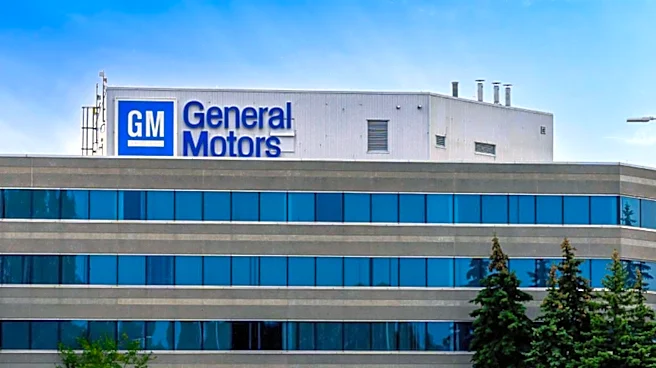
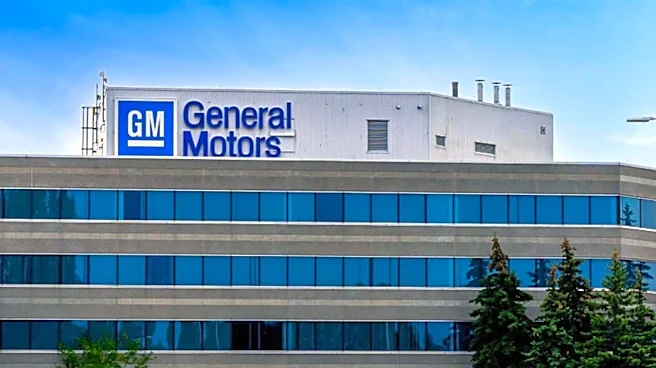
Vermont Attorney General Charity Clark announced a $4.5 million settlement with General Motors (GM) as part of a larger $220 million nationwide agreement involving 35 states and the District of Columbia. The settlement addresses allegations that GM collected
and sold driver data, including habits like seat belt use and speeds, to insurance companies and data brokers without obtaining proper consent from tens of thousands of Vermonters. This practice, which occurred between 2016 and 2024, allegedly violated Vermont's Consumer Protection Act, leading some drivers to face higher insurance rates. GM has stated it discontinued its 'Smart Driver' program in 2024 and has taken steps to strengthen its privacy practices, though it does not admit to breaking any law. The settlement terms include new standards for customer consent and limits on data collection.
Why It's Important?
This settlement underscores the growing legal and public scrutiny surrounding data privacy, particularly concerning connected vehicles. For consumers, it highlights the potential for personal driving data to be monetized and used in ways that can directly impact their financial well-being, such as increased insurance premiums. The case also sets a precedent for how states can enforce consumer protection laws against large corporations operating across multiple jurisdictions. Vermont's proactive role in initiating the investigation allowed it to secure a disproportionately larger share of the settlement funds compared to its population size, demonstrating the impact of state-level legal action in national data privacy issues. This outcome could encourage other states to pursue similar actions and push for stronger data protection regulations.
What's Next?
The $4.5 million received by Vermont will be deposited into the state's General Fund, subject to legislative control. Attorney General Clark indicated her office will continue to focus on consumer protection related to data privacy and the internet, having recently requested funding for a new staff position dedicated to large tech companies. This suggests a continued push for stricter oversight and enforcement in the digital realm. The ongoing class-action lawsuit against GM regarding similar data-sharing practices indicates that the company may face further legal challenges. Additionally, the settlement and the Federal Trade Commission's earlier order restricting GM's data-sharing practices signal a broader trend towards increased regulation and accountability for companies handling sensitive consumer data.
Beyond the Headlines
The GM data privacy settlement reflects a deeper societal concern about the extent to which personal data, even seemingly innocuous driving habits, is collected, shared, and utilized by corporations. This case brings to light the ethical implications of data monetization without explicit and informed consent, challenging the traditional boundaries of privacy in an increasingly connected world. It also highlights the power imbalance between individual consumers and large corporations, emphasizing the critical role of government agencies in safeguarding consumer rights. The incident could accelerate the development of more comprehensive federal and state data privacy laws, moving beyond sector-specific regulations to a more unified approach that grants individuals greater control over their digital footprints and holds companies more accountable for their data practices.