







What's Happening?
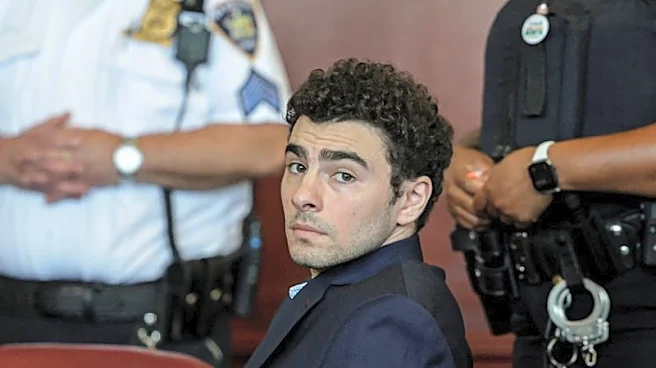
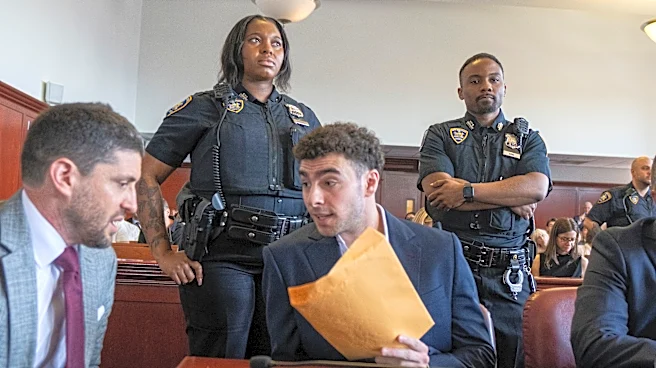
The trial of Luigi Mangione, accused of killing UnitedHealthcare executive Brian Thompson, is facing uncertainty as his defense team appears to reconsider their strategy. Initially, the defense indicated they might pursue a psychiatric defense, citing
extreme emotional disturbance. However, recent developments suggest a potential withdrawal from this approach. The case, which has garnered significant public attention, involves both state and federal charges against Mangione for the 2024 shooting in Manhattan. The defense's decision to withdraw the CPL 250.10 notice, which would have allowed for a psychiatric defense, has led to speculation about their next steps. Legal experts suggest that while the notice has been withdrawn, the defense might still argue emotional distress based on the prosecution's evidence.
Why It's Important?
The trial is significant due to its high-profile nature and the implications for the U.S. justice system, particularly in how psychiatric defenses are handled. The case also highlights public sentiment towards the healthcare industry, as the victim was a prominent executive. The defense's strategy could influence future cases involving mental health defenses, potentially affecting legal standards and practices. The trial's outcome may impact public perceptions of justice and accountability, especially in cases involving corporate figures.
What's Next?
As the trial progresses, the defense's strategy will be closely watched, particularly any attempts to introduce evidence of emotional disturbance without the formal notice. The court's handling of this aspect could set precedents for similar cases. Additionally, the trial may see heightened security and media attention, given the public interest and potential for courtroom disruptions. The prosecution and defense will continue to prepare their cases, with the possibility of further legal maneuvers and strategic shifts.
Beyond the Headlines
The trial raises broader questions about the role of mental health in criminal cases and the balance between legal strategy and ethical considerations. It also reflects societal attitudes towards mental health and the stigma associated with psychiatric defenses. The case could prompt discussions about the need for reform in how mental health issues are addressed within the legal system, potentially leading to changes in policy and practice.