





What's Happening?
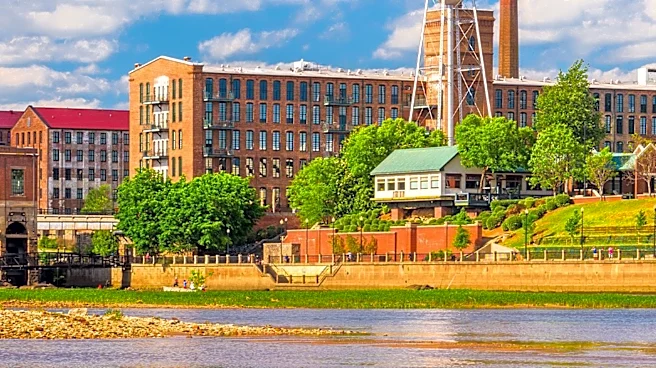
The water tower at Portland's Centennial Mills was successfully demolished in a controlled blast on Monday. This event followed a devastating fire on August 2 that left the building precariously unstable along the Willamette River in the Pearl District.
Sirens and airhorns preceded the blast, which resulted in a thunderous boom and a plume of black smoke as the tower collapsed into the warehouse below. This marks the first step in safely dismantling the old building, which had posed a collapse hazard for over two weeks.
Why It's Important?
The controlled demolition of the water tower is a critical safety measure to mitigate the immediate risk of uncontrolled collapse at the Centennial Mills site. The building's instability after the fire presented a significant danger to the surrounding Pearl District area and hindered efforts to investigate the cause of the fire and search for potential human remains. This initial demolition allows crews to begin the more extensive work of bringing down the rest of the building in a controlled manner, prioritizing public safety and environmental concerns, such as the spread of hazardous materials like asbestos. The incident highlights the challenges urban areas face in managing and demolishing damaged historical structures.
What's Next?
Following the successful demolition of the water tower, crews will now focus on dismantling the remaining walls of the Centennial Mills building using a high-reach excavator. The process is expected to be slow and deliberate to prevent the spread of hazardous materials and ensure the stability of the structure. Officials anticipate that it will take approximately two more weeks to bring the building to a safe level, allowing the area to be reopened. Forensic examiners will then be able to access locations where K9 teams indicated the presence of human remains, which could not be confirmed earlier due to safety concerns.
Beyond the Headlines
The Centennial Mills incident and its subsequent demolition raise broader questions about urban development, historical preservation, and environmental safety in Portland. The presence of hazardous materials like asbestos in older structures necessitates careful and costly demolition procedures, impacting both public health and the environment. The event also underscores the importance of rapid response and effective communication from city officials during emergencies, as residents were warned of blasts, dust, and air quality concerns. The long-term implications include discussions on the future use of the site and how such incidents influence urban planning and safety protocols for historical industrial buildings.