




What's Happening?
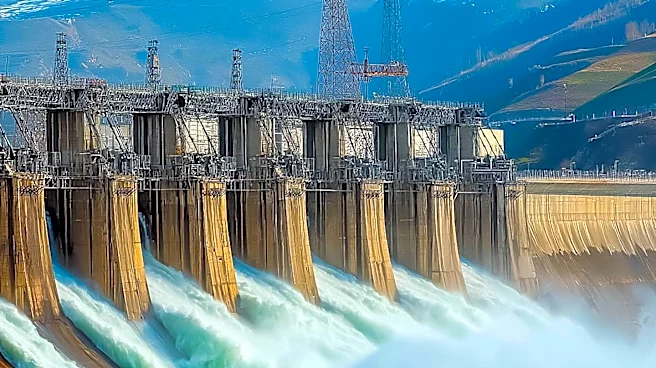
Laos, historically known as the 'Battery of Southeast Asia' due to its extensive hydropower exports, is experiencing a significant shift in its energy landscape. While approximately 80% of Laos' energy, primarily from hydropower, is sold to neighboring
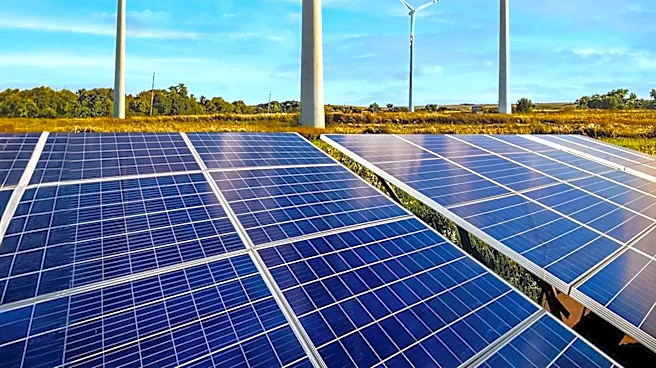
countries like Thailand, Vietnam, Cambodia, Singapore, and Malaysia, this dominance is being challenged. Growing investments in non-hydro renewable energy sources across the region, coupled with the initial stages of developing a regional power grid, are altering the nature of energy reliance. Countries like Thailand are heavily investing in solar power to guard against volatile liquefied natural gas (LNG) prices, and Vietnam is increasing its own non-hydro renewable generation capacity while also importing wind power from Laos. Environmental and social concerns related to hydropower dams, particularly their impact on biodiversity and local fisheries in the Greater Mekong Region, also contribute to this evolving dynamic.
Why It's Important?
This transformation in Laos' energy role has profound implications for regional energy security, environmental sustainability, and economic development. The shift away from a sole reliance on hydropower diversifies the energy mix, potentially reducing environmental impacts associated with large dams and fostering more sustainable energy practices. For Laos, it means adapting its energy export strategy to include more diverse renewable sources like wind, which could offer new economic opportunities. For importing nations, increased investment in domestic renewables enhances energy independence and resilience against external shocks. The development of the ASEAN Power Grid, a long-term initiative to share energy across all member states, signifies a move towards greater regional energy integration and cooperation, which could stabilize energy supplies and promote economic growth across Southeast Asia.
What's Next?
The trend of diversifying energy sources and developing a regional power grid is expected to continue. Thailand plans to install 5 GW of rooftop solar within a year and aims for nearly half of its new renewable capacity between 2026-2037 to come from solar. Vietnam intends to increase energy imports from Laos to at least 8 GW by 2030, with wind projects comprising an increasingly significant share. Cambodia aims to increase power imports from Laos to around 3 GW by 2030 and is actively working on advancing cross-border connections as part of the ASEAN Power Grid. The Laos-Thailand-Malaysia-Singapore Power Integration Project (LTMS-PIP) is expanding, with Singapore importing additional power from Malaysia. Chinese companies continue to be involved in Laos' energy sector, including non-hydro renewable projects, indicating a continued evolution of Laos' energy infrastructure.
Beyond the Headlines
The evolving energy landscape in Southeast Asia highlights a complex interplay of economic, environmental, and geopolitical factors. The push for renewable energy sources reflects a growing awareness of climate change and the need for sustainable development, but also pragmatic concerns about energy security and price volatility. The environmental and social impacts of hydropower, particularly on the Mekong River ecosystem and local communities, remain a significant ethical and policy challenge. The development of the ASEAN Power Grid represents a long-term vision for regional integration that could foster greater political and economic interdependence, potentially leading to more stable regional relations. However, it also raises questions about equitable energy access, infrastructure financing, and the potential for new forms of energy dependency within the bloc. The role of external actors, particularly China, in financing and developing energy projects in Laos further complicates the geopolitical dynamics of the region's energy future.