





What's Happening?
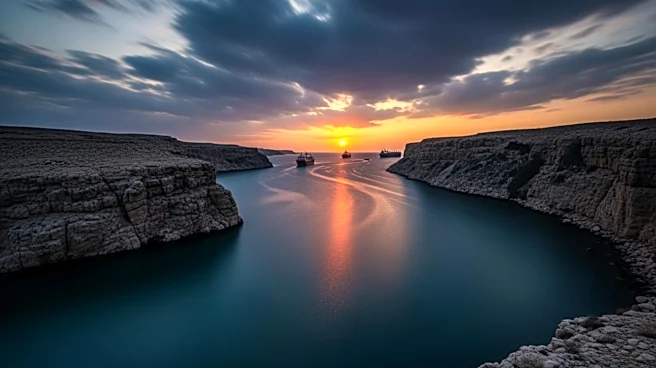
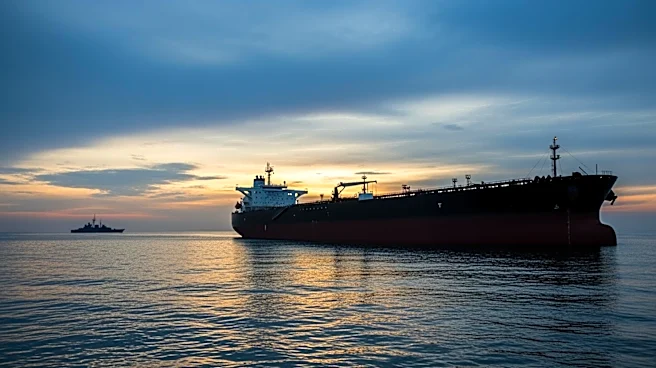
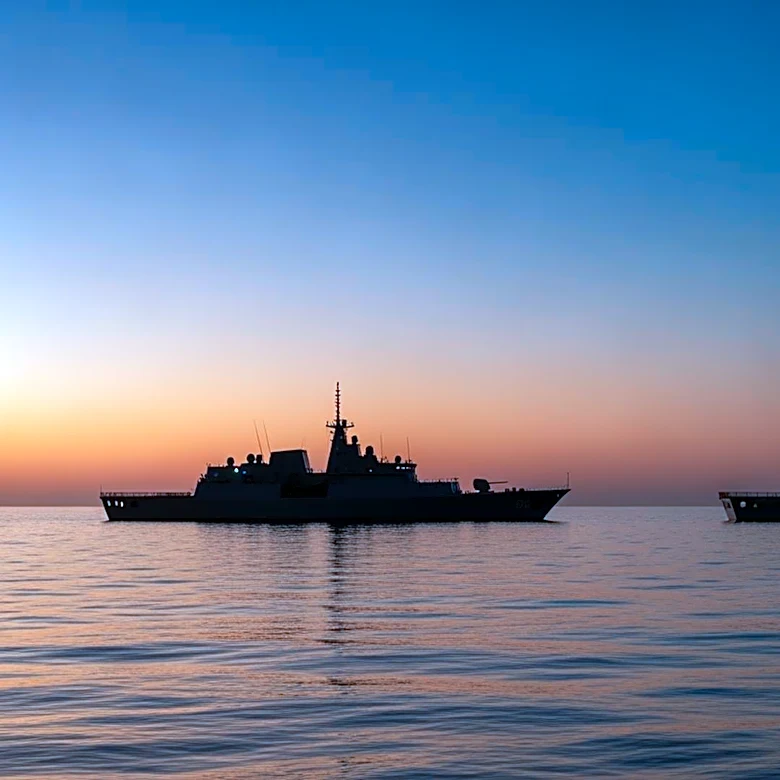
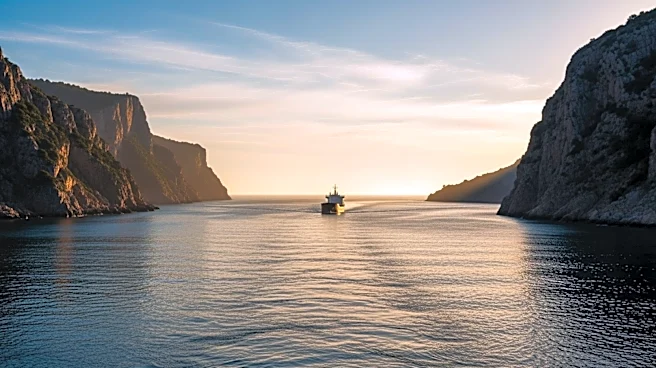
The U.S. is reportedly planning to board and seize Tehran-linked oil tankers worldwide, escalating its pressure campaign on Iran. This move comes as tensions rise in the Strait of Hormuz, where Iranian forces have fired on multiple commercial vessels
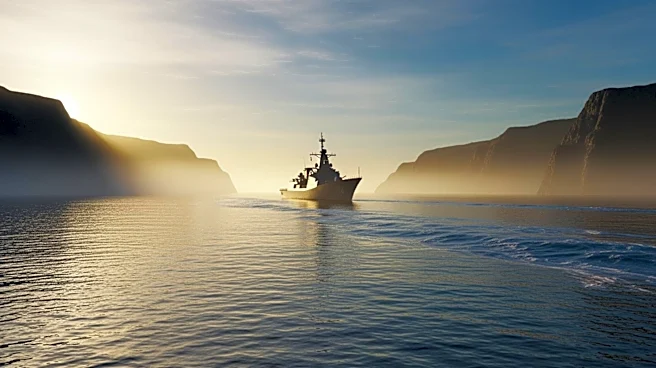
and declared control over the waterway. The U.S. strategy aims to choke Tehran's economy, hoping to force Iran to reopen the strait and make concessions in nuclear talks. The U.S. has already blocked 23 ships from leaving Iranian ports as part of a growing naval barricade. The operation, dubbed 'Economic Fury,' could extend beyond the Middle East, targeting Iran-linked tankers suspected of carrying weapons or sanction-busting oil.
Why It's Important?
The U.S. plan to seize Iran-linked vessels globally marks a significant escalation in its efforts to pressure Iran economically. The Strait of Hormuz is a critical passage for global oil shipments, and any disruption could lead to increased oil prices and market instability. The U.S. aims to force Iran to comply with its demands by targeting its economic lifelines. However, this aggressive approach could lead to further regional instability and strain diplomatic relations with countries involved in Iran's oil trade. The U.S. has already imposed fresh sanctions on Iran's shadow oil trade, indicating a comprehensive strategy to isolate Iran economically.
What's Next?
The U.S. will continue its naval blockade and economic pressure on Iran, with the potential for further escalation if Iran does not comply. Talks between the U.S. and Iran are ongoing, with a fragile ceasefire in place. The outcome of these negotiations will be crucial in determining the next steps. If the ceasefire fails, there is a risk of renewed military conflict, which could have severe consequences for regional stability and global oil markets.